March 8, 2026
Kipling’s Mowgli slept on rocky ledges and drank from forest streams. A century later, you’ll sip sundowners by infinity pools overlooking those same forests, retire to air-conditioned tented suites with copper bathtubs, and wake to gourmet breakfasts served on silver while tigers mark territory beyond your verandah. This is Central India’s luxury safari circuit in 2026—where raw wilderness meets refinement so considered that roughing it simply isn’t part of the vocabulary.
For Australian travellers who’ve experienced Africa’s tented camps or Southeast Asia’s boutique lodges, Central India offers something genuinely distinct: tiger encounters that rival anything the Masai Mara delivers, paired with cultural depth no savannah can match, wrapped in hospitality traditions perfected over centuries. The question isn’t whether these luxury safaris justify the journey from Australia to India. It’s why more people haven’t discovered them yet.
The Central India tiger circuit—primarily Bandhavgarh, Kanha, and Pench in Madhya Pradesh—has undergone transformation that Kipling would find unrecognisable. Where British officers once endured weeks in canvas tents pursuing shikar, today’s conservation-focused luxury lodges operate under principles that prioritise both wildlife protection and guest experience without compromise to either.
Properties like Taj Safaris’ Mahua Kothi in Bandhavgarh or Pugdundee’s Banjaar Tola in Kanha represent architectural poetry—structures that disappear into landscapes through local materials and traditional building techniques while delivering amenities rivalling five-star city hotels. Think handcrafted furniture by Gond artisans, spa treatments using forest-sourced ingredients, private pools overlooking wildlife corridors, and naturalists who’ve spent decades studying individual tigers.
This isn’t luxury for luxury’s sake. It’s thoughtful design acknowledging that Australian photographers spending 15 hours flying to track tigers deserve exceptional comfort between dawn and dusk safaris, that solo female travellers require spaces feeling both secure and welcoming, and that conservation funding flows most sustainably when tourism delivers genuine value worth premium pricing.
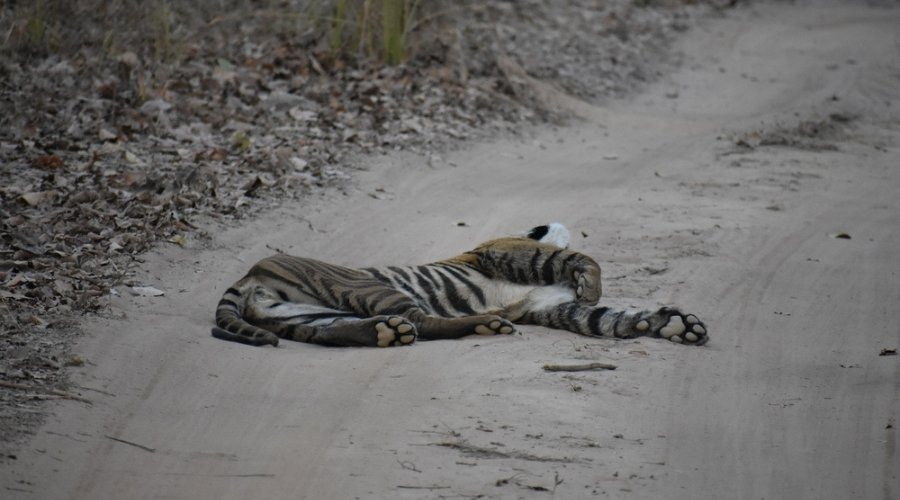
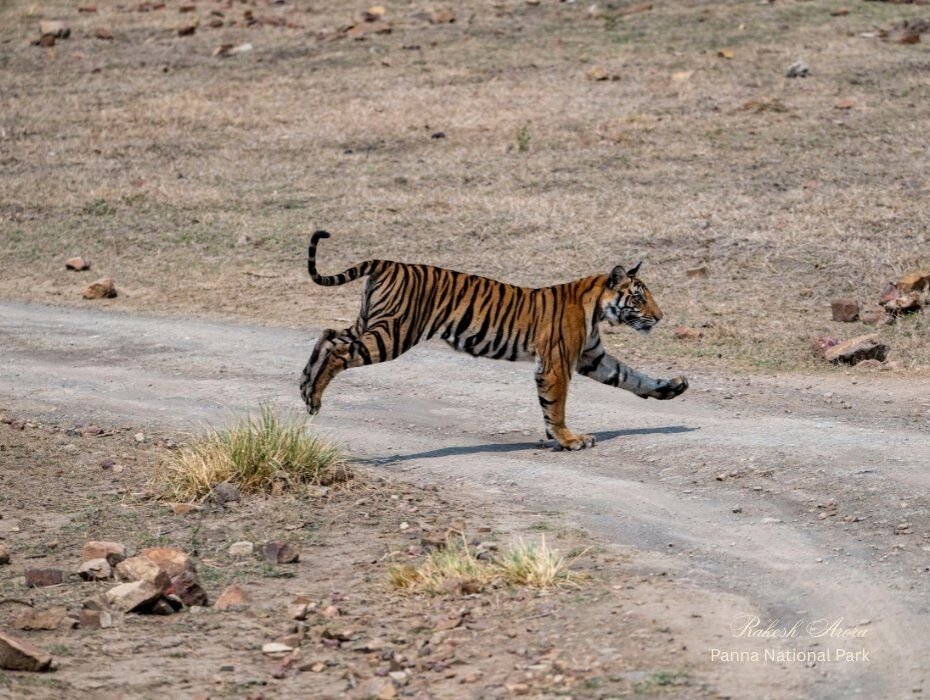
Bandhavgarh National Park commands attention first. This compact 105-square-kilometre reserve boasts India’s highest tiger density—approximately one tiger per 2.5 square kilometres. The broken rocky terrain, punctuated by 10th-century hilltop forts and Vishnu caves, creates dramatic photographic settings. Bandhavgarh’s tigers have adapted to safari vehicles with remarkable tolerance, often crossing tracks mere metres away or lounging beside ancient shrines while langurs alarm-call overhead. For Australians seeking guaranteed encounters and world-class photography opportunities, Bandhavgarh delivers consistently.
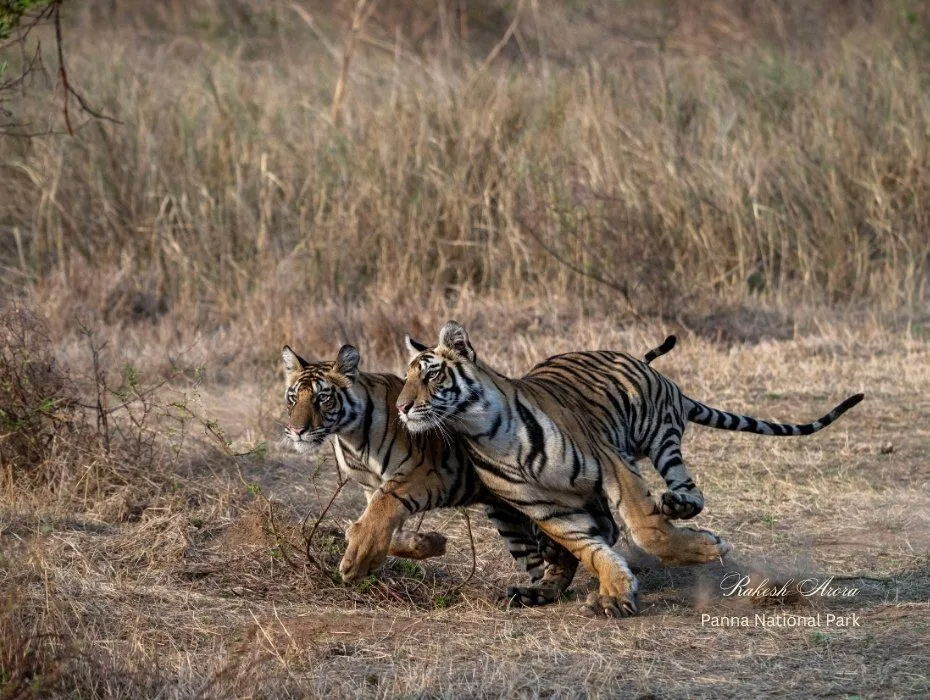
Two hours east lies Kanha National Park—940 square kilometres of sal forests, bamboo groves, and sweeping grasslands that genuinely feel like Kipling country. This is where Project Tiger achieved one of conservation’s great successes: rescuing the barasingha deer from near-extinction to thriving populations exceeding 800 individuals. Kanha’s landscape photography rivals its wildlife—misty dawn meadows, light filtering through sal canopies, stream crossings where spotted deer pause mid-drink sensing nearby predators. The park supports over 100 tigers alongside leopards, wild dogs, sloth bears, and 300 bird species. Luxury lodges here often incorporate farm-to-table dining featuring organic produce and traditional Gond cuisine demonstrations.
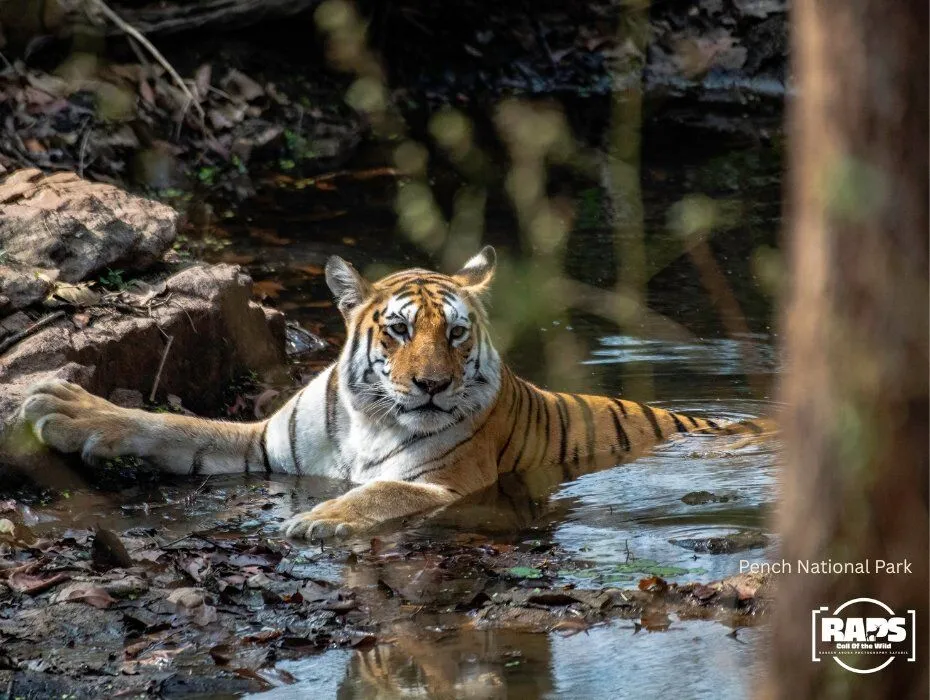
Pench National Park completes the circuit, straddling Madhya Pradesh and Maharashtra across 758 square kilometres. Pench wears its Jungle Book credentials openly—this is supposedly Mowgli’s actual forest, where the Waingunga River cuts through teak and termite mounds rise like natural sculptures. Tiger density proves slightly lower than Bandhavgarh, but leopard sightings compensate magnificently. What distinguishes Pench is accessibility: Nagpur airport sits just 90 kilometres away, making it ideal for travellers arriving from Australia via major Indian hubs.
The finest luxury lodges in Central India operate conservation as business model rather than marketing tagline. Properties fund anti-poaching patrols, employ local communities as naturalists and staff, support education programs in forest-edge villages, and construct waterholes benefiting wildlife beyond safari hours.
Tree canopy walkways at properties like Jamtara in Pench allow wildlife observation without ground disturbance. Photography hides positioned at strategic waterholes enable patient photographers to capture behaviour impossible from moving vehicles. Walking safaris in Satpura introduce guests to forest ecology beyond big cats—medicinal plants the Gond tribes harvest, bird identification by call, tracking techniques reading pug marks and scat.
Evening campfires become naturalist-led discussions about Project Tiger’s successes and challenges, human-wildlife conflict management, camera trap monitoring revealing previously unknown tiger territories. This educational depth transforms passive tourism into informed engagement—exactly what discerning Australian travellers increasingly seek.
To safari Central India purely for tigers would miss the region’s profound cultural richness. The Gond tribe—India’s largest surviving indigenous community—has coexisted with these forests for millennia, developing knowledge systems about flora, fauna, and ecology that modern conservation increasingly recognises as invaluable.
Luxury lodges now incorporate Gond cultural experiences as integral programming. Traditional Gond Thalis—meals served on bamboo trays featuring askodo and kutki millets, tikkad roti cooked between camel foot leaves over open fires, bedra chutney made from forest tomatoes—provide culinary windows into tribal heritage. Gond art workshops demonstrate the intricate dot-and-line patterns depicting nature and mythology that UNESCO recognises as intangible cultural heritage.
Village visits arranged through responsible operators allow respectful engagement with communities where mahua flower fermentation remains traditional practice, where Karma and Reena dances celebrate harvests, where handicraft cooperatives employ women preserving centuries-old techniques. These aren’t performative tourism but authentic cultural exchanges benefiting both visitors seeking depth and communities maintaining traditions while generating sustainable income.
The regional cuisine beyond tribal specialties deserves attention—Madhya Pradesh’s unique preparations like bafla (whole wheat dumplings), poha-jalebi breakfasts, lavang lata pastries, and biryani variants reflecting both vegetarian traditions and forest influences create gastronomic discovery between safaris.
For Australian travellers, accessing Central India’s luxury safari circuit proves remarkably straightforward. International flights arrive Delhi, from where domestic connections serve Jabalpur (for Bandhavgarh and Kanha) or Nagpur (for Pench). Premium operators arrange private ground transfers, often in luxury SUVs with experienced drivers who’ve navigated these routes thousands of times.
The ideal circuit allocates three nights minimum per park—allowing six safaris that account for the reality that wildlife operates on nature’s schedule, not tourism itineraries. October through mid-March delivers comfortable temperatures and excellent sightings as post-monsoon vegetation gradually thins. February through April provides the highest tiger encounter probability as water sources concentrate animals, though temperatures climb toward 40°C.
Luxury lodges cater specifically to solo travellers and women-only groups, recognising that wildlife enthusiasm knows no gender boundaries. Properties provide private naturalists upon request, arrange photography-focused vehicles with modified mounts and knowledgeable guides understanding light and composition, and schedule flexible meal times acknowledging that early morning safaris mean breakfast at 10am feels entirely reasonable.
Budget expectations align with premium African safari pricing—expect ₹35,000 to ₹60,000 per night for top-tier properties including all meals and safari permits. This investment buys not just luxury accommodation but access to expert naturalists, exclusive zones, and properties genuinely committed to conservation funding through tourism revenue.
Ultimately, luxury safaris in Central India deliver transformation rather than mere vacation. You return to Australia with tiger images that would have been impossible a generation ago, when populations numbered in hundreds rather than thousands. You carry memories of Gond elders explaining medicinal plants their grandmothers taught them to identify, of sundowners overlooking valleys where leopards descend at dusk, of dawn mist clearing to reveal a tigress nursing cubs beside ancient Banyan trees.
This is travel that honours both wilderness and the communities protecting it, that recognises luxury isn’t antithetical to conservation but can fund it sustainably, that understands Australian wildlife enthusiasts deserve experiences matching their sophistication and genuine passion.
Kipling gave the world imagined jungles where animals spoke wisdom and nature operated by laws more honourable than human constructs. Central India’s luxury safari circuit offers something more remarkable: real forests where tigers thrive despite human pressures, where indigenous knowledge systems preserve centuries of ecological understanding, and where the line between guest and participant blurs into something approaching genuine connection.
The jungles Mowgli knew have evolved. The question is whether you’re ready to discover what they’ve become.