March 2, 2026
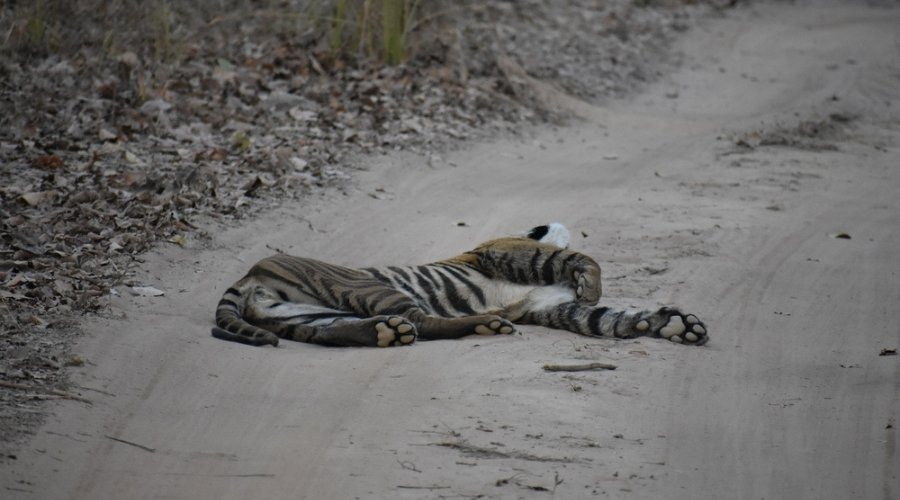
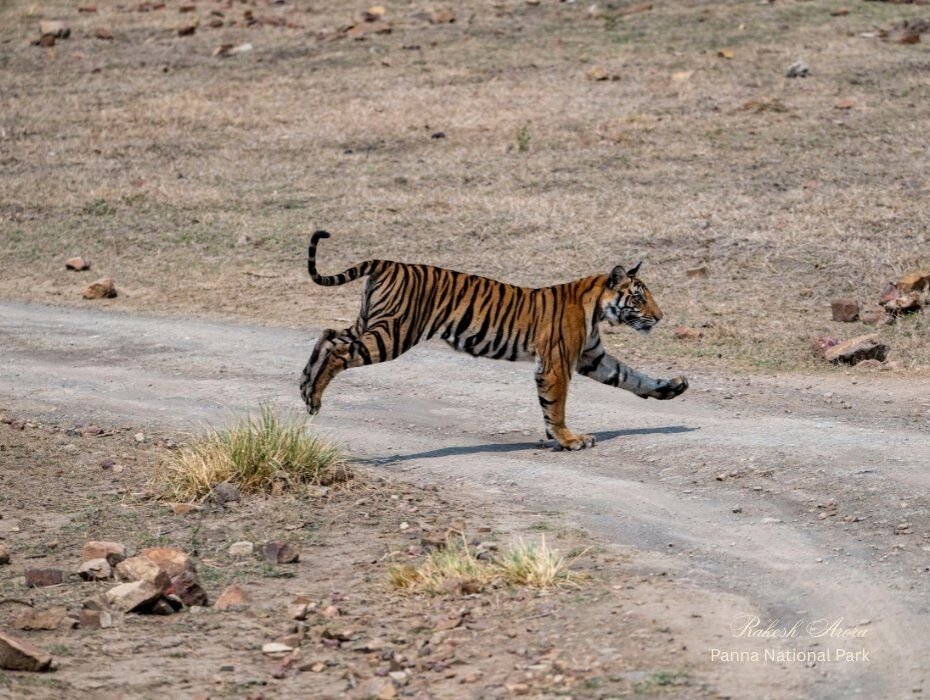
Most Aussie wildlife shooters heading to India make the exact same mistake I used to make. We pack our heavy prime lenses, book our flights to Delhi, and happily join the absolute circus at Bandhavgarh or Ranthambore. We spend days fighting thirty other diesel-belching Gypsies for a momentary, heavily obstructed glimpse of orange and black stripes through thick bamboo. You come home with the same tight crop of a tiger that ten thousand other people posted on Instagram that week. But after years of fighting those crowds, I finally took a detour west to a state most Aussies associate purely with textiles, trade, and vegetarian thalis: Gujarat. What I found out there in the dust completely rewired my approach to Indian wildlife photography.
Let’s get the obvious drawcard out of the way first. Yes, Gir National Park is the absolute last stronghold of the Asiatic lion. They’ve miraculously bounced back from a terrifying bottleneck of just 20 cats in 1913 to over 670 today. But the glossy tourism brochures don’t tell you how radically different shooting here is compared to the African savannah or the rest of India. The Asiatic lion is a slightly different beast—they have a distinctive longitudinal fold of skin along their belly, and the males have shorter manes, which means their ears are visible. But it’s the environment that makes the shots. In Gir, you aren’t shooting through dense, high-contrast jungle canopy that wreaks havoc on your light meter. It’s dry, deciduous scrub that opens up beautifully. Picture catching a male lion backlit by the harsh afternoon sun, strolling past the skeletal stone remains of a 9th-century temple while peacocks scatter in the foreground dust. They possess this incredible, lazy confidence. They’ll casually drink from a forest track puddle in broad daylight while you’re sitting twenty metres away, frantically adjusting your ISO. But the real, unspoken secret of Gir? The leopards. I’ve spent weeks in other Indian parks praying for a fleeting leopard sighting. Gir is hiding over 800 of them. Add in massive mugger crocodiles basking on the riverbanks and sloth bears shuffling through the undergrowth, and you will be swapping out memory cards faster than you anticipate.
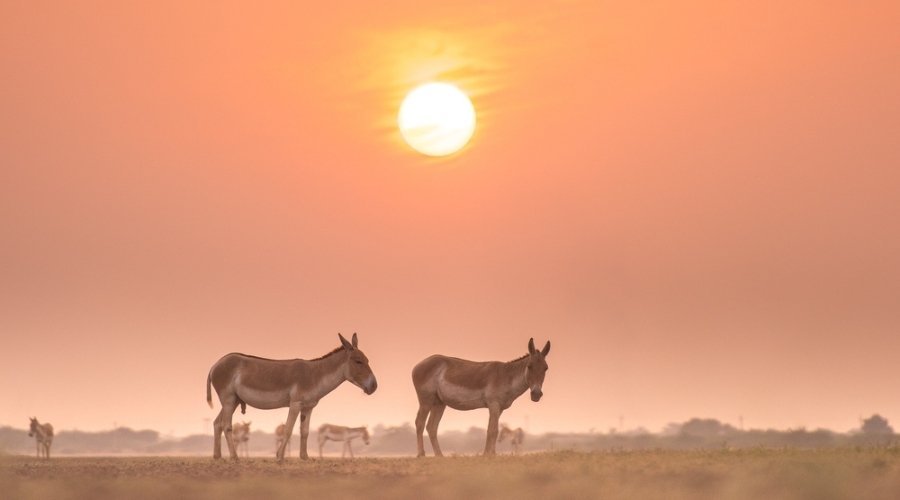
If you want a landscape that will genuinely test your camera sensor’s dynamic range—and your gear’s weather sealing—you need to drive a couple of hours northeast to the Little Rann of Kutch. This place is wild. It is 5,000 square kilometres of seasonally flooded salt desert that bakes into a cracked, desolate crust during the dry season. It feels like shooting on Mars, or maybe Lake Eyre after a decade-long drought. I’m honestly still cleaning fine, corrosive white salt dust out of the focal ring on my 400mm lens, but the gear abuse is worth it to photograph the Indian wild ass. These aren’t just feral donkeys; they are a distinct, highly endangered species standing 120 centimetres at the shoulder with a stunning golden-brown and white coat. Shooting a herd of them galloping against a stark, minimalist salt flat at dawn delivers the kind of clean, negative-space composition that magazine editors absolutely drool over. You’ll also spot desert foxes, Indian wolves, striped hyenas, and if you time your trip for the winter months, massive flocks of flamingos that turn the white salt pans a brilliant pink. It strips your photography back to the absolute bare essentials: subject, raw light, and composition.
The absolute standout for me, however, is Velavadar Blackbuck National Park. At just 36 square kilometres, this tiny patch of golden grassland delivers action photography that rivals the great Mara river crossings. There are over 4,000 blackbucks roaming these plains. Watching the territorial males—with their striking two-tone coats and massive spiralling horns—launch into gravity-defying leaps during a high-speed chase is a technical masterclass in tracking autofocus. Because it’s an open grassland environment, you get those beautifully clean, uncluttered backgrounds we are constantly chasing. But the real adrenaline rush? Indian grey wolves. Velavadar is one of the very few places on earth where you can reliably photograph wolves hunting blackbuck in broad daylight. Watching a predator-prey sequence unfold right in the open, unhindered by thick brush, is something most wildlife photographers wait a lifetime to capture. Throw in striped hyenas emerging from their dens at first light, jungle cats prowling the tall grass, and the world’s largest winter roost of harriers, and you’re shooting non-stop from dawn until the light completely dies.
Why does this specific region matter so much to us? I think it’s because Australians inherently understand harsh, uncompromising landscapes. We know how to shoot in the red dust of the Pilbara, we know the immense value of a fleeting golden hour, and we appreciate that the very best wildlife images rarely come from manicured, easy environments. Gujarat’s open habitats resonate deeply with our outback aesthetic. The light here between October and March has that soft, diffused quality we are constantly chasing back home.
More importantly, Gujarat still feels raw and undiscovered. Tiger tourism has become a highly packaged, predictable product. But out west, the conservation story is still actively unfolding, the landscapes are vast, and the crowds are practically non-existent. While Ranthambore has a convoy of jeeps at every gate, I’ve sat in Velavadar with just two other vehicles in the entire park. The question isn’t whether Gujarat is worth the trip for Australian photographers. It’s how many seasons we have left before the rest of the world figures it out and this beautifully quiet frontier finally gets loud.
Nine days on the Chobe River aboard custom photographic boats — elephant herds by the hundred — finishing at Victoria Falls.
Explore the Chobe Safari