March 1, 2026
There’s a number that changes everything about experiencing India’s wildlife, and it has nothing to do with tiger populations or park ratings. It’s six. Maybe eight. At most, twelve.
That’s the ideal size for a small group tour to India from Australia—small enough that your naturalist guide remembers everyone’s camera preferences, large enough to share the electric moment when a tiger emerges from bamboo thickets and someone whispers “there!” and suddenly six pairs of eyes lock onto something that will rewrite how you understand wildness.
Big bus tours miss this entirely. Private tours can feel isolating. But get the group size right, and India transforms from destination into shared discovery.
Most Australian travellers planning India default to one of two extremes: massive coach tours with 40 strangers stopping at every souvenir shop, or fully private experiences where you’re entirely alone with a driver and guide. Small group tours occupy the sweet spot between them—and for wildlife photography in particular, this matters more than you might expect.
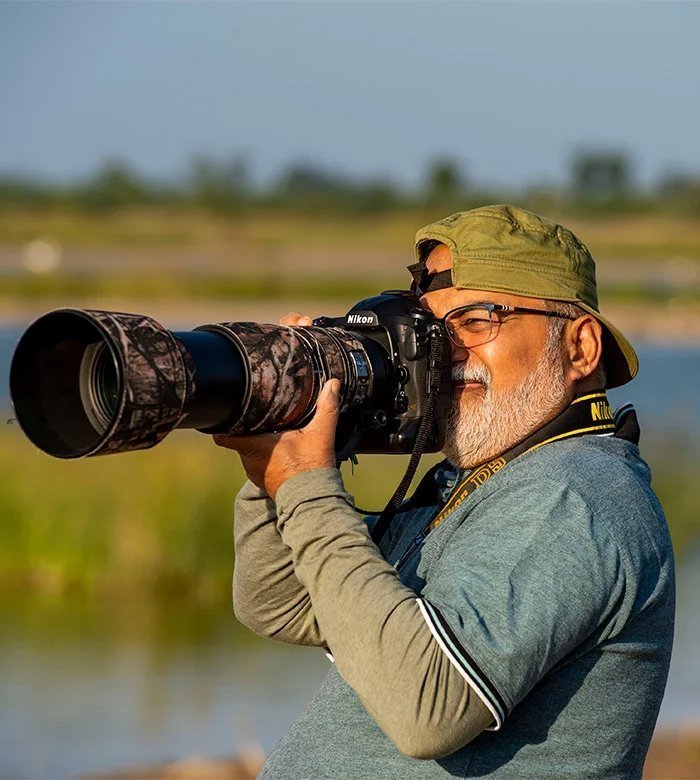
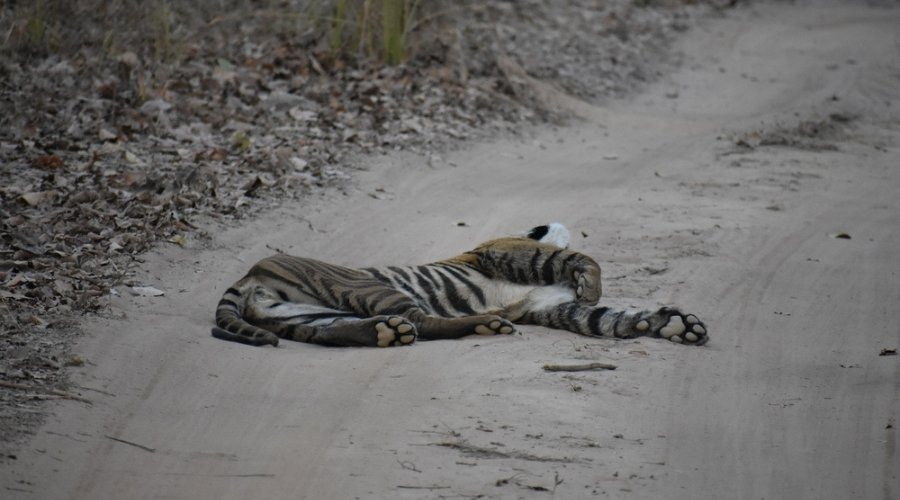
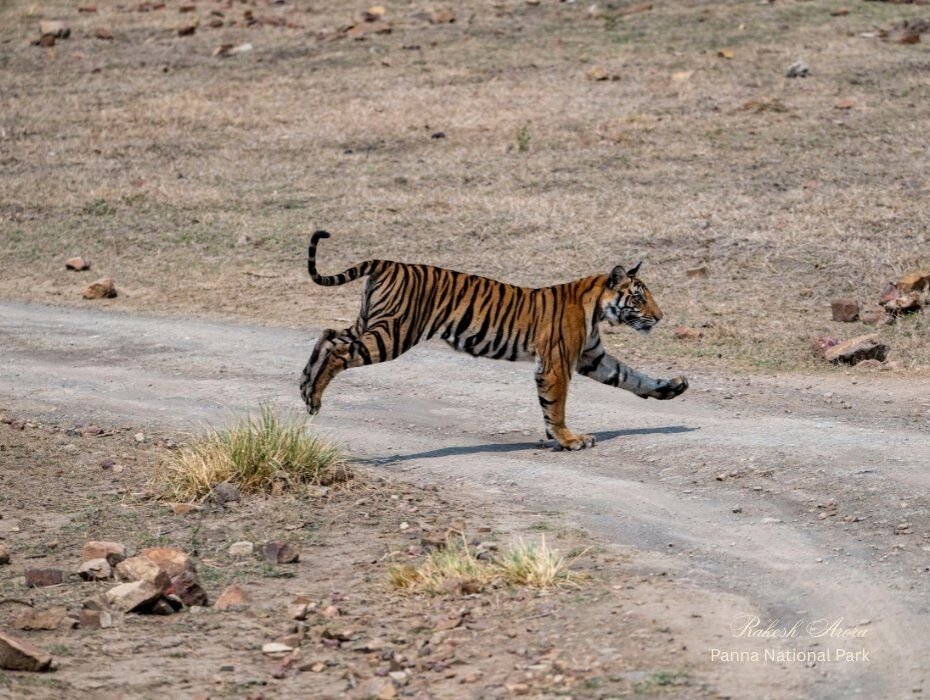
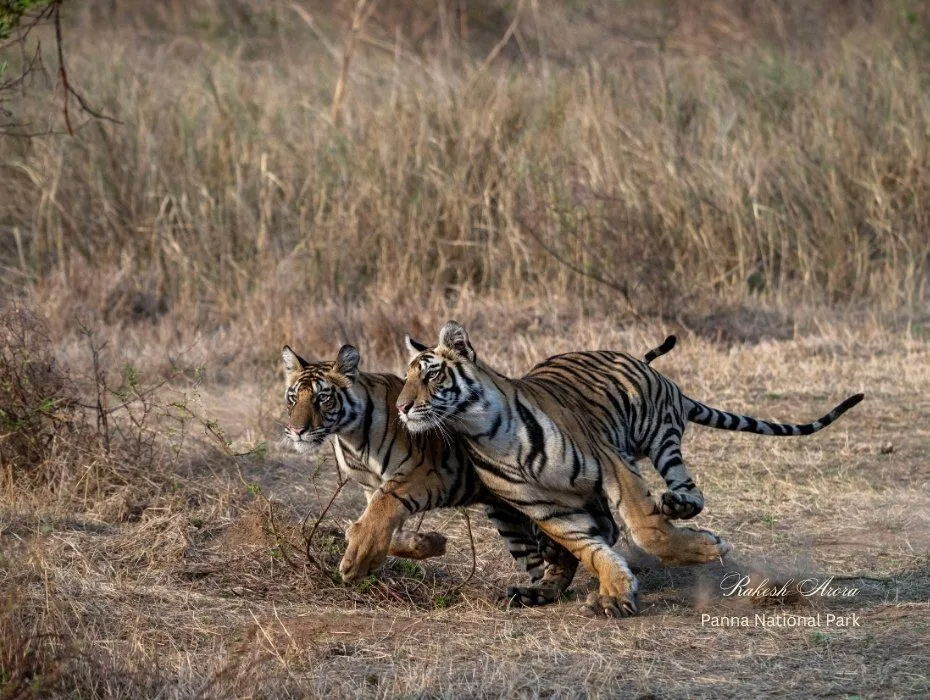
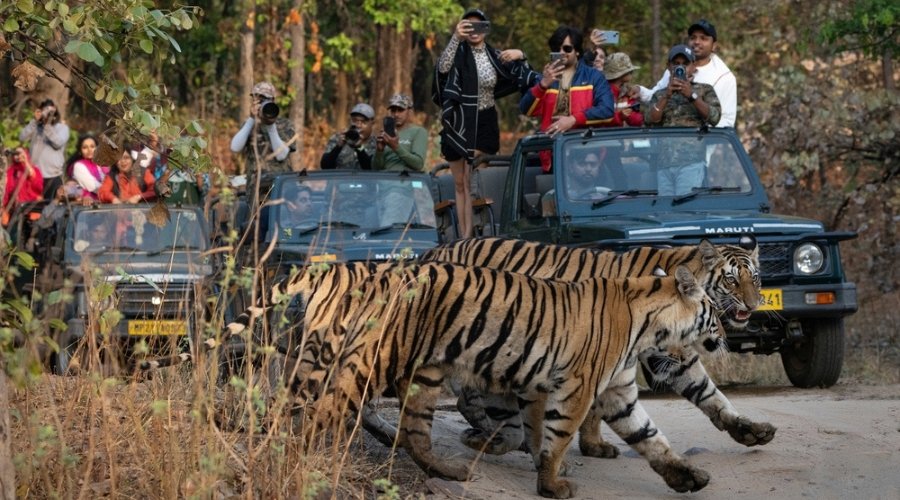
Picture your morning safari vehicle in Bandhavgarh. With 6-8 people, everyone gets a window seat. When the tiger appears, your naturalist can quietly reposition the jeep for better angles without disappointing half the group. Camera settings get shared in whispers. Someone spots the langur alarm call that telegraphs leopard movement three valleys away. The collective observation becomes exponentially sharper than solo awareness.
Contrast this with a 20-person bus rumbling through Ranthambore, where half the group can’t see anything, photography becomes impossible, and the sheer noise scatters wildlife before you’ve lifted your camera. Or the private tour where you’re making all decisions without the collective wisdom of fellow wildlife enthusiasts who’ve just spotted something you missed entirely.
Small groups create that rare combination: intimate enough to feel personal, social enough to generate energy, focused enough to prioritise what matters—the wildlife, the light, the moment.
Planning a small group tour from Australia to India involves decisions that tour brochures gloss over but that fundamentally shape your experience.
Timing Your Departure: Australian spring (September-November) aligns perfectly with India’s park openings after monsoon season. Forests glow green, birds migrate through, and tigers are active but tourists remain relatively sparse. Australian summer (December-March) hits India’s prime wildlife viewing—vegetation thins, water sources concentrate animals, and photography conditions peak. You’re essentially experiencing India’s best season while escaping Australian heat.
Group Composition: The strongest small group tours from Australia attract like-minded travellers—wildlife enthusiasts aged 35-70, often photographers, frequently experienced safari-goers who understand field etiquette. This shared passion creates camaraderie that enhances rather than detracts from the experience. You’re not managing other people’s complaints about early starts or lack of WiFi. Everyone chose this specifically for wildlife.
Expert Leadership: This is where small groups separate dramatically from mass tourism. The best wildlife tours operate with expert naturalists—not generic guides reading scripts, but professionals who’ve spent 15+ years in India’s forests, who know individual tigers by sight, who can interpret a peacock’s alarm call or explain why that particular waterhole will draw leopards at dusk. When you’re paying for expertise, smaller groups mean you actually receive it.
Accommodation Strategy: Small groups unlock boutique lodges and heritage properties that can’t accommodate bus loads. Think family-run safari camps on park boundaries, converted maharaja hunting lodges, eco-resorts where dinner becomes group wildlife debriefs. These properties often provide better access, quieter surroundings, and that premium experience without premium pricing’s full weight split across just two people.
The best small group tours to India share specific characteristics worth noting when you’re comparing options:
They limit to 6-12 participants maximum. Anything beyond twelve starts losing intimacy. They employ dedicated wildlife experts, not generalist tour guides. They allocate 2-3 nights per national park, recognising that single-safari stops guarantee nothing. They schedule two daily safaris (dawn and afternoon) because wildlife doesn’t perform on human schedules. They incorporate down time for processing images, resting, absorbing experiences rather than rushing park-to-park chasing checklists.
Strong tours also build in flexibility. Weather shifts. That leopard everyone tracked yesterday might appear today. The naturalist heard reports of a tiger with cubs in a zone worth exploring. Rigid itineraries miss magic; small groups can pivot.
Booking small group tours from Australia offers unexpected benefits. Australian operators understand our wildlife context—we’re not safari novices arriving starry-eyed, we’re experienced wildlife observers who appreciate ecosystems. We comprehend conservation challenges. We’ve learned patience watching cassowaries or tracking dingoes.
This cultural understanding means Australian-focused small groups attract higher-caliber participants and design itineraries assuming wildlife literacy rather than explaining basic ecology. The conversations around the dinner table reflect deeper engagement.
Direct flights from Sydney and Melbourne to Delhi (13-15 hours) mean group departures can coordinate easily. Time zones align reasonably. Travel insurance through Australian providers covers India comprehensively. The logistics simply work more smoothly.
Ultimately, planning a small group tour to India from Australia comes down to one honest question: Do you want to see tigers, or do you want to experience tiger forests?
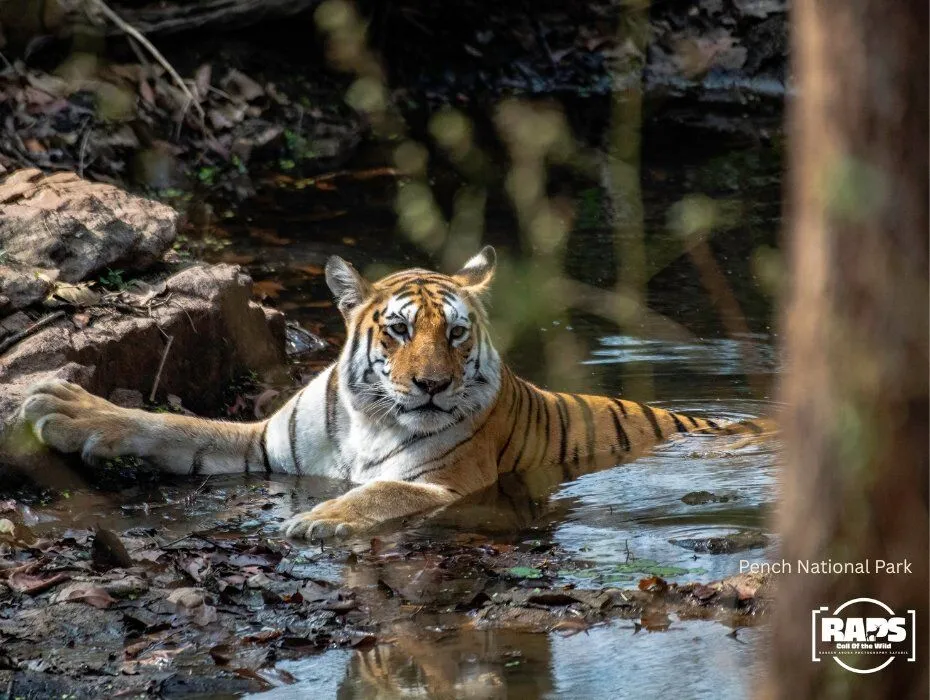
Mass tourism delivers the former—ticking boxes, collecting sightings, moving efficiently through itineraries designed for maximum coverage. Small group wildlife tours deliver the latter—learning to read landscapes, understanding predator-prey dynamics, sitting in silent appreciation as a tigress crosses a forest stream while your fellow travellers hold their breath beside you.
India’s wild spaces deserve more than hurried visits. They deserve immersion, patience, shared wonder, and the focused attention that only small groups truly enable. The tigers will wait. The question is: are you ready to experience them properly?