February 26, 2026
Here’s something most people don’t realise about India’s famous tiger parks: it’s not just the number of tigers that makes them legendary. It’s the stories they tell.
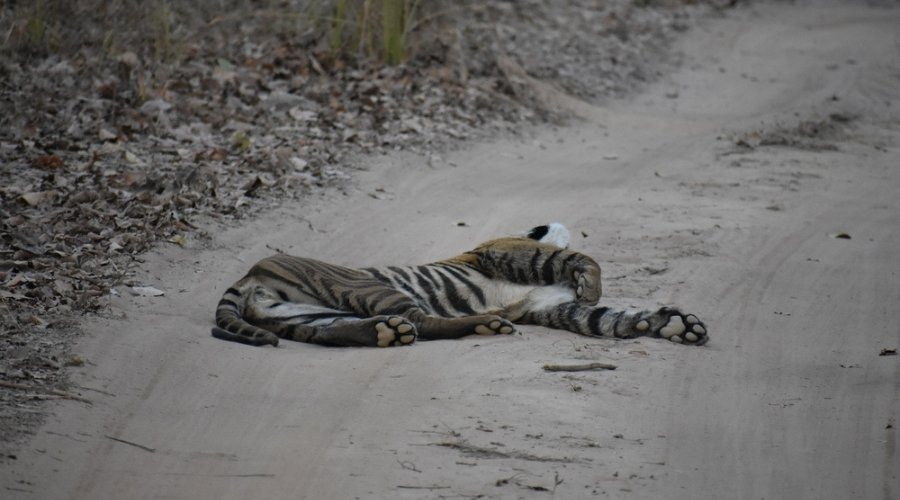
Stand at the edge of Ranthambore at dawn, when the ancient fort catches the first light, and you might witness what countless wildlife photographers wait years to see—a Bengal tiger padding past 10th-century ruins as if time itself bends around her. Or perhaps you’ll find yourself in Bandhavgarh’s sal forests, where the world’s highest density of tigers moves through shadows like liquid amber, visible one moment and vanished the next.
The question isn’t really which park is famous for tigers. The real question is: which kind of tiger encounter are you searching for?
If a single park had to carry the title of India’s most famous tiger reserve, Ranthambore would wear that crown with quiet confidence. Positioned perfectly in Rajasthan’s Golden Triangle, this is where tigers do something extraordinary—they hunt in broad daylight, seemingly unbothered by the click of camera shutters or the collective held breath of safari-goers.
What sets Ranthambore apart isn’t just accessibility from Jaipur or its 69 resident tigers. It’s the theatre of it all. Picture this: a tigress materialises from dry deciduous forest, crosses through the skeletal remains of a hunting pavilion built by maharajas three centuries ago, and settles beside Padam Talao lake as herons scatter in her wake. These cats have personality, history, even names. The legendary Machli, who lived to 19 and famously killed a crocodile twice her size, became the most photographed tiger on Earth.
The landscape itself feels cinematic—sparse vegetation, rust-coloured earth, water holes reflecting the sky. For photographers, this means cleaner backgrounds and that golden-hour magic that makes your images sing. The tigers here move with a peculiar confidence, as if they know they’re the headline act.
While Ranthambore captures headlines, Bandhavgarh whispers a different promise to those who seek deeper immersion. This compact reserve in Madhya Pradesh holds the highest tiger density in India—roughly one tiger per four square kilometres. The mathematics alone make your pulse quicken.
But Bandhavgarh’s reputation among wildlife photographers isn’t built on statistics. It’s built on mornings when mist clings to ancient caves where stone Vishnus recline beside forest trails. It’s built on the moment a tiger melts from bamboo thickets so close you can see individual whiskers catch the light. The sal and mixed forests here create that classic “tiger in the jungle” aesthetic—dappled light, mysterious shadows, and the constant reminder that you’re deep in territory that belongs to something far more powerful than you.
This is where serious tiger watchers come when they want quality over guaranteed quantity. The park opens early November through June, and those willing to explore its less-travelled zones often find themselves alone with royalty.
Ask any safari curator where to experience India’s tiger story in full, and they’ll point you toward Central India’s interconnected reserves—Kanha, Pench, and Tadoba. This is tiger country on a vast scale, where Rudyard Kipling found inspiration for The Jungle Book without ever setting foot in Pench’s forests.
Kanha’s sweeping meadows and misty dawn landscapes feel almost dreamlike. Over 100 Bengal tigers patrol territories that include not just forest but those impossibly green grasslands where barasingha deer—once nearly extinct—now thrive in hundreds. This is conservation success you can photograph, frame, and remember.
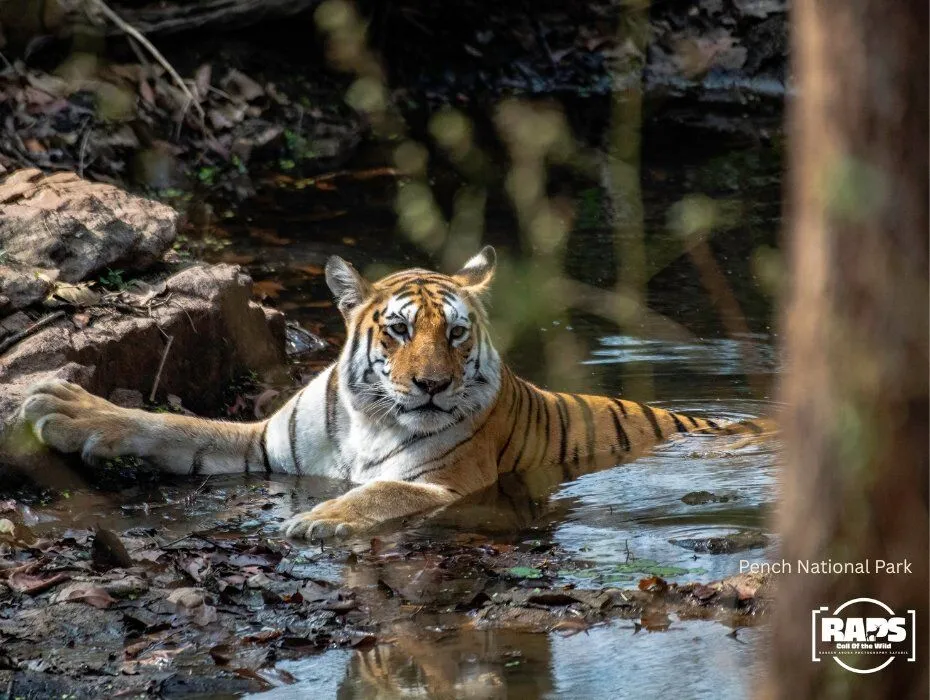
Pench straddles Maharashtra and Madhya Pradesh, offering something increasingly rare: space. The crowds that descend on Ranthambore thin out here. Your safari vehicle might be one of three, not thirty. That solitude changes everything about how you experience wildlife.
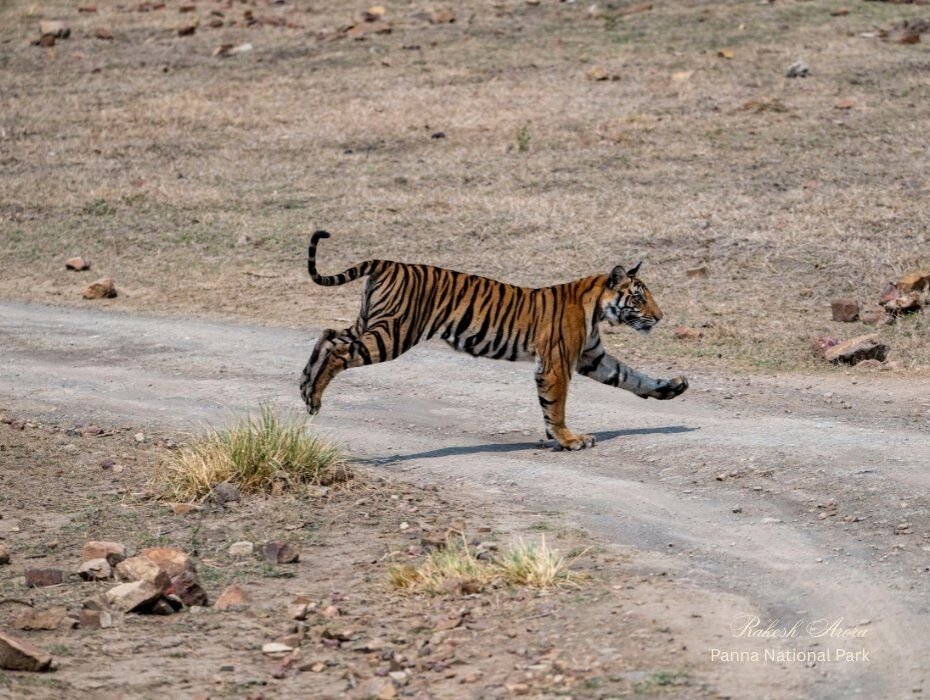
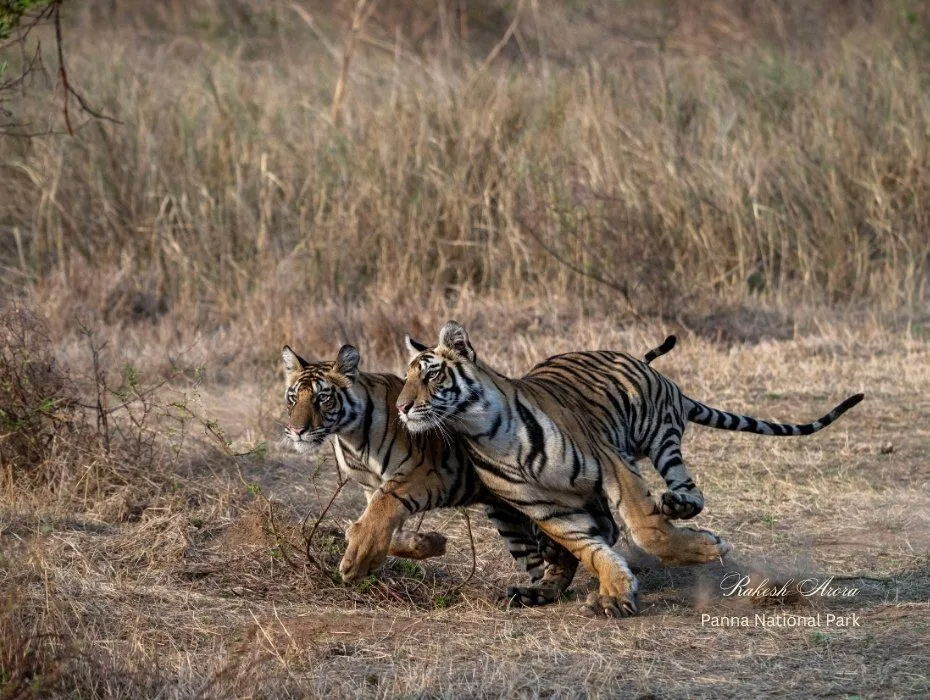
What makes a national park “famous” for tigers isn’t a fixed answer. Jim Corbett boasts the highest absolute numbers—over 250 tigers. Tadoba delivers extraordinarily close encounters in open terrain. Satpura offers walking safaris for the adventurous. Each reserve holds different magic.
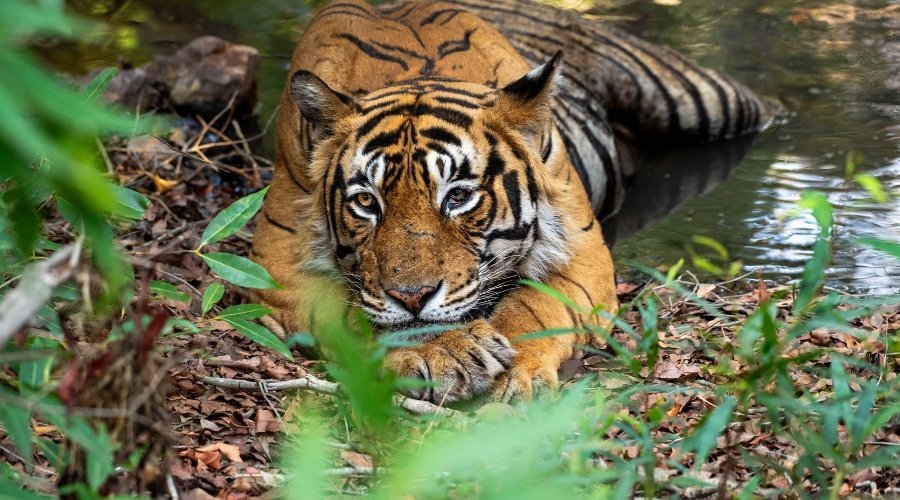
But the parks that capture imagination most powerfully share something beyond tiger populations. They offer transformation. You enter as a tourist hoping to tick a big cat off your list. You leave understanding why India protects these forests with such fierce devotion, why photographers return year after year, why a single amber eye watching you from tall grass can rewrite how you see wildness itself.
For Australians who’ve experienced wildlife across our own continent and perhaps Africa’s savannahs, India’s tiger forests offer something distinct—that blend of accessibility and authentic wildness, of cultural richness woven through every safari, of landscapes that somehow feel both ancient and urgently alive.
Some travellers prefer the structure of expert-led photography safaris where guides who know individual tigers by sight position you not just for sightings, but for those once-in-a-lifetime frames. Others want the freedom to explore zones at their own pace. The beauty of India’s tiger reserves is that both paths lead to encounters you’ll carry home in your bones, not just your camera roll.
The striped shadows of India’s jungles are calling. They’ve been doing so for centuries, long before the first conservation program, before the first photographer raised a lens. Perhaps it’s your turn to answer.