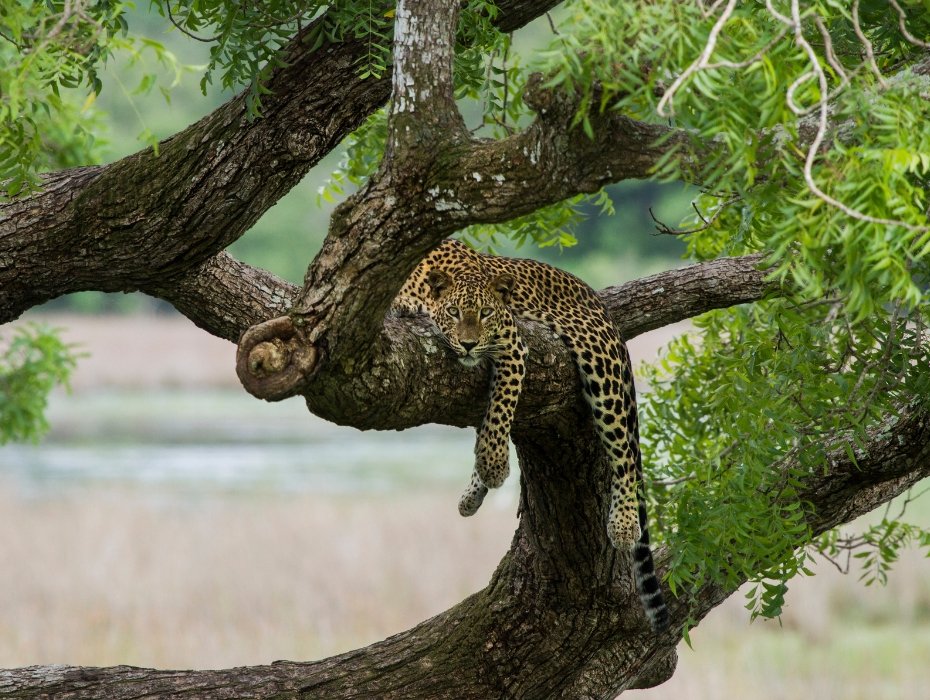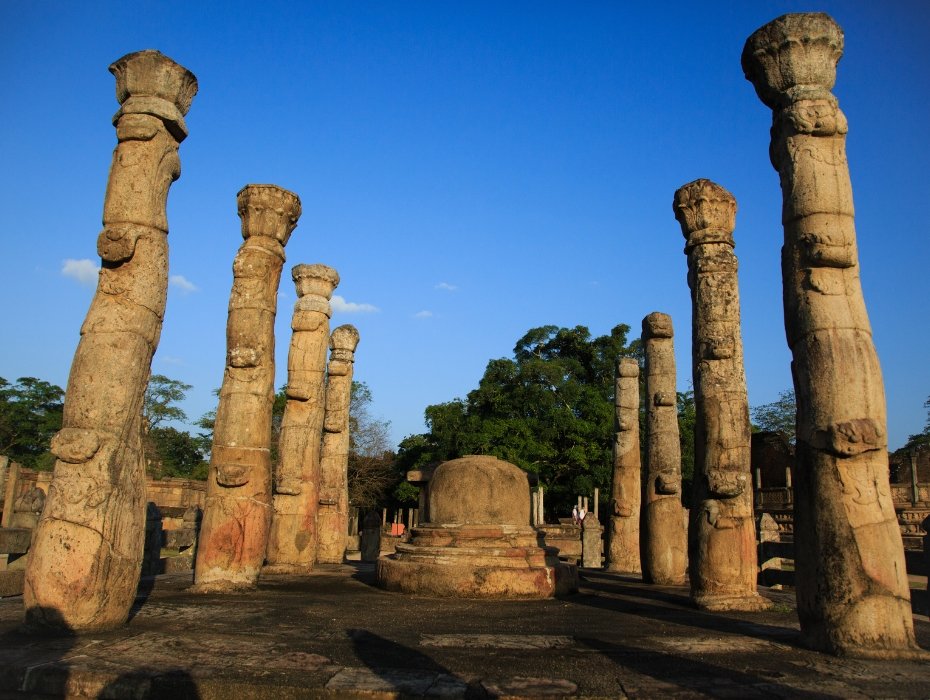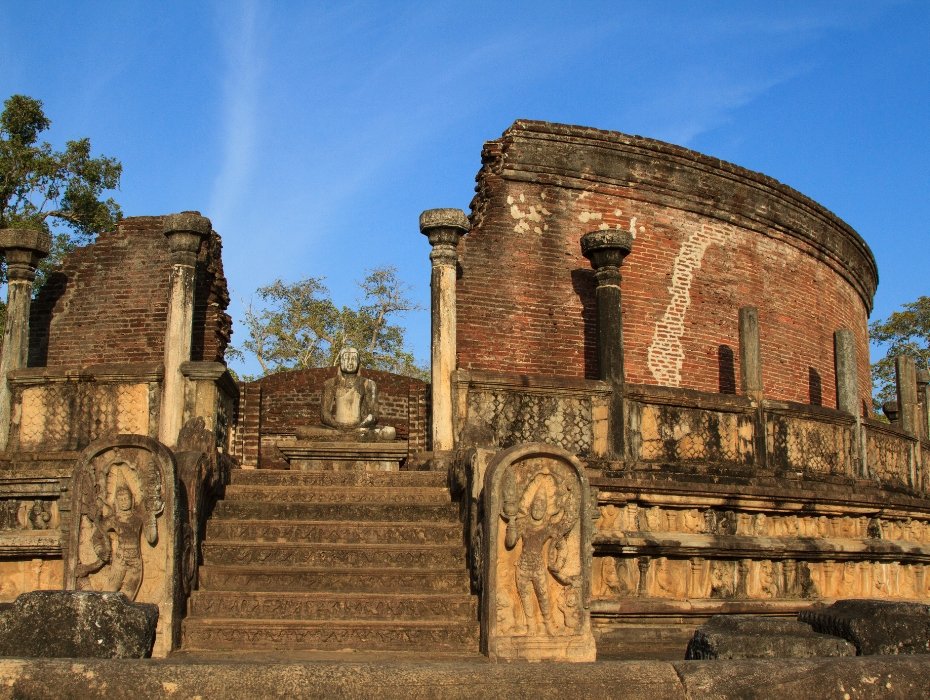
This short but richly varied wildlife journey offers an ideal introduction to Sri Lanka before continuing onward to India. The program begins near Bandaranaike International Airport before moving into the dry-zone wilderness of Wilpattu National Park, one of the island’s finest landscapes for leopard, sloth bear and serious wildlife observation. From there, the journey combines the ancient Buddhist capital of Anuradhapura with elephant viewing in the Habarana region, a night safari for elusive nocturnal mammals, and a specialist primate walk among the ruins of Polonnaruwa. Designed for guests with a strong interest in wildlife, photography and natural history, the itinerary balances big-mammal safaris, birding, cultural context and expert-led interpretation.
Bandaranaike International Airport to Katunayake
Accommodation: Tamarind Tree Garden Resort
Meals: Dinner
Approximate Drive Time:15–20 minutes
Main Focus: Arrival, rest and introduction to Sri Lanka’s wildlife journey
Arrive at Bandaranaike International Airport, where you will be welcomed by your naturalist guide and transferred to Tamarind Tree Garden Resort, a peaceful property located close to the airport. The short transfer allows guests to settle in without a long journey immediately after arrival.
The rest of the day will be at leisure. Depending on arrival time, guests may enjoy a gentle walk around the hotel gardens, which can provide a first introduction to Sri Lanka’s common garden birds and wet-zone edge species. Even close to the airport, Sri Lanka’s birdlife is often immediately visible, with species such as Red-vented Bulbul, White-breasted Waterhen, Asian Koel, Rose-ringed Parakeet, Common Myna, Oriental Magpie-Robin, White-throated Kingfisher and Purple-rumped Sunbird possible around gardens, ponds and open vegetation.
This evening, enjoy dinner at the hotel and prepare for the wildlife journey ahead.
Possible wildlife and birds around Katunayake:
Red-vented Bulbul, White-breasted Waterhen, Asian Koel, Rose-ringed Parakeet, Common Myna, Oriental Magpie-Robin, White-throated Kingfisher, Purple-rumped Sunbird, Spotted Dove, Asian Palm Swift, Indian Pond Heron and Little Egret.
Katunayake to Wilpattu
Accommodation: Thimbiriwewa Resort
Meals: Breakfast, Lunch and Dinner
Approximate Drive Time: 4 hours
Main Focus: First dry-zone safari and introduction to Wilpattu’s villu ecosystem
After breakfast, travel northwest towards Wilpattu National Park, Sri Lanka’s largest national park and one of the island’s most atmospheric wilderness areas. The journey gradually moves from the coastal lowlands into the drier landscapes of the north-west, where scrub forest, tanks, village-edge habitats and open dry-zone country begin to dominate the scenery.
Wilpattu is famous for its forested tracks, sandy roads, open glades and natural rain-fed lakes known as villus. These villus are the heart of the park’s ecology, attracting deer, wild boar, waterbirds, crocodiles and, in turn, predators such as leopard. Unlike more open safari landscapes, Wilpattu often demands patience and fieldcraft. Sightings may unfold slowly, with tracks, alarm calls, fresh scat, scrape marks and prey behaviour helping the naturalist interpret what has moved through the landscape.
Upon arrival, enjoy lunch at the lodge before heading out on your first afternoon game drive. This first safari will focus on becoming familiar with Wilpattu’s habitats and wildlife rhythm. Possible mammals include Sri Lankan Leopard, Sloth Bear, Asian Elephant, Spotted Deer, Sambar, Wild Boar, Golden Jackal, Ruddy Mongoose, Grey Mongoose, Toque Macaque and Tufted Grey Langur. Around the villus, Mugger Crocodile, Water Monitor, Indian Flapshell Turtle and a variety of waterbirds may be encountered.
Birdlife in Wilpattu is rich and varied, particularly for dry-zone forest species, raptors and wetland birds. Possible species include Sri Lanka Junglefowl, Indian Peafowl, Malabar Pied Hornbill, Sri Lanka Grey Hornbill, Brown-headed Barbet, Coppersmith Barbet, Lesser Yellownape, Black-rumped Flameback, Indian Roller, Green Bee-eater, Blue-tailed Bee-eater, White-throated Kingfisher, Stork-billed Kingfisher, Crested Serpent Eagle, Changeable Hawk-Eagle, White-bellied Sea Eagle, Grey-headed Fish Eagle, Brahminy Kite, Painted Stork, Asian Openbill, Woolly-necked Stork, Great Egret, Little Egret and Indian Pond Heron.
Return to Thimbiriwewa Resort for dinner and overnight stay.
Key species to look for in Wilpattu:
Sri Lankan Leopard, Sloth Bear, Asian Elephant, Spotted Deer, Sambar, Wild Boar, Golden Jackal, Ruddy Mongoose, Grey Mongoose, Toque Macaque, Tufted Grey Langur, Mugger Crocodile, Water Monitor, Sri Lanka Junglefowl, Indian Peafowl, Malabar Pied Hornbill, Sri Lanka Grey Hornbill, Crested Serpent Eagle, Changeable Hawk-Eagle, White-bellied Sea Eagle, Grey-headed Fish Eagle, Painted Stork, Asian Openbill, Green Bee-eater, Blue-tailed Bee-eater and Stork-billed Kingfisher.
Leopard Country, Villus and Dry-Zone Forest
Accommodation: Thimbiriwewa Resort
Meals: Breakfast, Lunch and Dinner
Drive Time: Lodge to park entrance approx. 20–30 minutes each way
Safari Time: Approx. 6.00 AM to 6.00 PM
Main Focus: Leopard tracking, sloth bear, villu habitats and dry-zone mammals
Begin before dawn and enter Wilpattu National Park as the gates open. Breakfast and lunch will be taken inside the park, allowing you to remain in the wilderness throughout the day and make the most of the changing light, temperature and animal movement.
The early morning hours are especially important for tracking leopard. Wilpattu’s leopards often move along sandy tracks, forest edges and villu margins during the cooler parts of the day. Your naturalist will search for fresh pugmarks, alarm calls from deer and langurs, scent-marking areas and recent field signs. Leopard sightings in Wilpattu can be deeply rewarding because of the park’s wild forest atmosphere and the natural behaviour often observed when vehicles are limited.
Sloth Bear is another major target. Sightings are unpredictable, but Wilpattu is one of the best parks in Sri Lanka for this remarkable species. Bears may be seen walking along tracks, feeding near termite mounds, turning over logs or searching for fruit depending on seasonal availability. Their behaviour can vary greatly with food conditions, time of day and disturbance levels.
The full-day format also allows time around the villus, where animals come to drink and feed. Spotted Deer, Sambar, Wild Boar, Mugger Crocodile, waterbirds and raptors are often seen near these open areas. Asian Elephants may be encountered moving quietly through forest, near water, or feeding in open glades.
Birding will continue throughout the day. Raptors such as Crested Serpent Eagle, Changeable Hawk-Eagle, White-bellied Sea Eagle, Grey-headed Fish Eagle and Brahminy Kite may be observed soaring, hunting or perched near water. Forest birds may include Ceylon Woodshrike, White-rumped Shama, Tickell’s Blue Flycatcher, Indian Paradise Flycatcher, Black-headed Cuckooshrike, Jerdon’s Leafbird, Brown-capped Babbler, Orange-breasted Green Pigeon and Green Imperial Pigeon.
Return to the lodge in the evening for dinner and overnight stay.
Possible mammals:
Sri Lankan Leopard, Sloth Bear, Asian Elephant, Spotted Deer, Sambar, Wild Boar, Golden Jackal, Ruddy Mongoose, Grey Mongoose, Stripe-necked Mongoose, Toque Macaque, Tufted Grey Langur, Indian Hare and Indian Crested Porcupine.
Possible birds:
Sri Lanka Junglefowl, Indian Peafowl, Malabar Pied Hornbill, Sri Lanka Grey Hornbill, Brown-headed Barbet, Coppersmith Barbet, Lesser Yellownape, Black-rumped Flameback, Ceylon Woodshrike, White-rumped Shama, Tickell’s Blue Flycatcher, Indian Paradise Flycatcher, Jerdon’s Leafbird, Crested Serpent Eagle, Changeable Hawk-Eagle, White-bellied Sea Eagle, Grey-headed Fish Eagle, Painted Stork, Asian Openbill, Woolly-necked Stork, Stork-billed Kingfisher and White-throated Kingfisher.
Sloth Bear, Tracks, Forest Edges and Waterholes
Accommodation: Thimbiriwewa Resort
Meals: Breakfast, Lunch and Dinner
Drive Time: Lodge to park entrance approx. 20–30 minutes each way
Safari Time: Approx. 6.00 AM to 6.00 PM
Main Focus: Extended wildlife observation, bear habitat, elephants, raptors and reptiles
A second full day in Wilpattu allows the safari team to build on the previous day’s field knowledge. Areas where fresh leopard tracks, bear signs, prey movement or productive villus were noted can be revisited at different times of day.
Wilpattu rewards patience. A quiet forest track may suddenly reveal a leopard crossing, a sloth bear emerging from scrub, or a herd of deer reacting to a predator hidden from view. The rhythm of the day will be shaped by field conditions rather than a fixed route, allowing the naturalist to respond to sightings, tracks, animal calls and weather.
This day will also focus on smaller details often missed during shorter safaris. Reptiles such as Mugger Crocodile, Water Monitor, Land Monitor, Garden Lizard, Rat Snake and occasionally cobra or viper species may be encountered. All snake observations will be conducted safely and without disturbance. Butterflies, dragonflies, termite activity, animal tracks and feeding signs also add depth to the wilderness experience.
Around the villus and tanks, waterbirds may include Painted Stork, Asian Openbill, Woolly-necked Stork, Spot-billed Pelican, Grey Heron, Purple Heron, Great Egret, Intermediate Egret, Little Egret, Indian Pond Heron, Black-crowned Night Heron, Lesser Whistling Duck, Pheasant-tailed Jacana and Bronze-winged Jacana. These wetlands also attract raptors and crocodiles, creating excellent opportunities for behavioural observation and photography.
Return to Thimbiriwewa Resort in the evening.
Wildlife possibilities today:
Sri Lankan Leopard, Sloth Bear, Asian Elephant, Sambar, Spotted Deer, Wild Boar, Golden Jackal, Ruddy Mongoose, Grey Mongoose, Mugger Crocodile, Water Monitor, Land Monitor, Star Tortoise, Indian Flapshell Turtle, Painted Stork, Spot-billed Pelican, Pheasant-tailed Jacana, Bronze-winged Jacana, Crested Serpent Eagle, Changeable Hawk-Eagle and Brahminy Kite.
Final Day in Sri Lanka’s Largest National Park
Accommodation: Thimbiriwewa Resort
Meals: Breakfast, Lunch and Dinner
Drive Time: Lodge to park entrance approx. 20–30 minutes each way
Safari Time: Approx. 6.00 AM to 6.00 PM
Main Focus: Final opportunities for leopard, sloth bear, elephants, photography and behaviour
Your third full day inside Wilpattu gives the best chance to understand the park’s ecology and increase opportunities for meaningful sightings. By now, the safari team will have a better sense of which areas are active, where predators have moved, and which villus are most productive.
The day will continue with a strong focus on Sri Lankan Leopard and Sloth Bear, but the experience will not be limited to target species alone. Wilpattu’s strength lies in the way its forest, water, mammals, birds and reptiles come together as a complete dry-zone wilderness. Guests may observe deer feeding quietly near villus, langurs giving alarm calls from the canopy, raptors scanning from dead trees, crocodiles basking at water edges and bee-eaters hawking insects from exposed perches.
For photographers, this final full day allows time to work with light, patience and positioning. Morning and late afternoon conditions are often best for mammals and warm-toned landscape images, while midday may be useful for birds, reptiles and slower natural history observations.
Return to the lodge after the safari for dinner and overnight stay.
Key targets for the final Wilpattu safari:
Sri Lankan Leopard, Sloth Bear, Asian Elephant, Spotted Deer, Sambar, Wild Boar, Golden Jackal, Mugger Crocodile, Water Monitor, Sri Lanka Junglefowl, Indian Peafowl, Malabar Pied Hornbill, Sri Lanka Grey Hornbill, Painted Stork, Asian Openbill, Grey-headed Fish Eagle, White-bellied Sea Eagle, Crested Serpent Eagle, Changeable Hawk-Eagle, Indian Roller, Green Bee-eater, Blue-tailed Bee-eater and Ceylon Woodshrike.
Wilpattu to Habarana via Anuradhapura
Accommodation: Cinnamon Lodge Habarana
Meals: Breakfast, Lunch and Dinner
Approximate Drive Time: Wilpattu to Anuradhapura approx. 1.5–2 hours | Anuradhapura to Habarana approx. 1.5 hours
Main Focus: Ancient civilisation, elephant safari and nocturnal wildlife
After breakfast, travel to Anuradhapura, Sri Lanka’s first great capital and one of Asia’s oldest sacred cities. Explore its monumental stupas, ancient monastic complexes, the sacred Bodhi tree, stone carvings and historic reservoirs, gaining insight into the island’s early Buddhist civilisation and hydraulic ingenuity.
Anuradhapura is not only a cultural site, but also a living landscape where wildlife continues to exist among ruins, tanks and old trees. Toque Macaque and Tufted Grey Langur are often seen around the ancient city, while birds such as Indian Roller, Rose-ringed Parakeet, Alexandrine Parakeet, Coppersmith Barbet, Brown-headed Barbet, White-throated Kingfisher, Brahminy Kite, Black-headed Ibis, egrets and herons may be encountered around the reservoirs and wooded areas.
After the visit, continue to Habarana and check in at Cinnamon Lodge. In the afternoon, enjoy an elephant safari in either Minneriya or Kaudulla National Park, depending on current elephant movement. The wider Minneriya, Kaudulla and Hurulu region is one of Sri Lanka’s finest elephant landscapes, with herds moving seasonally between forest cover, grasslands and reservoir edges.
The safari will focus not only on seeing elephants, but also on understanding behaviour. Guests may observe feeding, dust bathing, drinking, calf interactions, matriarchal herd structure, young males testing strength, ear and trunk communication, and the way elephants respond to each other across open spaces. Other possible mammals include Spotted Deer, Sambar, Wild Boar, Toque Macaque, Tufted Grey Langur, Golden Jackal and Ruddy Mongoose.
Birdlife in this region may include Sri Lanka Junglefowl, Indian Peafowl, Crested Serpent Eagle, Changeable Hawk-Eagle, Grey-headed Fish Eagle, White-bellied Sea Eagle, Malabar Pied Hornbill, Sri Lanka Grey Hornbill, Indian Roller, Green Bee-eater, Blue-tailed Bee-eater, White-throated Kingfisher, Stork-billed Kingfisher, Brown-headed Barbet, Coppersmith Barbet, Lesser Yellownape, Black-rumped Flameback, Ceylon Woodshrike, Common Iora and Jerdon’s Leafbird.
After dinner, head out on a special night safari around Habarana in search of nocturnal wildlife. Possible sightings may include Fishing Cat, Jungle Cat, Grey Slender Loris, Ring-tailed Civet, Small Indian Civet, Common Palm Civet, Eurasian Otter, Indian Crested Porcupine, Mouse Deer, Golden Jackal, Brown Fish Owl, Brown Wood Owl, Brown Hawk-Owl, Indian Scops Owl, Spot-bellied Eagle-Owl, Indian Nightjar and Jerdon’s Nightjar.
The night safari will be conducted responsibly, with careful use of light, minimum disturbance and strict guidance from the naturalist.
Key species around Habarana, Minneriya and Kaudulla:
Asian Elephant, Spotted Deer, Sambar, Wild Boar, Golden Jackal, Toque Macaque, Tufted Grey Langur, Ruddy Mongoose, Fishing Cat, Jungle Cat, Grey Slender Loris, civets, Eurasian Otter, Indian Crested Porcupine, Brown Fish Owl, Brown Wood Owl, Brown Hawk-Owl, Indian Scops Owl, Spot-bellied Eagle-Owl, Sri Lanka Junglefowl, Indian Peafowl, Malabar Pied Hornbill, Sri Lanka Grey Hornbill, Crested Serpent Eagle, Changeable Hawk-Eagle and Grey-headed Fish Eagle.
Habarana to Polonnaruwa to Katunayake
Accommodation: Tamarind Tree Garden Resort
Meals: Breakfast, Lunch and Dinner
Approximate Drive Time: Habarana to Polonnaruwa approx. 1 hour | Polonnaruwa to Katunayake approx. 4.5–5 hours
Main Focus: Primate behaviour, ancient ruins, village lunch and return near airport
After an early breakfast and checkout, travel to the UNESCO World Heritage city of Polonnaruwa. Here, enjoy a guided walk with a local primate researcher, learning about the three species of monkeys found among the ancient ruins: Toque Macaque, Tufted Grey Langur and Purple-faced Leaf Monkey.
This experience combines wildlife, history and living research. Polonnaruwa offers one of the finest settings in Sri Lanka to observe primates in a human-modified but deeply historic landscape. The ancient city’s ruins, mature trees, water bodies and surrounding forest patches create a mosaic of habitats used by different primate species in different ways.
The Toque Macaque is one of Sri Lanka’s best-known endemic mammals and is often seen in social troops around the ruins. Guests may observe grooming, play, dominance behaviour, feeding, mother-infant interactions and territorial movement. Tufted Grey Langurs are generally more arboreal and leaf-eating, often seen in the taller trees or moving gracefully through the canopy. The Purple-faced Leaf Monkey, another Sri Lankan endemic, may also be encountered in wooded areas, though sightings depend on local movement and conditions.
Alongside the primate walk, you will gain an introduction to Polonnaruwa’s archaeological importance as Sri Lanka’s great medieval capital. The experience provides a rare opportunity to view wildlife not as separate from history, but as part of a living ancient landscape.
Birds around Polonnaruwa may include Sri Lanka Grey Hornbill, Malabar Pied Hornbill, Alexandrine Parakeet, Rose-ringed Parakeet, Indian Roller, White-throated Kingfisher, Stork-billed Kingfisher, Coppersmith Barbet, Brown-headed Barbet, Black-rumped Flameback, Lesser Yellownape, White-bellied Sea Eagle, Grey-headed Fish Eagle, Brahminy Kite, Openbill, egrets, herons and bee-eaters. Around the tanks and water bodies, there may also be chances of Water Monitor, Mugger Crocodile and freshwater turtles.
Following the walk, enjoy a traditional village-style lunch at Priyamali Gedara, where over 32 regional specialities are served as part of a generous Sri Lankan lunch feast. This is one of the finest ways to experience the diversity of Sri Lankan village cuisine, with rice, curries, sambols, greens, pulses, vegetables and regional preparations served in abundance.
After lunch, continue your journey back towards Katunayake and check in once again at Tamarind Tree Garden Resort, conveniently located near the airport. Dinner and overnight stay will be at the hotel.
Key species around Polonnaruwa:
Toque Macaque, Tufted Grey Langur, Purple-faced Leaf Monkey, Water Monitor, Mugger Crocodile, Sri Lanka Grey Hornbill, Malabar Pied Hornbill, Rose-ringed Parakeet, Alexandrine Parakeet, Indian Roller, White-throated Kingfisher, Stork-billed Kingfisher, Coppersmith Barbet, Brown-headed Barbet, Black-rumped Flameback, Lesser Yellownape, Brahminy Kite, White-bellied Sea Eagle, Grey-headed Fish Eagle, Asian Openbill, egrets and herons.
After breakfast and checkout, transfer to Bandaranaike International Airport for your onward flight to India, where the next chapter of your wildlife adventure begins.
This marks the end of the Sri Lanka section of the journey.
TEMPLE TIGER TRAIL – Safaris (7N/8D)
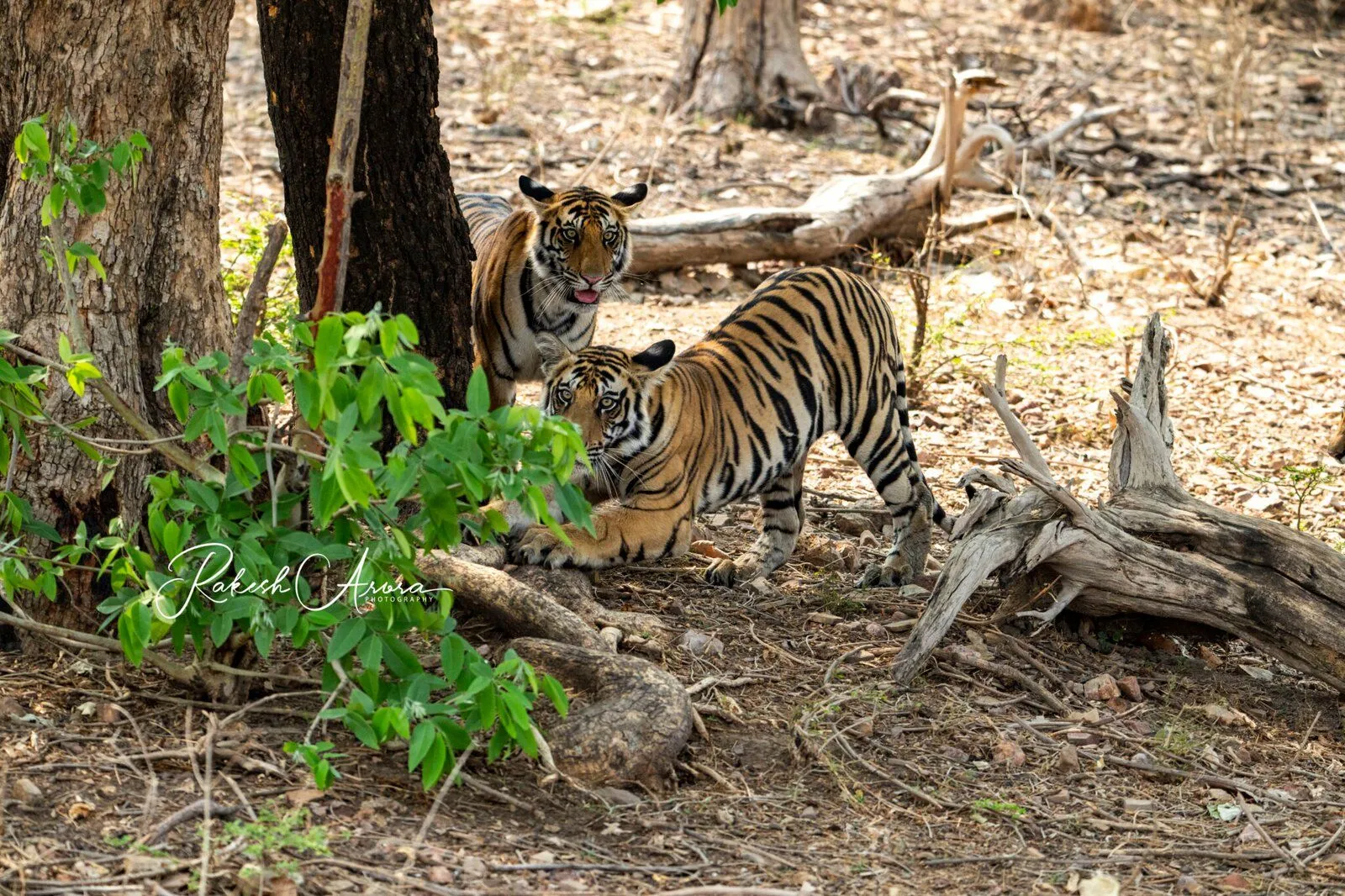
(Delhi – Gwalior – (Panna, Bandhavgarh) – Jabalpur – Delhi)
1 Night – Delhi -AERO CITY (Arrival)
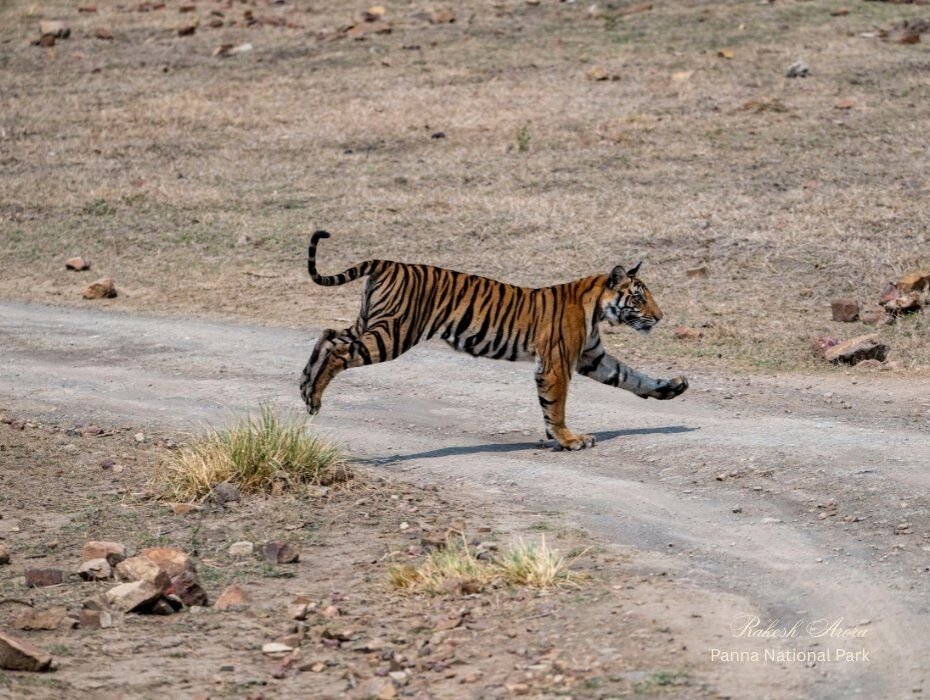
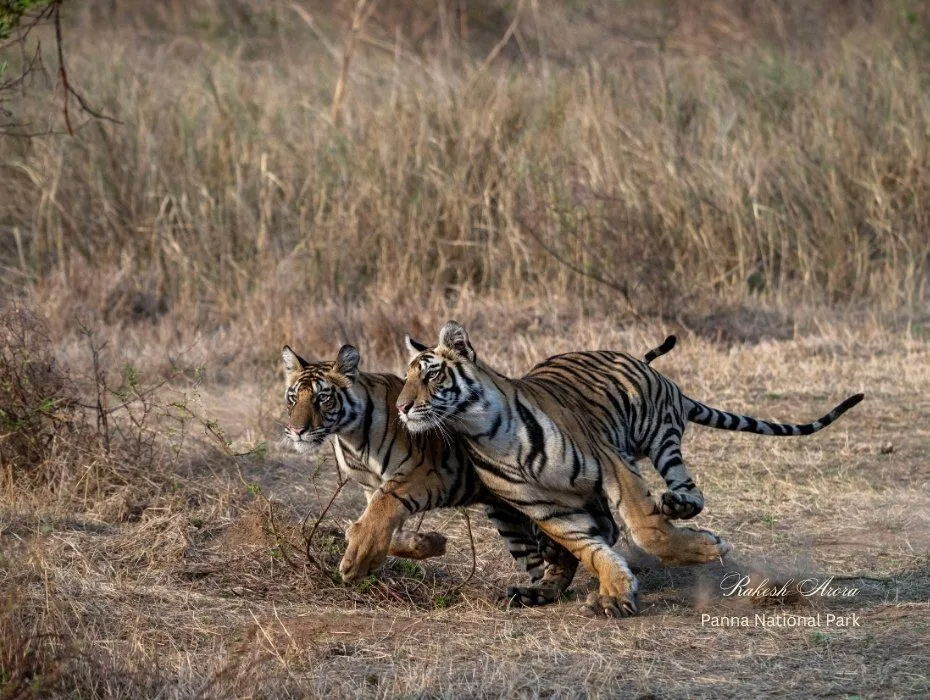
2 Night – Panna – Khajurao Visit
3 Night – Bandhavgarh
1 Night – Delhi – AEROCITY (Arrival)
Panna – 3 Safaris
Bandhavgarh – 5 Safaris
Wilpattu National Park
Sri Lankan Leopard, Sloth Bear, Asian Elephant, Spotted Deer, Sambar, Wild Boar, Golden Jackal, Ruddy Mongoose, Grey Mongoose, Stripe-necked Mongoose, Toque Macaque, Tufted Grey Langur, Mugger Crocodile, Water Monitor, Land Monitor, Star Tortoise, Sri Lanka Junglefowl, Indian Peafowl, Malabar Pied Hornbill, Sri Lanka Grey Hornbill, Painted Stork, Asian Openbill, Woolly-necked Stork, Grey-headed Fish Eagle, White-bellied Sea Eagle, Crested Serpent Eagle, Changeable Hawk-Eagle, Green Bee-eater, Blue-tailed Bee-eater and Stork-billed Kingfisher.
Anuradhapura
Toque Macaque, Tufted Grey Langur, Indian Roller, Rose-ringed Parakeet, Alexandrine Parakeet, Coppersmith Barbet, Brown-headed Barbet, White-throated Kingfisher, Brahminy Kite, Black-headed Ibis, egrets, herons and waterbirds around ancient tanks.
Habarana / Minneriya / Kaudulla
Asian Elephant, Spotted Deer, Sambar, Wild Boar, Golden Jackal, Toque Macaque, Tufted Grey Langur, Ruddy Mongoose, Crested Serpent Eagle, Changeable Hawk-Eagle, Grey-headed Fish Eagle, White-bellied Sea Eagle, Malabar Pied Hornbill, Sri Lanka Grey Hornbill, Sri Lanka Junglefowl, Indian Peafowl, Indian Roller, bee-eaters, kingfishers and barbets.
Habarana Night Safari
Fishing Cat, Jungle Cat, Grey Slender Loris, Ring-tailed Civet, Small Indian Civet, Common Palm Civet, Eurasian Otter, Indian Crested Porcupine, Mouse Deer, Golden Jackal, Brown Fish Owl, Brown Wood Owl, Brown Hawk-Owl, Indian Scops Owl, Spot-bellied Eagle-Owl, Indian Nightjar and Jerdon’s Nightjar.
Polonnaruwa
Toque Macaque, Tufted Grey Langur, Purple-faced Leaf Monkey, Water Monitor, Mugger Crocodile, Sri Lanka Grey Hornbill, Malabar Pied Hornbill, Rose-ringed Parakeet, Alexandrine Parakeet, Indian Roller, White-throated Kingfisher, Stork-billed Kingfisher, Coppersmith Barbet, Brown-headed Barbet, Black-rumped Flameback, Lesser Yellownape, Brahminy Kite, White-bellied Sea Eagle and Grey-headed Fish Eagle.
** Customised packages are also available for standard and economical categories
** We can make CUSTOMIZE ITERNERIES tailor-made for wildlife destinations, based on your inputs
Luxury stay as per availability
We highly recommend travel insurance, which will cover these type unforeseen expenses.
Please Note : Single occupancy is available on request with an additional cost
Payment Terms:
Please note: The date of written (email) communication of intent to cancel is the date considered for calculation of the cancellation fees.