March 11, 2026
Jawaharlal Nehru National Park — the Maharashtra sector of Pench Tiger Reserve — is one of India’s most overlooked tiger destinations, delivering 60–70% sighting probability across 257 square kilometres with significantly fewer crowds than Madhya Pradesh. Before you book, this guide covers permits, access, accommodation, and the field realities that determine whether your safari succeeds or falls flat.
Jawaharlal Nehru National Park deserves serious attention because it offers the same tiger population access as Madhya Pradesh Pench, but with one-third of the vehicle pressure. The park spans 257 square kilometres in Maharashtra’s Nagpur district and forms the eastern half of Pench Tiger Reserve, separated from the Madhya Pradesh sector only by the Pench River.
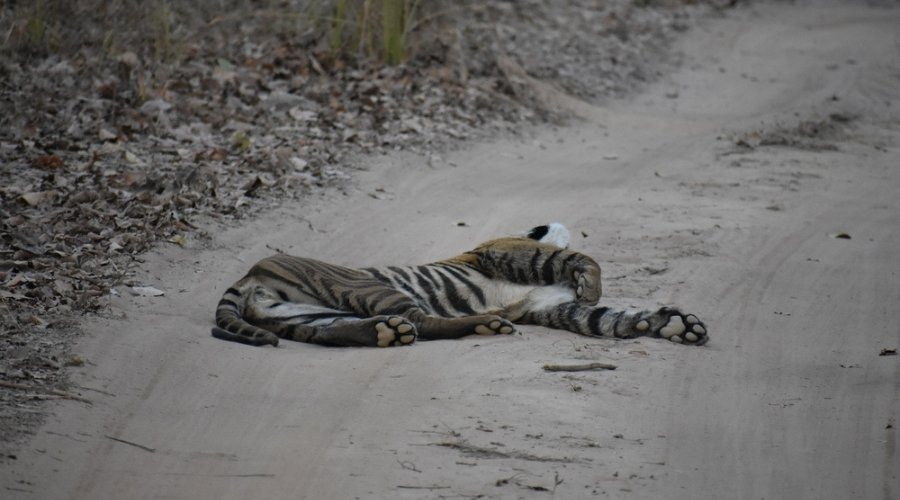
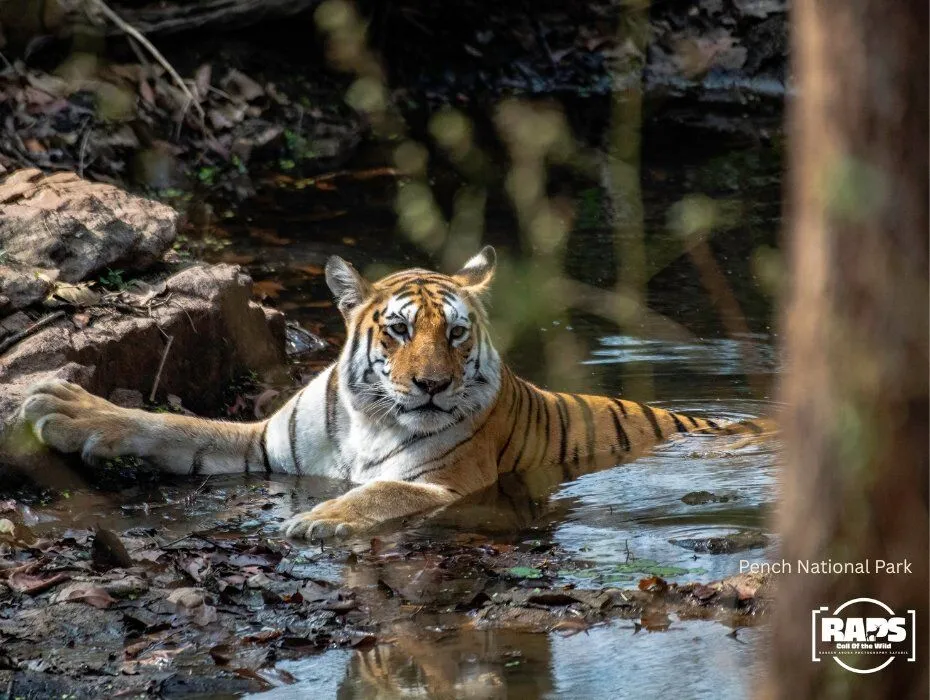
Approximately 50–60 Bengal tigers move freely across the inter-state boundary, which means the wildlife population is fundamentally shared between both sectors. The difference is tourism intensity. Where Madhya Pradesh zones can position 15–20 jeeps at a single tiger sighting, Maharashtra zones rarely exceed 6–8 vehicles total. For photographers and serious wildlife observers, that ratio changes the entire safari experience.
The park’s geography and wildlife differ from other Indian tiger reserves through a specific combination of tropical dry deciduous forest, open maidans (grassland patches), and the riverine ecosystem along the Pench River. Together, these create the classic central India landscape that originally inspired Rudyard Kipling’s Jungle Book.
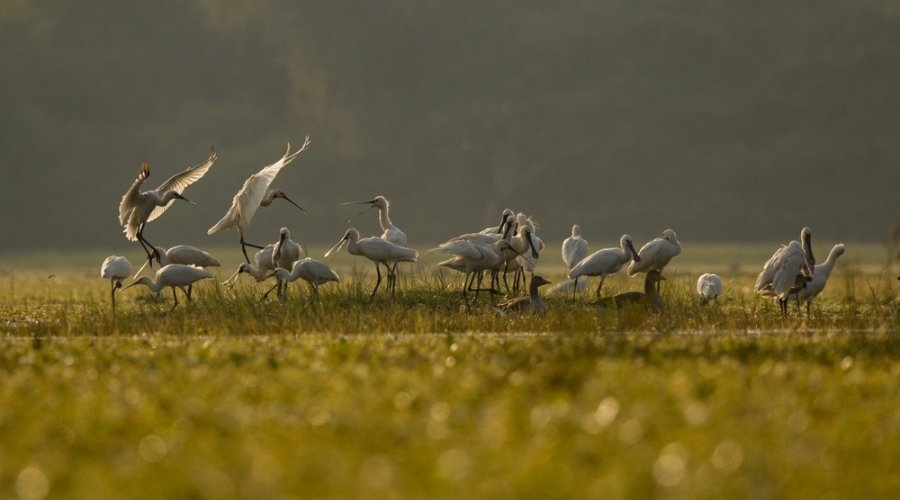
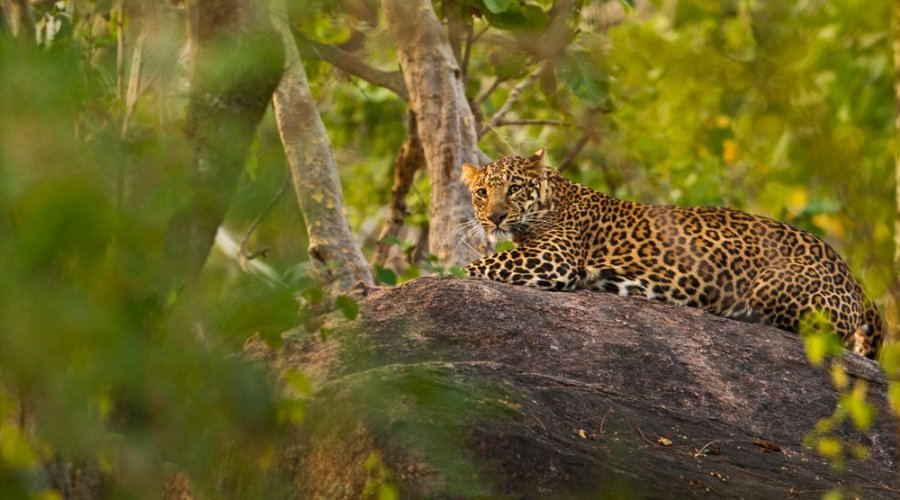
The forest is dominated by teak, tendu, and segun trees, with open grasslands alternating with dense cover. This mosaic supports more than just tigers — Indian leopards, sloth bears, gaur, four-horned antelope, wild dogs, and over 210 recorded bird species all use this habitat. The zones bordering the Pench River are particularly productive for birdlife: Malabar pied hornbills, Indian pitta, racket-tailed drongos, and significant winter migratory populations.
Tigers here also behave differently. Reduced vehicle exposure means the population remains less habituated than tigers in heavily visited reserves. From a photography standpoint, that produces authentic predator behaviour rather than posed tolerance — exactly what serious wildlife documentation requires.
Australian travellers should book through approved tour operators familiar with the Maharashtra Forest Department’s procedures, because the state’s online platform updates less frequently than Madhya Pradesh’s digital systems and benefits from direct local engagement.
Essential booking details:
Access logistics matter equally. Domestic flights connect through Nagpur’s Dr. Babasaheb Ambedkar International Airport, 90 kilometres from park gates — approximately a two-hour road transfer through agricultural landscapes and orange orchards. For travellers combining Maharashtra and Madhya Pradesh sectors, Jabalpur airport provides alternative access at 230 kilometres distant. The park also sits 140 kilometres from Tadoba Andhari Tiger Reserve, allowing efficient Maharashtra tiger circuits within a single trip.
Walk-in availability exists during shoulder seasons (October–November and March–April), but advance booking remains essential for travellers with fixed international flight schedules.
Accommodation near Jawaharlal Nehru National Park concentrates around Khursapar gate, with most properties within a 10–15 minute drive of park entry points — critical for early morning departures that catch peak wildlife activity.
Three accommodation tiers are available. Budget guesthouses range ₹1,500–3,000 per night with basic amenities. Mid-range eco-lodges, typically 10–15 rooms each, range ₹4,000–8,000 per night including meals, often employing local communities and funding habitat protection. Unlike the extensive luxury resort infrastructure on the Madhya Pradesh side, the Maharashtra sector maintains modest profiles — which actually benefits photographers prioritising field access over resort amenities.
On safari performance: tiger sighting probability sits at 60–70% across 4–5 drives during peak season (November–March). December through March delivers the most comfortable temperatures and highest encounter rates, while February to April produces excellent sightings as vegetation thins and water sources concentrate wildlife — despite temperatures climbing toward 40°C.
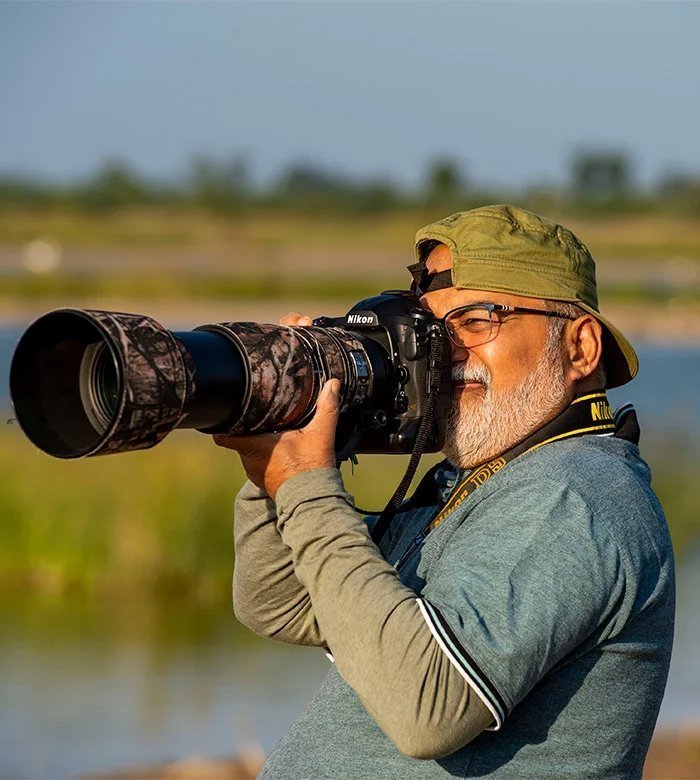
From Rakesh’s field experience, the most consistent results come from a 10–14 day itinerary covering 3–4 reserves, with 2–3 nights per sector when combining Maharashtra and Madhya Pradesh Pench. Tigers move freely across the inter-state boundary, so dual-sector planning acts as built-in contingency when one zone experiences temporary wildlife dispersal. Equipment-wise, 400–600mm telephoto lenses suit the forest environment, with monopods essential for stability during extended observations from stationary vehicles.
RAP Safaris structures Maharashtra tiger safaris around Jawaharlal Nehru National Park by integrating it with Tadoba Andhari Tiger Reserve and the Madhya Pradesh Pench sector — building a multi-reserve circuit that maximises both tiger encounter probability and habitat diversity within a single expedition.
Every expedition includes pre-booked permits, expert field positioning, and accommodation timed for early morning park access. For a complete view of India’s tiger reserves and how they fit into a broader itinerary, the National Parks section of the RAP Safaris website covers each destination in detail. The Tours page outlines current Maharashtra and Madhya Pradesh circuit options, while the Contact page is the direct route to a custom-built tiger expedition aligned with your photography goals and flight schedule.
Where is Jawaharlal Nehru National Park located?
Maharashtra’s Nagpur district — eastern Pench Tiger Reserve.
How many tigers are in the park?
Around 50–60 Bengal tigers shared across the Pench reserve.
What is the best time to visit?
December to March for peak sightings and cool weather.
How far is the park from Nagpur airport?
90 kilometres — around a two-hour road transfer.
How early should I book a safari permit?
Around 120 days before your visit through Maharashtra Forest Dept.
Can I combine this park with Tadoba on one trip?
Yes — Tadoba is 140 km away, a strong dual-park circuit.