India Travel Tours From Australia - Adventure | Oceania

India Travel Tours From Australia - Adventure | Oceania
February 23, 2026
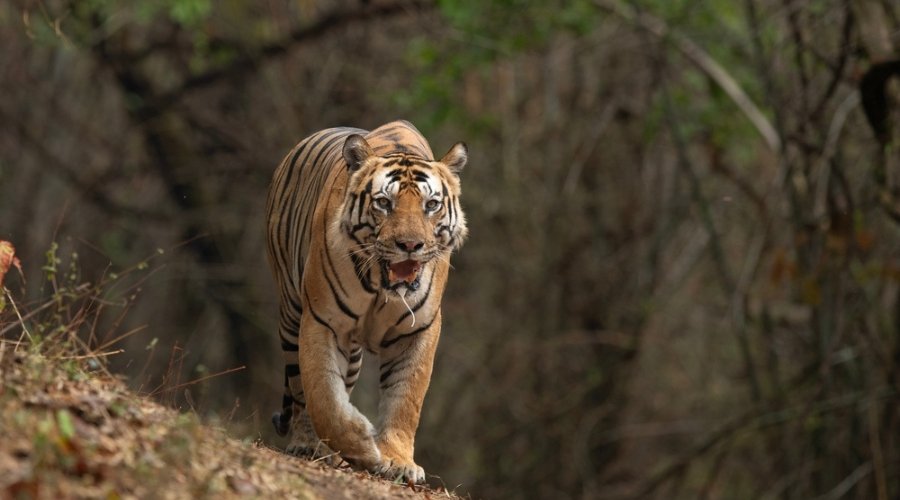
When it comes to India tours for wildlife lovers, Australia simply can’t compete with the raw spectacle of a tiger stalking through sal forests at dawn or a one-horned rhino grazing in misty grasslands.
But here’s the challenge: India isn’t a single destination you can tick off in one visit. It’s a vast subcontinent with 50+ tiger reserves, countless national parks, and wildlife experiences ranging from intimate forest encounters to sweeping grassland expeditions. Choosing the right tour makes the difference between glimpsing the back of someone else’s camera and locking eyes with a Bengal tiger.
After years immersed in this world, I’ve seen which tours consistently deliver extraordinary encounters and which ones leave travellers wishing they’d chosen differently. Let’s explore the tours that genuinely capture India’s wildlife magic for Australian visitors.
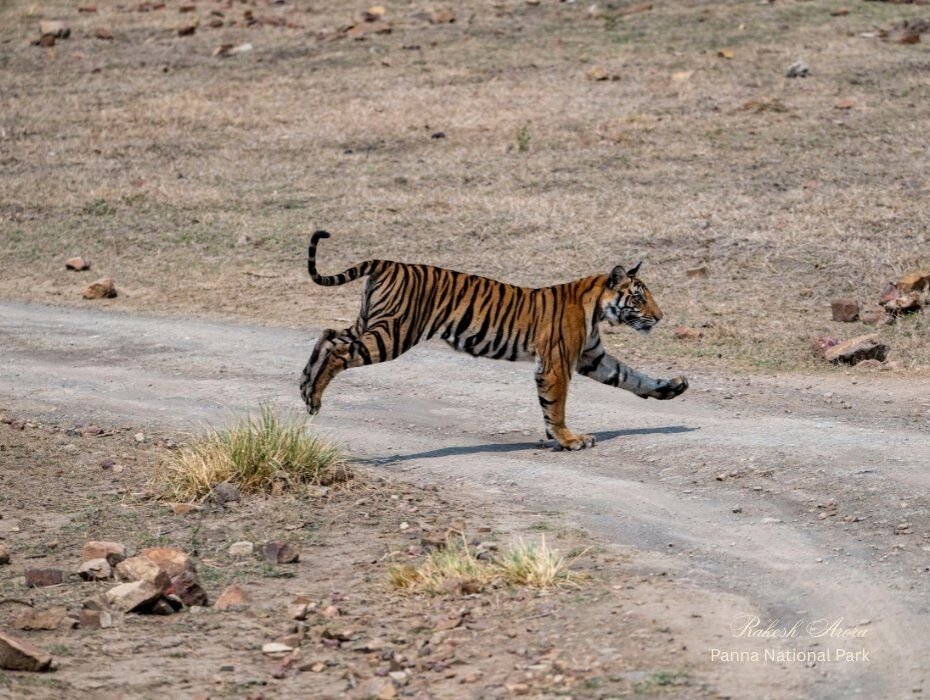
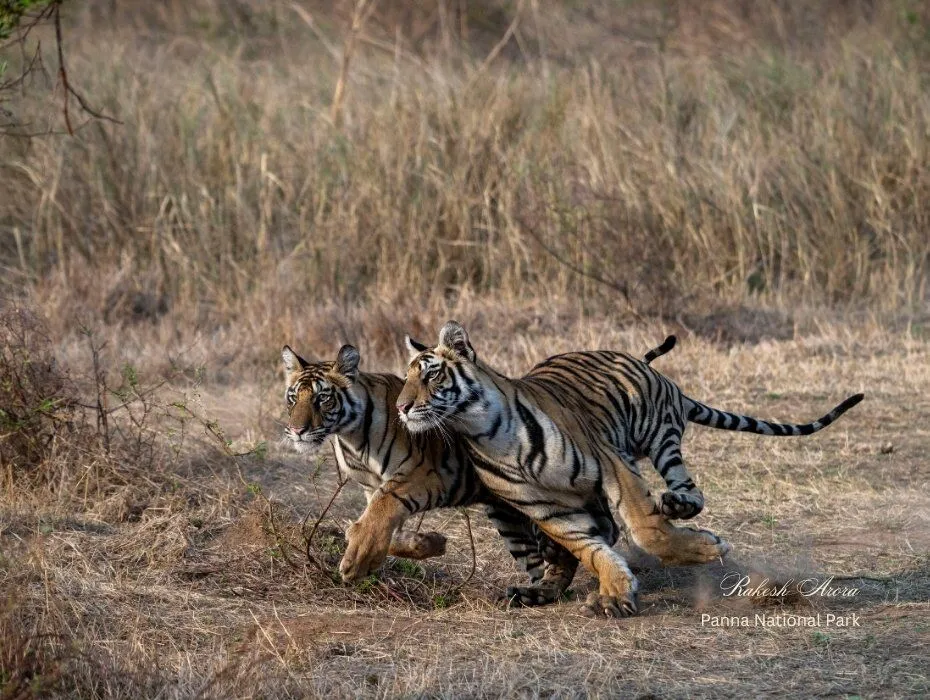
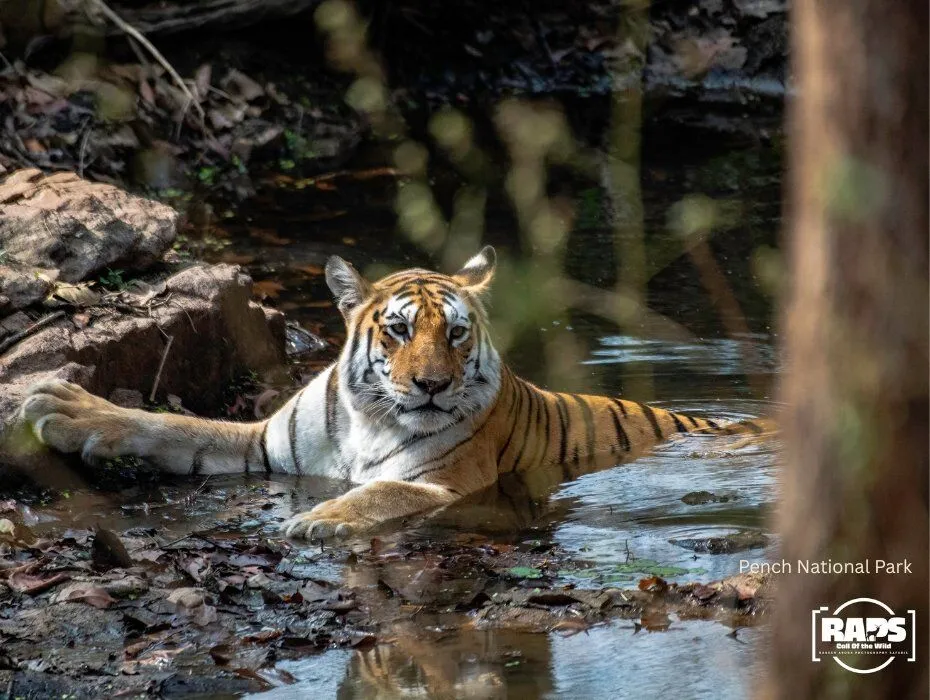
For first-time visitors seeking comprehensive big cat exposure, the central India circuit covering Bandhavgarh, Kanha, and Pench represents the gold standard. This route isn’t random; it combines India’s highest tiger density reserve (Bandhavgarh) with landscapes that inspired Rudyard Kipling’s Jungle Book (Kanha) and a park where leopards rival tigers for sighting frequency (Pench).
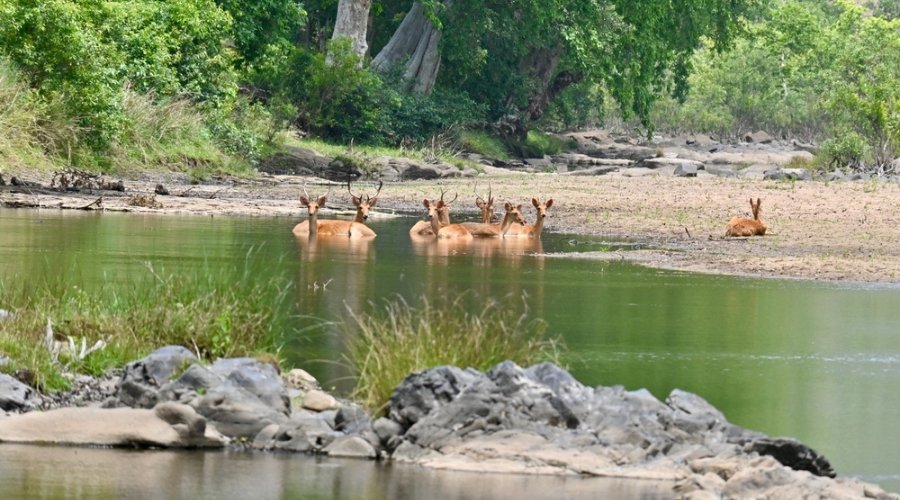
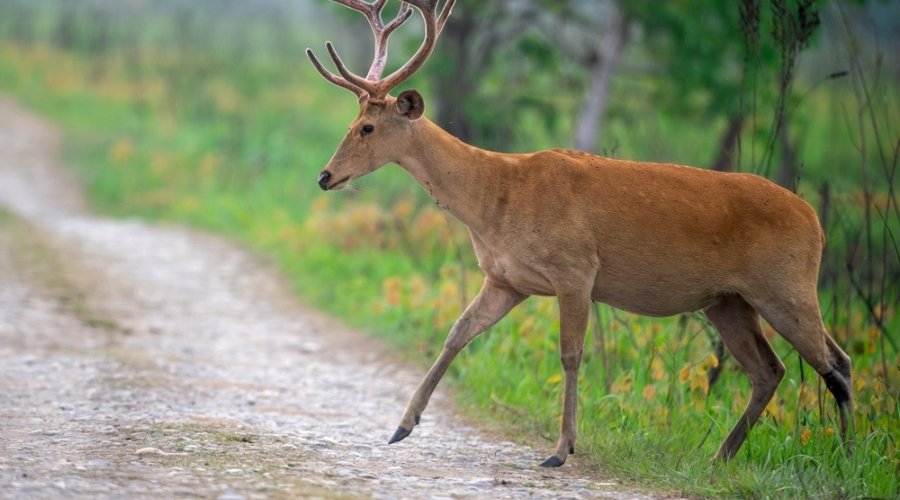
Bandhavgarh boasts approximately 150 tigers across a relatively compact 700 square kilometres, delivering sighting probabilities that exceed anywhere else in India. The park’s divided zones mean experienced operators secure permits for premium territories like Tala, where tiger encounters approach certainty rather than possibility. Kanha expands the experience with sweeping meadows and the endangered barasingha deer found nowhere else. Pench adds diversity with exceptional leopard populations and varied terrain.
This three-park combination typically spans 10-14 days, allowing adequate time in each reserve without exhausting travel between locations. Quality tours include twice-daily safaris, expert naturalist guides who’ve tracked these forests for decades, and accommodation positioned near park gates to maximise wildlife time over transit time.
What makes this circuit particularly suitable for Australians? It’s comprehensive without being overwhelming. You’re experiencing diverse habitats, multiple big cat encounters, and India’s premier wildlife reserves while maintaining reasonable comfort levels. The infrastructure around these parks has matured significantly, meaning quality lodges, reliable logistics, and English-speaking guides are standard rather than exceptional.
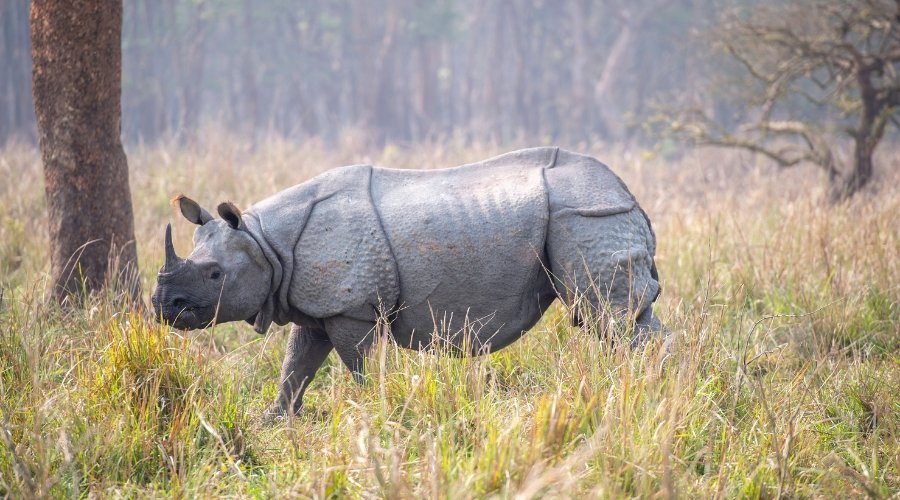
Want wildlife Australia genuinely cannot replicate? Kaziranga National Park in Assam delivers the extraordinary. This UNESCO World Heritage Site protects two-thirds of the world’s one-horned rhinoceros population, over 2,400 individuals grazing vast grasslands fed by the Brahmaputra River.
Tours combining central India’s tiger reserves with Kaziranga create the ultimate Indian wildlife experience. You’re transitioning from dense sal forests to open grasslands, from tracking elusive big cats to observing rhinos from metres away. Kaziranga also harbours significant elephant populations, wild water buffalo, and serves as a declared tiger reserve, meaning you’re potentially seeing rhinos, elephants, and tigers in a single location.
The logistics matter here. Kaziranga sits in India’s northeast, requiring internal flights from central parks. Quality operators like RAPS Safaris handle these transitions seamlessly, positioning Kaziranga either as a magnificent finale or compelling opening to your tiger reserve explorations. The park operates slightly differently from central India reserves, with elephant-back safaris complementing traditional jeep drives, an experience impossible in most tiger parks.
Extended tours spanning 14-16 days can incorporate both regions without feeling rushed. You’re investing travel time between central India and Assam, but the payoff of experiencing India’s most iconic megafauna across dramatically different ecosystems justifies every hour.
Standard wildlife tours accommodate photographers, but photography-focused expeditions transform the entire experience. These tours limit vehicle occupancy to 2-4 people maximum, ensuring window access for everyone. Departure times shift to golden hour priorities. Guides understand not just where animals are, but how light will fall and which angles deliver compelling compositions.
India’s photography tours differ fundamentally from generic safaris. Your guide isn’t just tracking wildlife; they’re positioning vehicles considering sun direction, background composition, and behavioural moments rather than mere sightings. When a tiger marks territory or a leopard descends from a tree, photography tours invest time capturing the sequence rather than quickly moving to find different animals.
These tours command premium pricing, typically 30-50% above standard safaris, but deliver value photographers recognise immediately. You’re spending concentrated time with individual animals in optimal conditions rather than rushing between sightings to maximise species checklists.
Parks like Bandhavgarh and Ranthambore work particularly well for photography-focused tours due to relatively open terrain,n allowing longer observation periods. Operators led by experienced photographers, such as those offering expert-guided experiences through established networks, bring technical knowledge beyond basic wildlife tracking.
Not everyone wants pure wildlife immersion. India’s incredible cultural heritage, the Taj Mahal, Jaipur’s forts, and Khajuraho’s temples sit conveniently near premier wildlife reserves. Hybrid tours integrate both elements, appealing to travellers seeking diverse Indian experiences or those travelling with family members less wildlife-obsessed.
The classic hybrid combines Ranthambore National Park with the Golden Triangle (Delhi, Agra, Jaipur). Ranthambore’s tigers roam ancient fort ruins, creating photographic backdrops unlike anywhere globally. The park sits just hours from Jaipur, making cultural integration logistically sensible rather than forced.
These tours typically dedicate 3-4 days to wildlife safaris and 5-6 days exploring cultural sites, creating balanced itineraries over 10-12 days total. You’re experiencing India’s diversity rather than single-dimension travel, which often suits first-time visitors uncertain whether they’ll return.
The trade-off? Less wildlife time means potentially fewer sightings compared to dedicated safari tours. But for many Australians, combining the Taj Mahal with wild Bengal tigers in a single journey represents ideal value from such a significant travel investment.
For experienced wildlife travellers who’ve already ticked off tigers and rhinos, India offers specialist tours targeting rare species in challenging environments. Snow leopard expeditions in Ladakh operate at 3,500+ metres altitude in winter conditions, tracking one of the planet’s most elusive big cats across Himalayan terrain.
These tours aren’t casual holidays; they demand physical fitness, cold tolerance, and patience for species with sighting probabilities around 50-60% despite expert guidance. But successfully photographing a snow leopard in wild Himalayan landscapes represents achievements few wildlife enthusiasts ever accomplish.
Specialist tours also exist for red pandas in northeastern India, Asiatic lions in Gujarat’s Gir Forest (the species’ only wild habitat globally), and intensive birdwatching expeditions targeting India’s 1,300+ bird species. These niche experiences suit travellers seeking wildlife encounters beyond the standard safari circuit.
India’s wildlife diversity means perfect tours don’t exist only tours perfectly matched to your priorities. First-timers prioritising tiger sightings should focus on central India’s proven reserves. Photographers need small group sizes and golden hour schedules. Cultural enthusiasts want heritage integration. Serious wildlife observers seek comprehensive experiences spanning multiple ecosystems.
The tour operator matters as much as the itinerary. Established specialists with decades of park relationships, exclusive naturalist guides, and transparent pricing consistently outperform cheap operators promising identical experiences. Australian-focused companies often understand our travel preferences, dietary requirements, and communication styles better than generic international providers.
What unites excellent India wildlife tours? They position you correctly in premier zones during optimal conditions with guides who genuinely understand animal behaviour. They respect wildlife rather than harassing it for photographs. They contribute to conservation through responsible tourism practices. And they create space for the extraordinary moments that first tiger sighting, that charging rhino, that leopard illuminated perfectly in morning light, that justify travelling halfway across the world.
Australia’s wildlife inspires global admiration, but it cannot deliver big cats, elephants, or rhinos to their natural habitats. For that, we travel to India. The right tour makes that journey unforgettable rather than merely memorable.