February 27, 2026
There’s a number that changed everything about wildlife travel to India, and most Australians don’t know it yet: 58.
That’s how many tiger reserves now exist across India as of March 2026, each one a carefully guarded fortress where striped royalty roams free. But here’s what makes this moment extraordinary—five of those reserves didn’t exist just three years ago. India isn’t just protecting tigers. It’s actively expanding their kingdom, creating new strongholds, and rewriting what conservation success looks like.
If you’ve been watching India’s tiger story from afar, wondering whether now is the right time to plan that long-dreamed safari, this might be the answer you’ve been waiting for.
On a crisp March morning in 2025, Madhav National Park in Madhya Pradesh quietly made history. With its official designation as India’s 58th tiger reserve, this 1,751-square-kilometre expanse in the Gwalior-Chambal region joined an elite network that represents India’s fiercest commitment to wild survival.
What makes Madhav’s story remarkable isn’t just its fresh status. Until 2023, this landscape held zero resident tigers. The last wild tiger vanished from these forests in the late 1970s, when India’s tiger population had collapsed to its lowest point. Then came the reintroduction project—three tigers relocated, cubs born in the wild, and suddenly Madhav transformed from empty habitat to thriving tiger territory.
This is India playing the long game. Not just maintaining what exists, but actively restoring what was lost.
Between 2023 and early 2025, India added five new tiger reserves to its portfolio, each one strategic, each one necessary:
Veerangana Durgavati in Madhya Pradesh became the 54th in 2023, honouring a warrior queen while protecting critical tiger habitat. Dholpur-Karauli in Rajasthan followed as the 55th, creating vital connectivity between fragmented populations. Guru Ghasidas-Tamor Pingla in Chhattisgarh emerged as the 56th, a massive landscape where tigers had already been quietly expanding their territory. Ratapani, also in Madhya Pradesh, joined as the 57th in December 2024, and Madhav completed the recent expansion.
With these additions, Madhya Pradesh now commands nine tiger reserves—the highest of any Indian state, earning its title as the true Tiger State with 785 tigers prowling its forests.
When Australian wildlife photographers ask where to find the highest tiger concentrations, the 2022 census data tells a compelling story. Jim Corbett in Uttarakhand holds the crown with an estimated 260 tigers—more than some entire countries. Bandipur in Karnataka shelters 150, Nagarhole hosts 141, and Bandhavgarh claims 135 in its compact territory.
But numbers alone don’t capture the full picture. Bandhavgarh, for instance, holds the highest tiger density in India—roughly one tiger per four square kilometres. Those odds change everything about how you experience a safari. Meanwhile, vast landscapes like Nagarjunsagar-Srisailam span 3,296 square kilometres, offering tigers room to be truly wild, even if sightings demand more patience.
Karnataka follows Madhya Pradesh with 563 tigers, then Uttarakhand with 560, and Maharashtra with 444. Together, these states safeguard the majority of India’s 3,682 wild tigers—representing 75 percent of the entire global population.
Let that settle in. Three-quarters of the world’s wild tigers live in one country.
Not every tiger reserve tells a success story. Three reserves—Buxa in West Bengal, Dampa in Mizoram, and Palamau in Jharkhand—recorded zero tigers in the 2022 census. Another 15 reserves host five or fewer. These aren’t failures of conservation effort but reminders that habitat alone doesn’t guarantee tiger presence. Prey base, corridor connectivity, and protection from poaching all matter desperately.
Some reserves like Corbett and Rajaji in Uttarakhand now approach their ecological carrying capacity. Tigers spill into buffer zones and beyond, increasing human-wildlife encounters. This success creates new challenges—how to protect both tigers and the communities living alongside them.
India’s expansion of tiger reserves isn’t just about numbers on paper. It’s about creating more opportunities for meaningful encounters while distributing tourism pressure across a wider network. The newest reserves will mature over coming years, developing infrastructure while keeping authenticity intact.
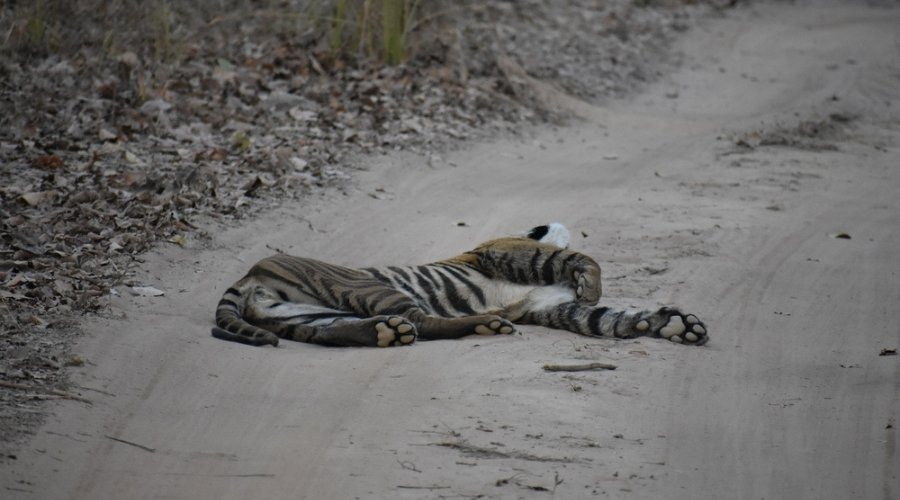
For those seeking the photography safari of a lifetime, understanding these rankings and additions matters. Jim Corbett offers the highest probability of sightings but draws crowds during peak season. Bandhavgarh provides intimate encounters in dense forest. Newer reserves like Madhav will eventually offer uncrowded experiences as tiger populations establish.
Some travellers prefer reserves where expert guides know individual tigers by sight and personality, where photography positions are selected not just for sightings but for storytelling frames. Others want to witness conservation in action—visiting reserves where tigers are being reintroduced, where every sighting feels like participation in survival itself.
India’s 58 tiger reserves now cover approximately 84,500 square kilometres—protected corridors where endangered species get second chances. The tiger population has grown from 1,411 in 2006 to 3,682 in 2022, representing an annual growth rate of 6.1 percent.
This isn’t accidental. It’s the result of Project Tiger, launched in 1973 when India’s tiger population had crashed. It’s the work of rangers who patrol these forests in extreme heat and monsoon rains. It’s camera traps capturing individual stripe patterns, scientific monitoring through M-STrIPES software, and communities learning to coexist with apex predators.
The story of India’s tiger reserves in 2026 is one of expansion, hope, and careful optimism. It’s a reminder that when conservation becomes a national commitment, remarkable things become possible. The striped forests of India aren’t just surviving—they’re growing, adapting, and welcoming those who travel with respect and wonder.