February 19, 2026
When we think of lions, the vast and beautiful African savannas come to mind. And why not, after all, African wildlife landscapes are beyond the ordinary. For decades, lions have been the indisputable kings of the African continent. But times have changed now.
Switch to 2026. This story is moving eastward.
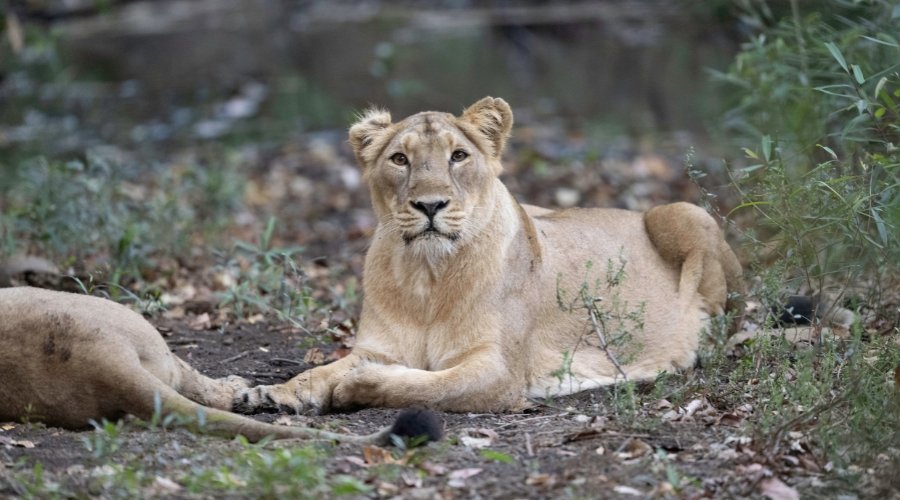
Picture this: tall grasslands, dense bushes, and lions walking freely with pride in the golden sunlight. It is a breathtaking moment. And in 2026, you get to witness this unforgettable lion experience, not in Africa, but in India. Here, in the forests of Gir, Gujarat, lives the majestic Asiatic lion. It tells the incredible story of the survival of one of the most powerful animals and of the success of its conservation efforts.
If we talk about Africa and India, both countries are large in size, have varied climate zones, and have different geographical areas and forest cover. Generally, National Parks in India have pre-defined trails and timings. Travellers have to follow strict rules and regulations here. In comparison, African Safaris do not cater to such strict timings.
Indian safaris allow you to track lions through a rainforest setting on a fixed schedule. In contrast, African safaris cover large open savannah-like areas that are more likely to yield sightings of large “Big Five” animal herds (lion, leopard, rhinoceros, elephant and buffalo). India emphasises close-up, high-intensity interactions with the cats, while Africa emphasises scale and biodiversity.
Travel has undergone significant change; popular, crowded, and once-in-a-lifetime destinations are being replaced by rarer, meaningful, and experience-based travel. If you are someone who places a higher value on meaning than quantity, then this is a year to pay attention to!
2026 will be a defining moment for wildlife travel around the world as travellers try to avoid the crowds and look for experiences that provide ethical tourism opportunities, conservation impact, and authenticity.
India’s Lion Reserves illustrate this trend beautifully:
With growing international interest, this is the time to visit Gir Velavadar LRK Tour before it becomes popular; 2026 has a unique opportunity for travellers who are “responsible” and who want to experience Gir without being overexposed.
Over the years, India has actively focused on its conservation efforts to protect the pride of the jungle. The extent of the commitment demonstrated by Project Lion, as well as several decades of maintaining wildlife habitats, demonstrates that long-term and predictable national conservation investments yield results.
For travellers seeking a meaningful wildlife experience, you can contribute via –
Today, more than 600 Asiatic lions move freely in the forests of Gir. They are neither fenced nor hidden, but roam confidently across the Indian rocky terrain. Move over the grasslands. Their home is now a dry deciduous forest, and they walk with pride along riverbeds. These wild animals certainly belong here. There is something profoundly inspiring about seeing a lion walk silently through forest paths. They share their homes with the local communities, who have lived alongside lions for generations. This story reflects peaceful coexistence between man and the wild. This experience is a rare phenomenon, not existing anywhere else on Earth. That’s why India’s lions leave a lasting impression on the travellers.
Africa will always inspire. But in 2026, it’s time to witness the world’s rarest lions enjoying their time in India.