India Travel Tours From Australia - Adventure | Oceania

India Travel Tours From Australia - Adventure | Oceania
February 28, 2026
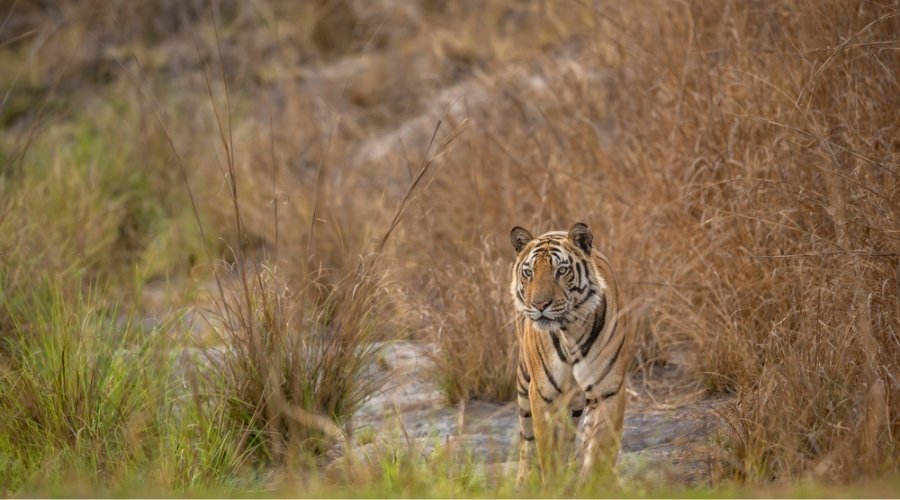
Most Australians planning their first wildlife safari automatically think Africa. But here’s what almost no one tells you: the flight from Melbourne to Delhi takes roughly the same time as Melbourne to Johannesburg, yet India offers something the savannahs never will—tigers padding through 10th-century fortresses, one-horned rhinoceros emerging from mist-shrouded grasslands, and snow leopards haunting the Himalayas.
India isn’t just geographically closer than you imagine. It’s culturally richer, photographically more diverse, and—quietly—home to 75 percent of the world’s remaining wild tigers.
If you’ve been putting off that wildlife dream because Africa feels too far, too expensive, or too familiar, what happens when the alternative turns out to be extraordinary?
Here’s the mathematics that changes everything: Sydney to Delhi clocks in at approximately 13 hours direct with Air India or Qantas. Melbourne follows suit at around 15 hours. Brisbane sits similar. These aren’t marathon journeys requiring multiple connections through obscure hubs—they’re comfortable overnight flights where you board after dinner in Sydney and wake to chai and sunrise over the subcontinent.
The time difference? A manageable 4.5 hours behind Australian Eastern Time. No brutal jet lag. No lost days recovering. You land, you acclimatise quickly, and within 24 hours you’re tracking tigers through sal forests or photographing rhinoceros in Assam’s grasslands.
Australian winters align perfectly with India’s prime safari season. While Melbourne shivers through June and July, India’s national parks remain closed for monsoon. But when Australian spring arrives in October, India’s forests reopen—lush, green, and teeming with life. By the time summer heat builds in Australia (December through March), you’re experiencing India’s perfect wildlife weather: cool mornings, warm days, and animals congregating around waterholes in landscapes photographers dream about.
The logistics work. The timing aligns. The only question becomes: why haven’t more Australians discovered this yet?
African safaris offer spectacular scale—wildebeest migrations, lion prides sprawling across open plains, that endless horizon feeling. India offers intimacy, layers, and narrative depth.
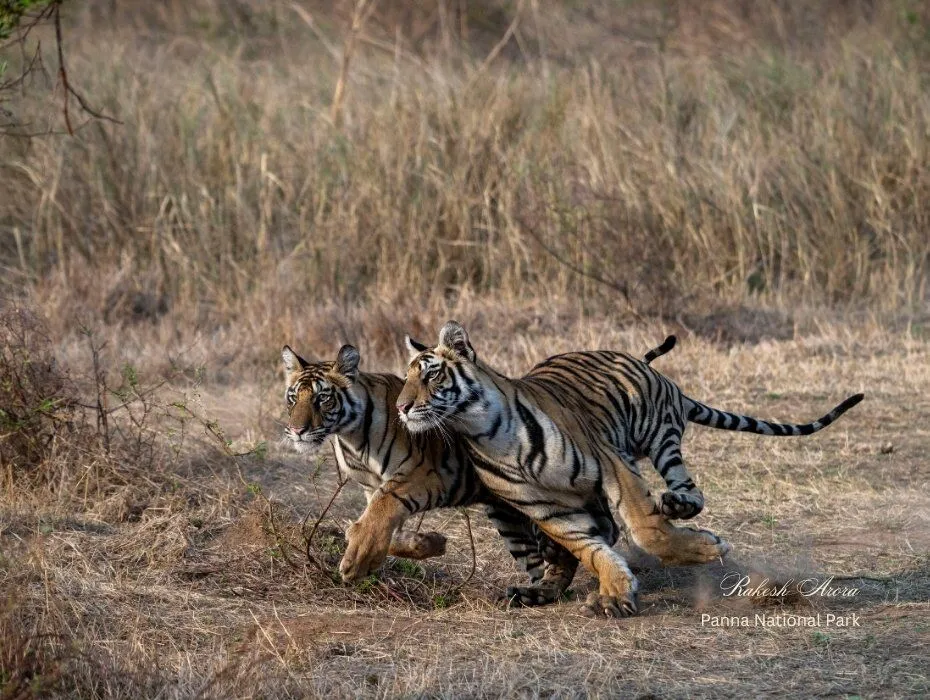
Imagine photographing a Bengal tiger not against generic bush, but framed by a crumbling maharaja’s hunting lodge, with langur monkeys chattering in ancient banyan trees and peacocks scattering at her approach. Or tracking a leopard through forests where Rudyard Kipling found inspiration for The Jungle Book—these aren’t theme park reconstructions but actual wild spaces carrying centuries of story.
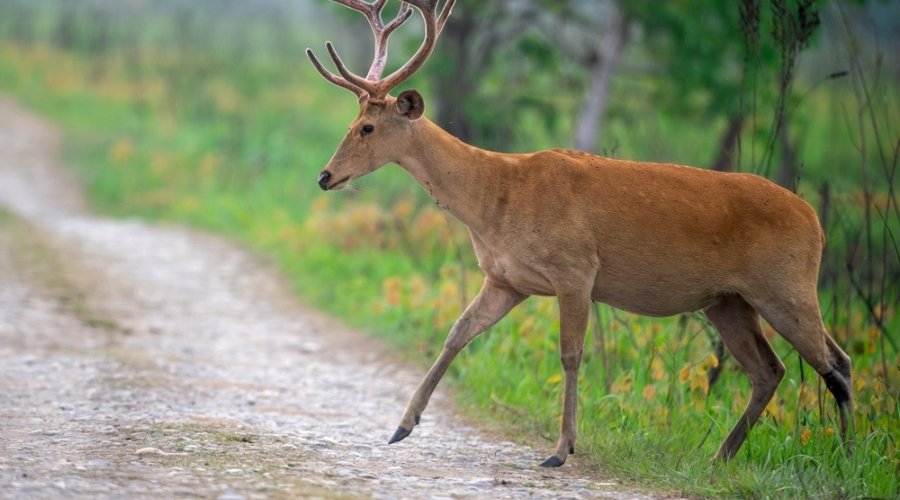
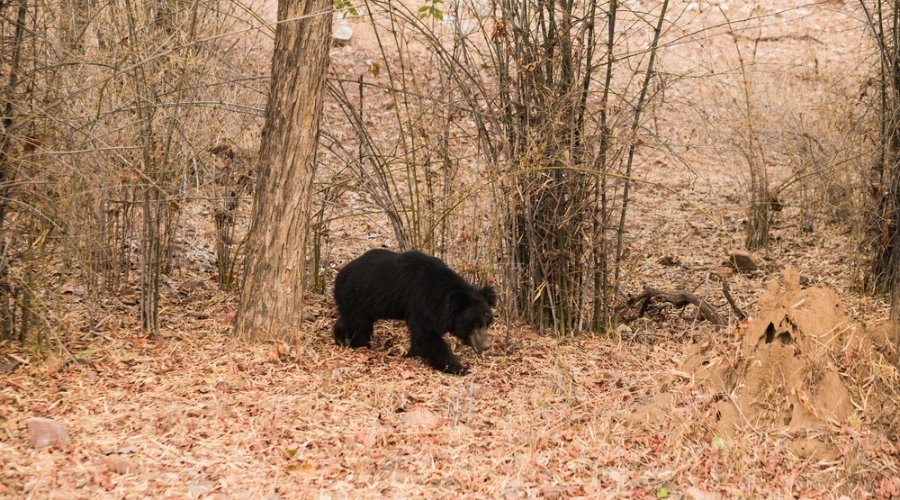
The wildlife diversity rivals anywhere on Earth. Beyond tigers, India protects the last Asiatic lions in Gir’s dry forests, one-horned rhinoceros in Kaziranga’s riverine jungles, sloth bears, Indian wild dogs, seven species of deer, over 1,300 bird species, and in Ladakh’s high altitudes, the phantom-like snow leopard. Each ecosystem feels distinct, each region offers different encounters, and the photography opportunities shift from lush green monsoon forests to scorched summer landscapes to mist-wreathed wetlands.
And here’s what surprises Australian photographers most: the quality of light. India’s golden hours glow differently—softer, warmer, more forgiving than Australia’s harsh midday glare. Dust particles suspended in morning air create that backlit magic wildlife photographers chase across continents.
Australia understands conservation. We’ve fought for our own threatened species, built sanctuaries, and learned hard lessons about habitat loss. India’s tiger story resonates with that same determination.
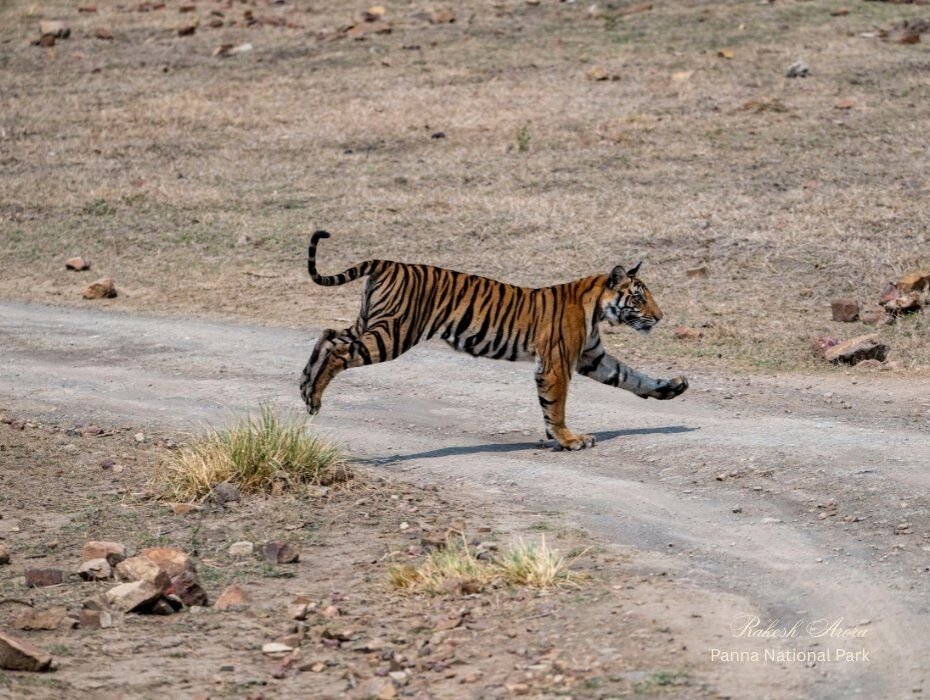
In 1973, India’s tiger population had collapsed to an estimated 1,411 individuals. Project Tiger launched that year as an audacious bet: that a developing nation could prioritise wildlife protection over economic pressure. Fifty years later, that population has climbed to 3,682—an unprecedented conservation success achieved while supporting a human population of 1.4 billion.
When you safari in India, you’re witnessing this in action. The park fees directly fund protection. The local guides explaining tiger behaviour spent childhoods in villages bordering these forests. The eco-lodges employ communities who’ve learned that live tigers generate more sustainable income than poaching ever could.
This isn’t performative conservation. It’s complicated, messy, deeply challenging work that somehow continues succeeding.
India wildlife tours from Australia range from the accessible to the immersive. Some prefer the comfort of Ranthambore—easily combined with Rajasthan’s palaces and the Taj Mahal, offering exceptional tiger sightings with cultural richness few safari destinations can match.
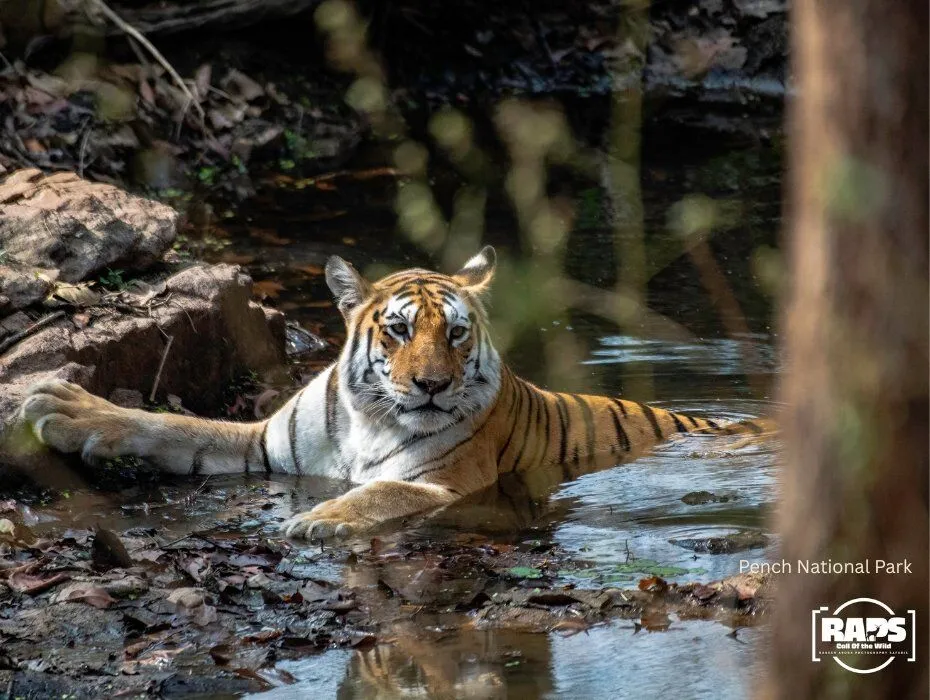
Others seek the deeper commitment: Central India’s tiger circuit through Kanha, Bandhavgarh, and Pench, where you spend a week focused purely on wildlife, learning to read the forest’s language, understanding alarm calls, tracking pug marks, and waiting with patient optimism for that moment a tiger melts from shadows.
The best experiences tend to be those where local expertise meets photographic knowledge. Guides who know individual tigers by sight position you not just for sightings, but for storytelling frames. Naturalists who’ve spent decades in these forests notice the sambar deer’s alarm call three valleys away and can interpret what it means. This level of depth transforms safari from tick-box tourism into genuine immersion.
October through April remains the sweet spot for most reserves. February through April offers the highest tiger encounter probability as water sources shrink and vegetation thins. November through January delivers prettier landscapes, comfortable temperatures, and spectacular birding.
India wildlife tours from Australia aren’t distant fantasies requiring years of planning and massive budgets. They’re legitimate, achievable experiences sitting roughly the same flight time as Bali—except instead of beaches, you’re tracking apex predators through forests where conservation is being written in real time.
The tigers are waiting. So are the rhinos, the leopards, the landscapes that National Geographic photographers return to year after year. So is that moment when you lock eyes with a wild tiger and understand why some people restructure their entire lives around protecting these creatures.
Perhaps it’s time to stop dreaming about Africa and start booking India.