India Travel Tours From Australia - Adventure | Oceania


India Travel Tours From Australia - Adventure | Oceania
January 1, 2026
When people think of wildlife safaris, their minds often drift to Africa’s golden savannahs, where lions prowl, elephants roam, and giraffes stride across endless horizons. For decades, Africa has been hailed as the pinnacle of wild adventures. Yet there is another land—vibrant, diverse, and equally enchanting: India. Here, the wild thrives in many forms: in tangled jungles alive with tigers, in mist-wrapped mountains where elusive snow leopards roam, and in sprawling mangroves and wetlands echoing with bird calls. India’s safaris rival Africa’s in thrill, but carry a character and richness uniquely their own. Here’s why India deserves a place at the top of your wildlife journey list.
A World of Wildlife Diversity in One Country
India is a land where wilderness wears many faces. With over 100 national parks and more than 600 wildlife sanctuaries, the country shelters an astonishing range of habitats and species. Unlike Africa, where safaris often spotlight the famed “Big Five,” India’s wild stage is vast, unpredictable, and full of surprises. called as INDIA BIG 7 by most of photographers.
Wilderness of Mighty Cats
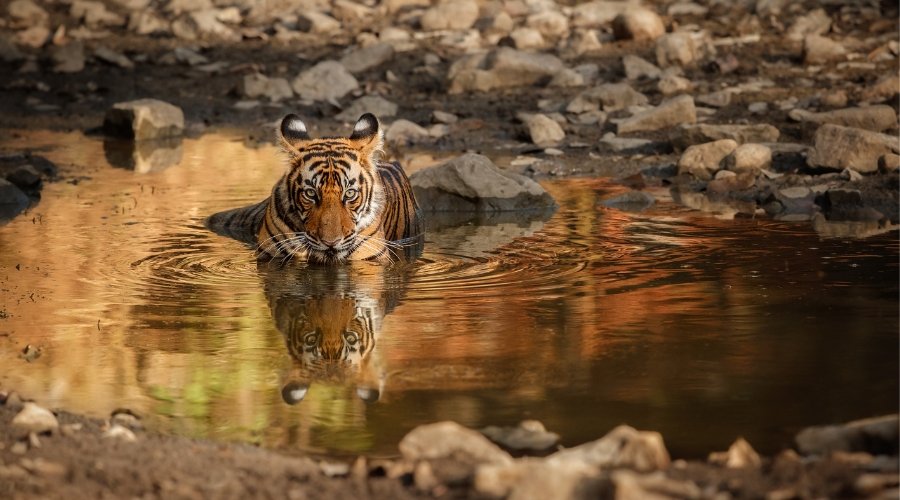
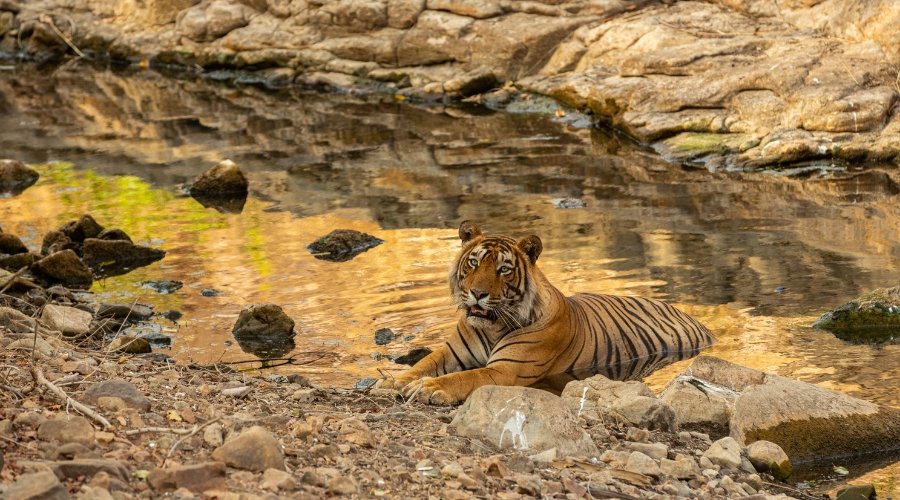
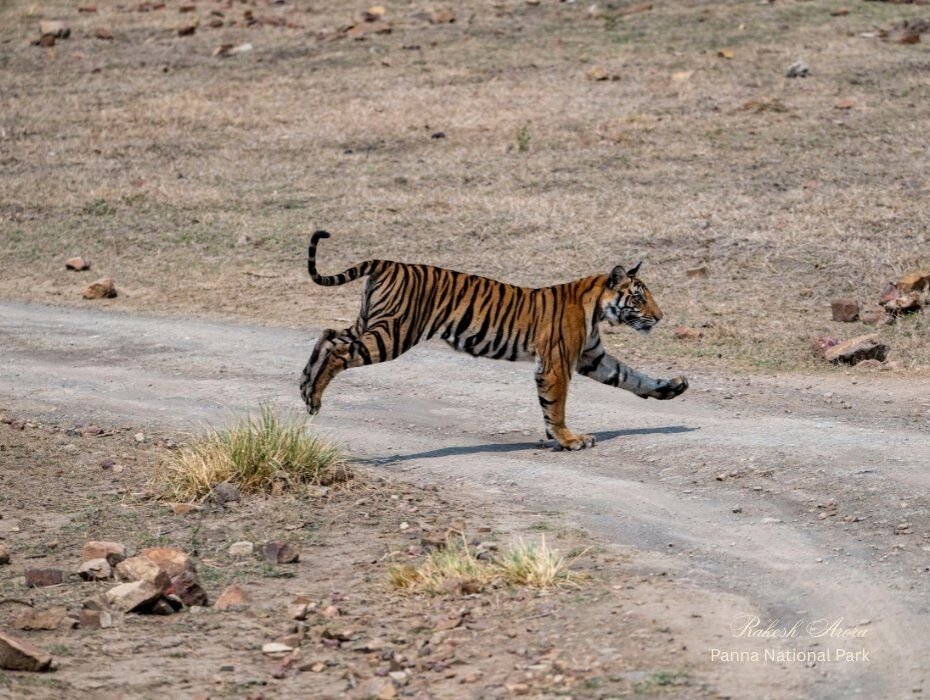
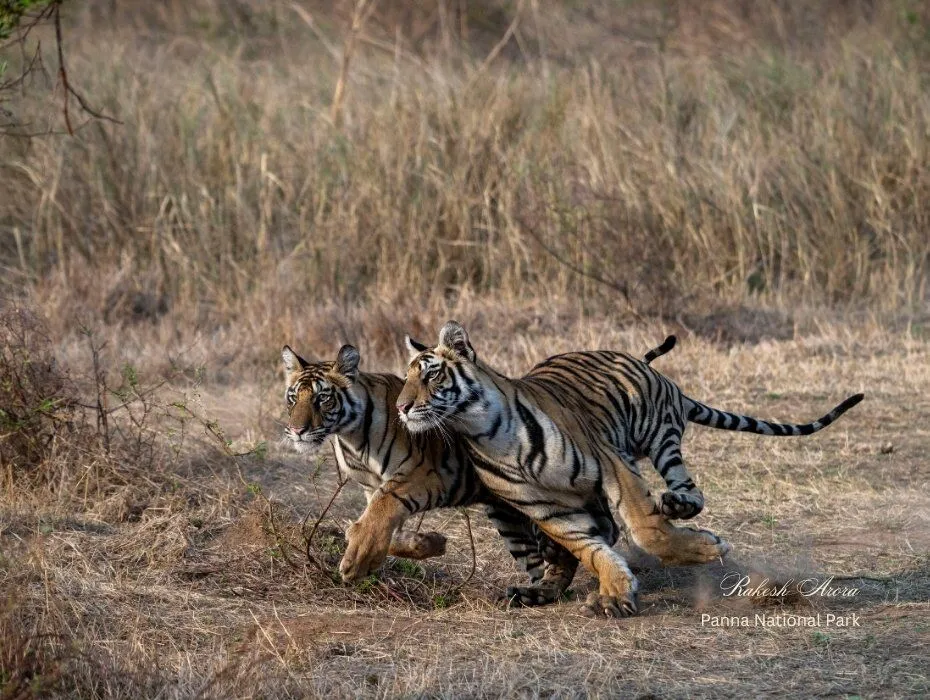
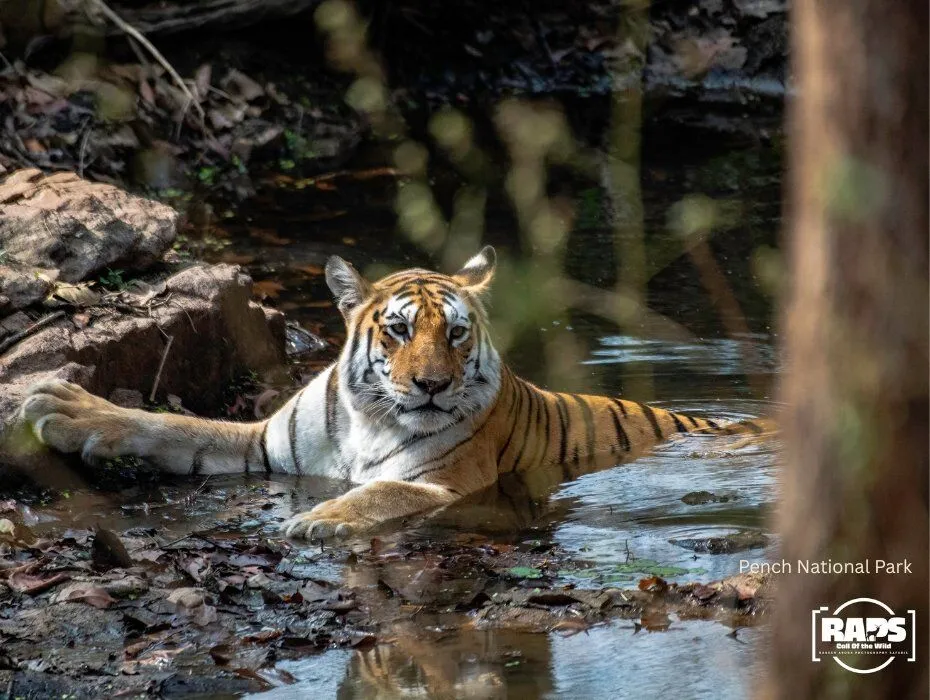
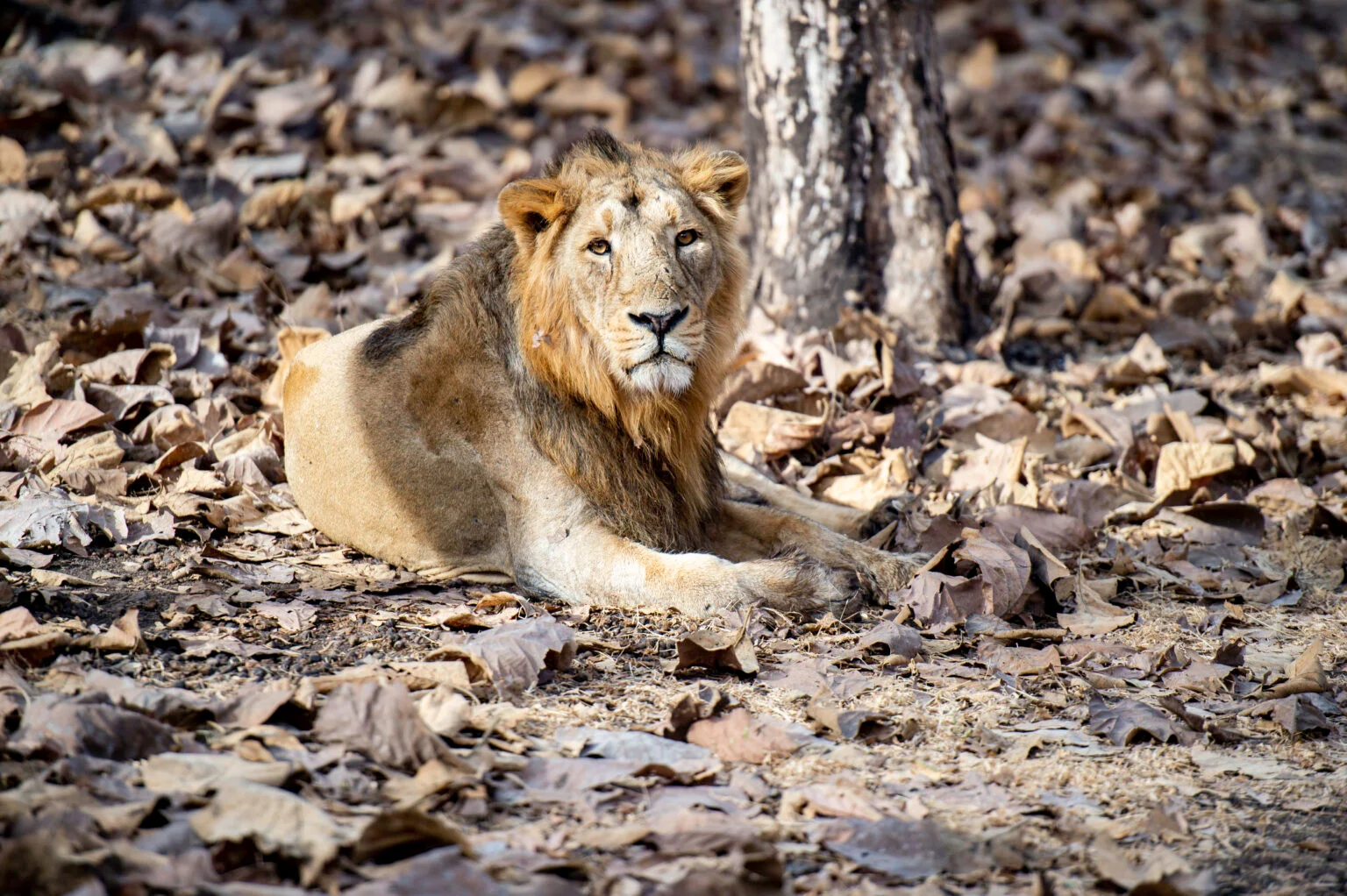
India is among the rare countries where you can witness three great cats in their natural realms—the regal Bengal tiger, the secretive leopard, and the Asiatic lion, found only in Gir. The nation’s 58 tiger reserves are treasure troves of landscapes and experiences: the tall grasses of Kaziranga, the teak forests of Kanha and Bandhavgarh, the rugged cliffs of Ranthambore, and the tidal mangroves of the Sundarbans.
Unique Wilderness Marvels
The wild here extends far beyond its cats. From the one-horned Indian rhinoceros to snow leopards roaming Himalayan peaks, from sloth bears and clouded leopards to hoolock gibbons swinging through the Northeast, India teems with rare and endemic life. Bird enthusiasts, too, find a paradise—home to Malabar hornbills, Indian pittas, and flocks of migratory cranes painting the wetlands in motion.
Aquatic Realms
India’s wild story flows into its rivers, lakes, and coasts. Spot the Ganges river dolphin surfacing in sacred waters,
Together, these landscapes create a biodiversity found nowhere else. A single journey through India’s wild can reveal encounters so rare, so unforgettable, they cannot be matched anywhere else on Earth.
Exploring India’s Wild Realms: Ten Gateways to Nature
When it comes to wildlife tourism, most people think of Africa’s savannahs. Yet, India quietly holds one of the richest biodiversity hotspots in the world. With over 100 national parks, 600 wildlife sanctuaries, and 50+ tiger reserves, the country offers something no other destination can—10 distinct biogeographic zones that showcase deserts, glaciers, rainforests, mangroves, and coral islands, all within one nation.
If you are planning a wildlife safari in India, here’s why the country is unlike anywhere else:
The stark landscapes of Ladakh and Spiti are home to the elusive snow leopard, Himalayan brown bear, chiru, bharal, and marmots. This high-altitude desert is a dream for adventurers seeking rare wildlife experiences.
Stretching from Kashmir to Arunachal Pradesh, the Himalayan region shelters red pandas, musk deer, black bears, and vibrant monals. Its misty forests and snow-capped peaks make it a paradise for wildlife and nature lovers.
The Northeast states—Assam, Meghalaya, Nagaland, and Arunachal—are a haven of biodiversity. Clouded leopards, hoolock gibbons, hornbills, and the golden langur thrive in these lush rainforests, making it one of the most exotic wildlife destinations in India.
The Thar Desert in Rajasthan surprises with its resilience. Chinkara, desert foxes, and the endangered Great Indian Bustard roam these golden dunes under dramatic sunsets.
In Gujarat’s Gir National Park and across dry forests of Madhya Pradesh and Karnataka, wildlife has adapted to scarcity. Asiatic lions, sloth bears, pangolins, and nilgai dominate these landscapes.
Running along India’s west coast, the Western Ghats are home to lion-tailed macaques, Malabar civets, hornbills, and orchids. Recognized as one of the world’s top biodiversity hotspots, this region is perfect for eco-tourism.
Spanning central and southern India, this region hosts some of the best tiger reserves in India—Bandhavgarh, Kanha, Pench, and Nagarhole. Here, Bengal tigers, leopards, and gaurs rule the forests and grasslands.
The fertile plains of the Ganga River nurture swamp deer, gharials, river dolphins, and migratory birds. Sanctuaries like Dudhwa and Vikramshila Dolphin Sanctuary highlight this unique ecosystem.
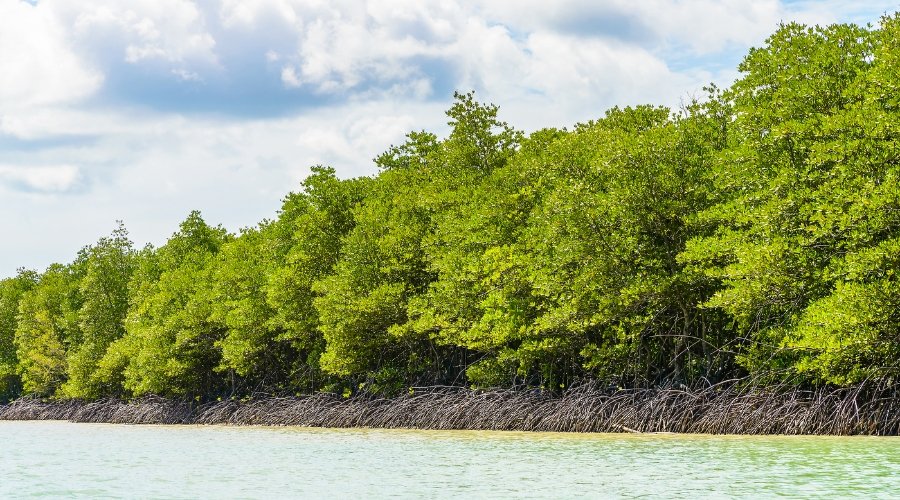
From the Sundarbans mangroves to Kerala’s backwaters, India’s coasts are alive with Irrawaddy dolphins, saltwater crocodiles, and even swimming tigers. Kingfishers and waders add color to these estuaries.
India’s islands are tropical treasures. Coral reefs teem with marine life, dugongs drift in seagrass beds, and rare species like megapodes and wild pigs thrive under emerald rainforests.
Why Choose Wildlife Tourism in India?
Unlike other destinations, India offers incredible diversity within short distances. You can spot snow leopards in Ladakh, tigers in Madhya Pradesh, rhinos in Assam, and elephants in Kerala—all in one trip.
With a strong focus on wildlife conservation—from Project Tiger to community-led eco-tourism—your safari in India doesn’t just give you unforgettable sightings, it also contributes to protecting endangered species and local livelihoods.
Final Thoughts: India’s Wild Symphony
Few countries on Earth offer such diversity—lions and tigers, deserts and rainforests, dolphins and snow leopards—all within a single border.
A wildlife trip to India isn’t just a safari; it’s a cultural and ecological journey. Each landscape tells a new story, every safari unveils a new species, and together, they form a living epic called India.
Whether you’re a photographer, birder, adventure seeker, or first-time traveler, wildlife tourism in India promises encounters you won’t find anywhere else on the planet.
India’s Wilderness Woven with Tradition
In India, the wild is never separate from the world of people. A safari here is not only about watching animals—it is about stepping into a landscape where history, tradition, and wilderness breathe as one. Villages around Kanha, Bandhavgarh, Pench, Kaziranga, and Ranthambore offer glimpses of communities that have lived in quiet rhythm with the forest for generations. Ancient temples rise beside rivers, forts stand guard over dense woodlands, and folklore flows as freely as birdsong—enriching every journey with layers of meaning. To explore India’s wild is to discover a culture that has always seen nature not as “other,” but as kin.
Travel with Purpose, Conserve with Heart
India, home to over 1.4 billion people, has shown the world that coexistence is possible. With more than 100 national parks, 550 sanctuaries, and over 50 tiger reserves, the country has carved sanctuaries of hope where endangered species not only survive but flourish. This is conservation lived daily—through policy, community effort, and the spirit of guardianship.
Project Tiger — A Roaring Triumph
Launched in 1973, Project Tiger remains a beacon of global conservation. From only 1,411 tigers in 2006, India’s tiger population has risen to an estimated 3,682 (2022 census)—nearly three-quarters of the world’s wild tigers. Reserves such as Kanha, Corbett, Ranthambore, Bandhavgarh, and Sundarbans now pulse with tiger life. Relocated villages, vigilant patrolling, and stronger protections have turned these forests into safe havens. For travelers, a tiger safari in India is more than a chance for a sighting—it is a moment to witness the success of one of the greatest conservation stories on Earth.
Walk the Wild, Protect the Future
When you journey with responsible operators like RAKESH ARORA PHOTOGRAPHY SAFARIS ( RAPSAFARIS), your footsteps echo far beyond the forest trail. Each park entry, each stay in an eco-lodge, and every guided safari fuels protection—supporting anti-poaching patrols, empowering local communities, and nurturing wild habitats back to life. In choosing India, your adventure becomes more than a holiday—it becomes a legacy of hope and resilience, where every tiger’s roar and every bird’s call is part of a larger story of conservation success.
Wildlife Without Barriers
Unlike the far-flung safari camps of Africa, India’s wild is within easy reach. Well-connected airports, smooth domestic flights, and stays that range from luxurious retreats to cozy eco-lodges make planning seamless. Add to this the gift of diversity—snow peaks, deserts, mangroves, and jungles, all within a few hours’ travel—and India offers unmatched value and flexibility for every kind of explorer.
The Magic of India’s Wild
India’s wilderness is not just seen, but felt. It’s in the tiger’s thunderous call across the forests of Madhya Pradesh, in the ancient silhouette of rhinos grazing in Kaziranga, in the mirrored stillness of Bharatpur’s wetlands, and in the tidal mysteries of the Sundarbans. Each encounter is intimate, layered with culture, and enriched by stories of survival and coexistence.
So while Africa’s savannahs sweep wide and golden, India reveals the wild in countless hues, voices, and rhythms. This is not simply a safari—it is an immersion of the senses, a lesson in harmony, and a journey that stays with you long after you leave the jungle.
The Dance of Humans and Wilderness
India’s true distinction lies in its timeless philosophy of harmony with the wild. For centuries, sacred groves, community forests, and deep-rooted reverence for living beings have allowed nature to thrive beyond the borders of protected parks. Leopards slip through village edges, elephants wander along farmlands, and bears forage near settlements—reminders of an ancient balance where people and wildlife share the same tapestry of life.