India Travel Tours From Australia - Adventure | Oceania

India Travel Tours From Australia - Adventure | Oceania
March 12, 2026
The Ramganga River bends through sal forests like molten silver, catching first light while mist clings to Himalayan foothills rising beyond. On the far bank, an elephant matriarch leads her family from the tree line—six individuals moving in single file toward water, trunks swaying, the youngest calf tucked protectively between aunts. Your lens tracks them across the frame: foreground river rocks creating depth, middle-ground elephants providing scale, background mountains establishing context. This single composition contains everything landscape photography demands—layers, light, life, and that ineffable quality separating snapshots from art.
This is Jim Corbett National Park at dawn, where India’s oldest tiger reserve delivers something equally compelling as big cats: the opportunity to master landscape photography through elephant herds moving through riverine ecosystems that photogenically marry Himalayan grandeur with Terai wilderness. For Australian photographers accustomed to capturing sweeping landscapes from the Kimberley to Tasmania, Corbett offers a revelation: wilderness photography where animals enhance landscapes rather than merely occupy them.
Jim Corbett spreads across 1,318 square kilometres at the junction of two dramatically different ecologies. To the north, the Himalayan foothills rise in successive ridges—the Shivalik range clothed in sal forests and oak woodlands. To the south, the Terai plains extend in riverine grasslands and dense vegetation. The Ramganga River cuts through this transition zone, creating the riverine landscapes that define Corbett’s photographic character.
Unlike Central India’s tiger parks where photography focuses primarily on predators against scrub backgrounds, Corbett demands landscape thinking. The Dhikala zone particularly—Corbett’s core area accessible through limited permits—presents vast grasslands called chaurs where elephant herds graze against backdrops of forested ridges and distant peaks. Phulai chaur, Sambar Road, and the Ramganga riverbed itself function as natural amphitheaters where wildlife performs but landscape steals the show.
The 700 Asian elephants inhabiting Corbett aren’t merely subjects. They’re compositional elements moving through frames photographers construct from terrain, water, light, and atmospheric conditions that shift hourly. Dawn brings that signature Himalayan mist wrapping valleys in soft focus. Midday delivers harsh clarity revealing every ridge and gully. Late afternoon transforms riverbanks into golden opportunities as elephants cross channels with mountains silhouetted beyond.
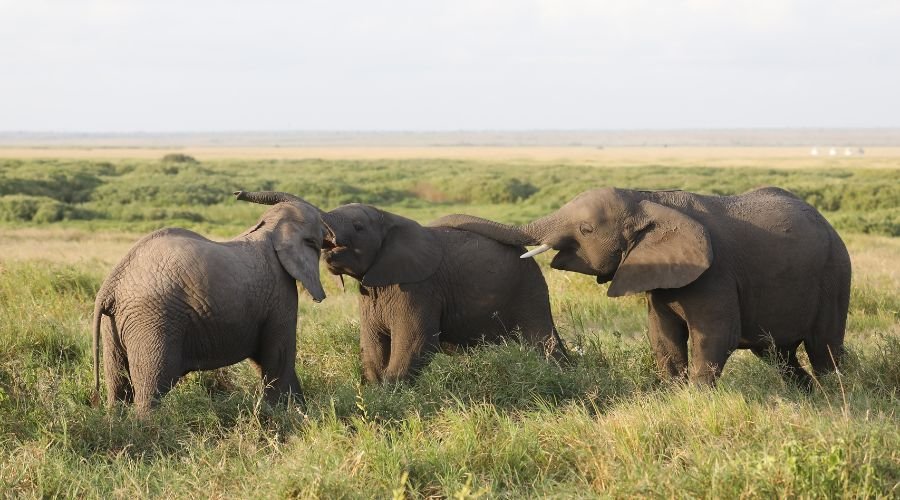
What makes elephant photography in Corbett exceptional isn’t just numbers—though herds of 15-20 individuals are commonly sighted—but behaviour unfolding across landscapes expansive enough to contain it. The matriarchal structure of elephant herds creates visual narratives photographers can follow through multiple frames: the eldest female testing river depth before allowing calves to enter, adolescent bulls play-fighting in shallow water while mothers graze nearby, extended families coordinating movements across chaurs with precision suggesting millennia of learned behaviour.
These aren’t fleeting encounters demanding luck and fast reflexes. Elephants in Dhikala and Bijrani zones tolerate safari vehicles with remarkable patience, often grazing within photographic range for extended periods. This allows considered composition—working angles, waiting for better light, capturing interaction sequences rather than isolated moments. A young calf wrapping its trunk around its mother’s leg. Multiple generations drinking simultaneously at riverside. Dust clouds rising as a herd moves through dried grass with Himalayan ridges framing the background.
The landscape photography challenge becomes integrating these magnificent animals into frames that honour both subject and setting. Too tight and you lose ecological context. Too wide and elephants become incidental. The sweet spot—positioning where elephants anchor compositions while landscapes provide story—separates competent wildlife photography from genuine artistic achievement.
Corbett’s riverine landscapes teach specific photographic lessons. The Ramganga and its tributaries don’t merely provide water. They create reflections, leading lines, foreground interest, and atmospheric moisture that transforms ordinary light into something painterly. Early mornings along Sambar Road, when mist rises from river surfaces and elephants cross through shallow sections, deliver conditions landscape photographers dream about.
Understanding light behaviour in Himalayan foothills matters crucially. Unlike central India’s flat terrain where sun angles are predictable, Corbett’s ridges and valleys create complex shadow patterns changing throughout the day. South-facing slopes catch morning light while north-facing terrain remains shadowed. River valleys funnel mist creating localized atmospheric effects. The result: no two mornings deliver identical conditions even at the same location.
Winter months (November through February) provide comfortable temperatures, lush post-monsoon vegetation, and that crisp Himalayan air quality creating extraordinary clarity. March through May brings elephant concentrations to waterholes as temperatures climb, vegetation thins, and landscape photography shifts from verdant to austere. The dry riverbeds expose geological formations—smooth stones, sandy banks, weathered logs—that function as compositional elements when elephant herds gather.
To photograph Corbett properly requires understanding Kumaoni culture shaping these landscapes for centuries. The Kumaon region—where Corbett sits—maintains traditions reflecting deep connections with Himalayan foothills. Ramnagar town serving as Corbett’s gateway carries this heritage through cuisine, crafts, and community practices worth experiencing between safaris.
Kumaoni cuisine offers revelations for Australians accustomed to India’s more familiar northern dishes. Kafuli—spinach and fenugreek slow-cooked in iron vessels—provides iron-rich nutrition evolved for Himalayan living. Bhatt ki churkani, made from black soybeans abundant in Kumaon, delivers protein in forms adapted to mountain agriculture. Aloo ke gutke—simple spiced potatoes—becomes comfort food after dawn safaris in crisp mountain air. The famous bhang ki chutney—made from roasted hemp seeds, not intoxicating but deeply flavourful—accompanies nearly every meal with its tangy, nutty complexity.
Local handicrafts reflect this same connection with nature. Ringal craft using bamboo produces baskets, mats, and decorative items showcasing generations of technique. Copper utensils hammered by hand in Almora workshops supply traditional cooking vessels still used in Kumaoni households. These aren’t tourist productions but living traditions maintaining relevance while honouring heritage.
For Australian photographers travelling from Australia to India, reaching Corbett flows through accessible routes. International flights arrive Delhi. From there, either domestic flights to Pantnagar (80 kilometres from Corbett) or direct drives of approximately six hours deliver you to park gates. Ramnagar town provides accommodation ranging from budget guesthouses to premium eco-resorts designed specifically around photography requirements.
The Dhikala zone—Corbett’s showcase area—requires advance booking and permits limited numbers maintaining experience quality. Forest rest houses within Dhikala offer basic accommodation allowing multi-day stays in the core area, sunrise-to-sunset access, and that precious commodity increasingly rare in Indian wildlife tourism: solitude. Being inside the park when most visitors leave transforms photography from rushed safari stops into genuine landscape immersion.
Safari timings align with optimal light: morning slots begin 6:00am catching dawn, afternoon sessions run 3:00pm-6:00pm capturing golden hour. Professional naturalist guides familiar with elephant movement patterns, landscape composition spots, and seasonal variations elevate experiences significantly. Many properties now cater specifically to solo travellers and women-only groups, recognising that wildlife enthusiasm transcends demographics and that India’s improving safety infrastructure supports independent exploration.
Ultimately, Corbett’s riverine landscapes and elephant herds offer photographers something beyond technical mastery. It’s the opportunity to create images where subject and setting achieve balance, where animals become part of ecosystems rather than isolated from them, and where landscape photography gains life, movement, and narrative depth through wildlife presence.
When that elephant matriarch finally leads her family across the Ramganga with Himalayan foothills rising beyond, when your composition captures multiple generations moving through layered terrain with morning light transforming ordinary river crossing into visual poetry—you’ve achieved what landscape photography aspires toward. Not just documentation but interpretation, not just recording but revealing.
The Himalayan foothills whisper stories through river currents and elephant movements, through mist-wrapped valleys and sal forests climbing toward snow peaks. The camera merely learns their language.