April 1, 2026
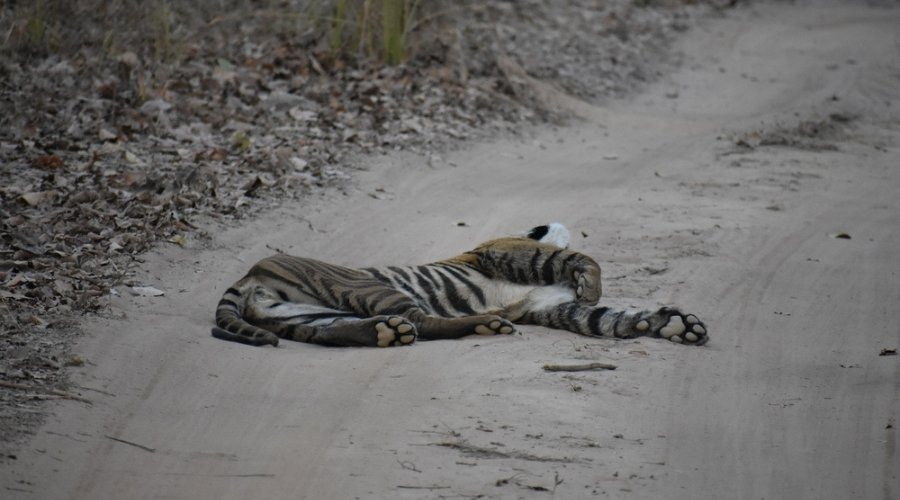
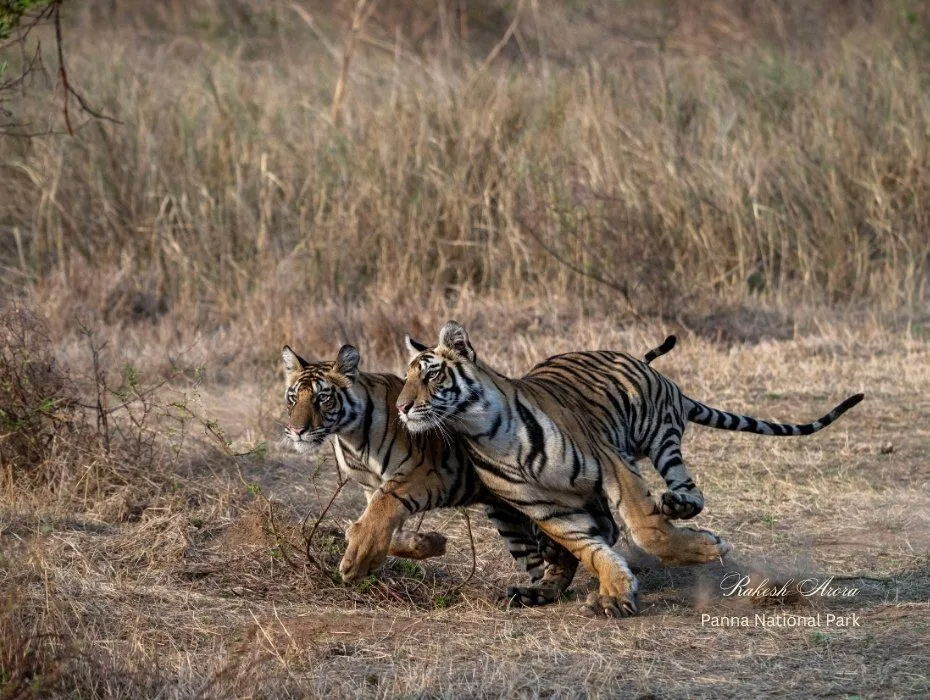
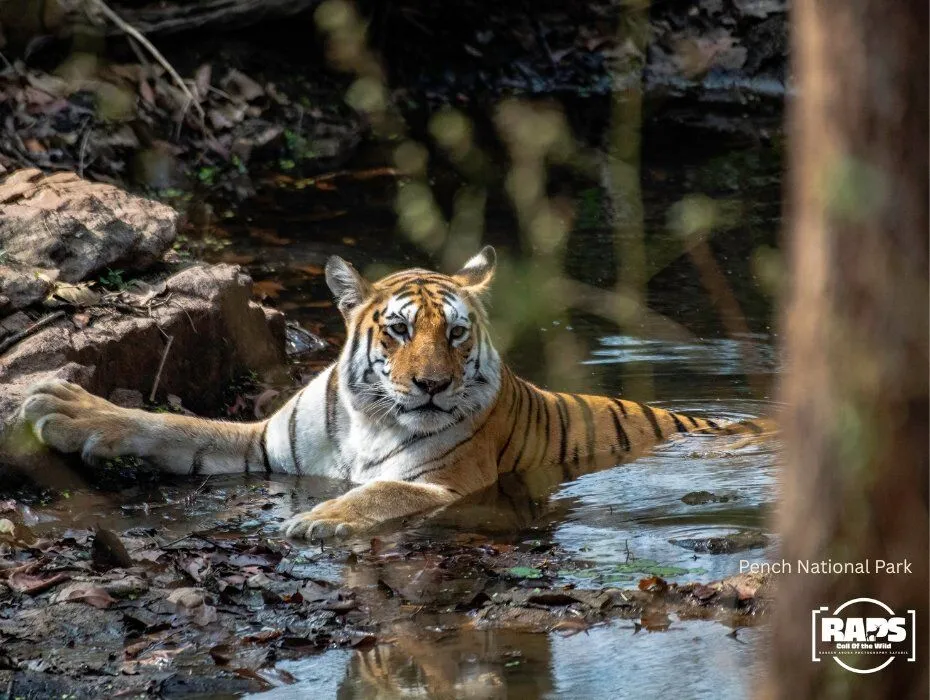
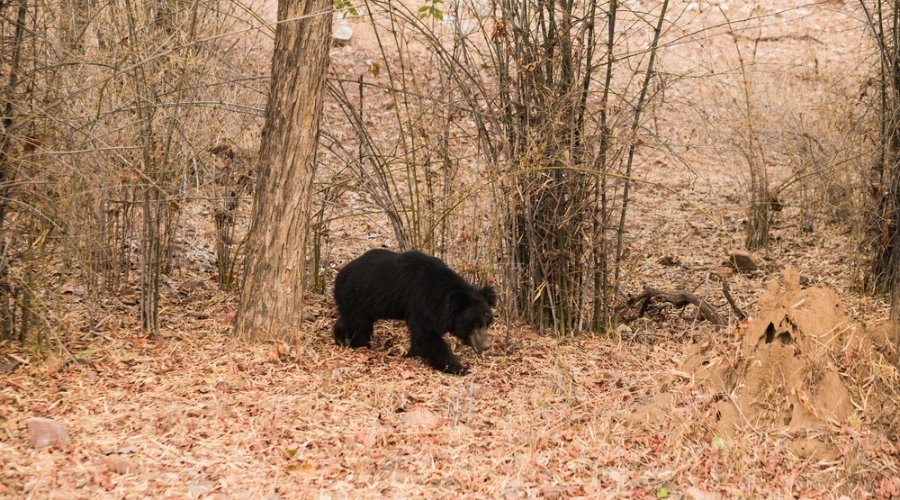
The tigress settles onto exposed laterite outcrop at Telia Lake’s edge—Choti Tara, daughter of the legendary Maya, surveying territory her mother dominated across thirteen years before mysterious disappearance left kingdom contested. Fifty metres distant, shaggy movement catches peripheral vision: sloth bear overturning termite mound methodically, claws raking through hardened earth releasing insects consumed with vacuum-snout efficiency creating sounds audible across morning stillness. This convergence—tiger and sloth bear appearing simultaneously, apex predators and specialized omnivores coexisting within Tadoba’s 1,727-square-kilometre dry deciduous ecosystem—explains why Australian photographers from Australia to India increasingly choose RAP Safaris for mastering both species: sometimes the most compelling wildlife photography emerges from reserves supporting dual charismatic megafauna where fifteen years’ expertise transforms challenging dual-subject safaris into systematic documentation of Maharashtra’s premier tiger reserve where 95 tigers and substantial bear populations create encounters rivaling anywhere globally.
Welcome to Tadoba Andhari Tiger Reserve—where teak forests meet grassland maidans creating habitat where tigers and sloth bears both thrive, where RAP Safaris guidance unlocks photographic opportunities only reserves achieving conservation success across multiple apex species deliver.
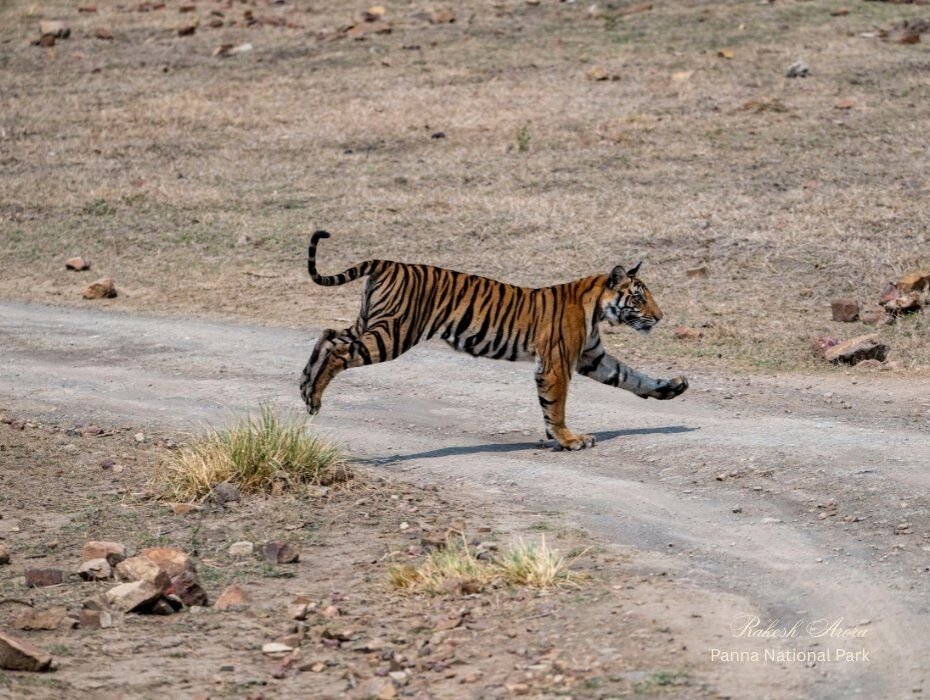
Understanding why Tadoba excels for dual-species photography begins with recognizing ecological factors enabling tiger and sloth bear populations thriving simultaneously. The 2024 camera trap survey documented 95 individual adult tigers—highest recorded count in reserve history, representing tiger density of 7.18 per 100 square kilometres. This extraordinary population recovery validates decades’ protection transforming Tadoba from unknown reserve into Maharashtra’s conservation flagship.
But what distinguishes Tadoba photographically: exceptional sloth bear populations appearing reliably alongside tigers creating portfolio diversification impossible single-species reserves. Sloth bears, with their distinctive shaggy coats, curved claws, and vacuum-snout adaptations for termite consumption, utilize Tadoba’s forests extensively. Unlike many reserves where bears remain elusive, Tadoba delivers encounters approaching tiger frequency—particularly during termite mound feeding seasons when bears appear grassland edges creating compositions showing both apex predator and specialized omnivore within single ecosystem context.
The coexistence operates through niche partitioning. Tigers, obligate carnivores, hunt ungulates—chital, sambar, wild boar. Sloth bears, primarily insectivorous, target termites, ants, honey, fruits. This dietary separation prevents competition. Spatially, both utilize overlapping territories but temporal patterns differ: tigers hunt dawn/dusk when ungulates feed actively; bears forage throughout day including midday hours tigers typically avoid.
For RAP Safaris photographers, this means safari strategies targeting both species simultaneously rather than choosing between. Our guides position cameras where termite mounds concentrate near tiger territories allowing potential dual encounters single safaris.
Tadoba tiger photography carries emotional weight extending beyond technical documentation. The reserve’s most famous resident, Maya (T-12), ruled Pandharpauni area across thirteen years producing five litters before mysterious disappearance left conservationists fearing death yet unable confirming without remains. Her daughter Choti Tara continues maternal lineage, while other territorial females—Bijrani, Sonam, Lara—demonstrate genetics’ successful propagation across generations.
The technical advantages Tadoba delivers prove exceptional. Sighting rates consistently exceed 90 percent across 4-6 safaris—extraordinary probability reflecting high tiger density combined with relatively open dry deciduous forest structure allowing visibility exceeding dense sal forests elsewhere. The teak-bamboo landscape creates clean backgrounds photographically: vertical trunks providing compositional rhythm, bamboo thickets creating foreground depth, grassland maidans offering unobstructed sightlines when tigers traverse between forest patches.
RAP Safaris expertise manifests through territorial knowledge acquired across fifteen years tracking specific individuals. Our naturalist Prakash recognizes Choti Tara’s movement patterns inherited from Maya—she utilizes specific water pools mid-morning, crosses particular forest roads connecting territories, rests under distinctive banyan tree during afternoon heat. This intimate familiarity allows positioning photographers anticipating encounters rather than hoping random routes deliver sightings.
The tiger behavior Tadoba demonstrates—diurnal activity unusual for wild populations elsewhere—extends photography windows beyond typical dawn/dusk restrictions. Midday encounters happen regularly: tigers relocating between shade patches, drinking at lakes, even hunting when opportunity presents despite heat. This extended activity pattern, combined with habituated tolerance allowing vehicle approaches fifteen-to-twenty metres, explains Tadoba’s reputation producing portfolio images matching Africa’s famous reserves.
Sloth bear photography demands different techniques than tiger work. These omnivores, though large (males reaching 140 kilograms), move differently than predatory felines—shambling gaits, frequent pauses sniffing termite mounds, that peculiar vacuum-snout feeding creating audible slurping photographers must record alongside visuals.
The primary challenge: predicting appearances. Unlike tigers whose territorial patterns guides track intimately, sloth bears range widely following seasonal food sources. Termite emergence patterns, fruit ripening cycles, honey availability—these determine bear movements more than static territories. RAP Safaris naturalists compensate through phenomenological knowledge: they recognize which months termite activity peaks (typically March-May dry season when mounds dry facilitating excavation), know which tree species fruit attracting bears, and identify honey-rich zones where bears climb despite poor vision risking falls for sweet rewards.
The photographic approach adapts necessarily. Bears appearing suddenly from undergrowth demand readiness: cameras preset appropriate settings rather than adjusting when subjects emerge. The shaggy coat—black hair growing 15-20 centimetres creating distinctive silhouette—requires different exposure than tiger’s striped pattern. The coat absorbs light creating subjects rendering darker than backgrounds unless exposure compensation adds 1/3 to 2/3 stop maintaining fur detail.
The behavioral sequences sloth bears display create narrative opportunities tiger photography rarely provides. Termite feeding continues twenty-to-thirty minutes allowing extended observation as bears methodically demolish mounds, vacuum snouts extracting insects with slurping sounds recorded via camera-mounted microphones. Mothers with cubs riding dorsally create family portraits impossible achieving with solitary tigers. Tree climbing—bears ascending searching fruits or honey—provides vertical compositions contrasting typical horizontal wildlife work.
RAP Safaris training emphasizes patience over pursuit with bears. These animals, though not aggressive typically, become dangerous when surprised or threatened. Maintaining respectful distance (minimum thirty metres), avoiding blocking escape routes, and reading body language—ears flattening, huffing vocalizations, mock charges—prevents conflict while allowing meaningful documentation.
Between dawn and afternoon safaris mastering Tadoba’s dual species, the reserve’s position within Vidarbha region introduces cultural restoration matching wildlife intensity. The cuisine particularly—Saoji food representing Maharashtra’s spiciest preparations—offers sustenance between photography sessions while testing spice tolerance limits.
Saoji cuisine originated with Halba Koshti weaver community migrating Nagpur 1877 working Empress Mills Jamshedji Tata established. Their women created distinctive masala blending 32+ spices—black pepper, cinnamon, cloves, cardamom, poppy seeds, bay leaves, dried coconut—into fiery preparations earning Saoji reputation as Maharashtra’s spiciest food surpassing even Kolhapuri cuisine’s heat.
Saoji Mutton Rassa represents signature dish: mutton slow-cooked in intensely spiced gravy thickened with jowar (sorghum) flour creating viscosity coating meat completely. The heat builds progressively—initial bite delivers warm complexity, subsequent mouthfuls escalate into genuine fire requiring accompaniment of jowar bhakri (sorghum flatbread) or rice moderating intensity. Saoji Chicken follows similar template: bone-in chicken simmered until tender, gravy concentrated through reduction, spicing aggressive yet balanced preventing numbing monotone heat favoring layered complexity.
These meals, consumed at Nagpur’s simple Saoji bhojanalayas between safaris or lodge dining rooms near Tadoba, become ritual as important as wildlife documentation. The food carries stories—communities adapting through migration, cooking traditions maintaining identity across generations, and that peculiar Maharashtra tendency creating extreme regional variations within single state’s culinary heritage.
For Australian photographers reaching Tadoba from Australia, logistics flow through Nagpur—Maharashtra’s winter capital 140 kilometres distant, approximately two-to-three hours’ drive. Nagpur’s Dr. Babasaheb Ambedkar International Airport receives domestic flights from Delhi, Mumbai, Bangalore connecting international arrivals. Alternatively, Chandrapur Railway Junction (45 kilometres) provides rail access.
Tadoba operates October through June with monsoon closures July-September. October-November delivers comfortable post-monsoon conditions with lush vegetation. December-February provides moderate temperatures (10-28°C) and consistent sightings. March-June sees climbing heat (approaching 47°C) but offers advantages: thinning vegetation dramatically improving visibility, wildlife concentrating at water sources, and absolute peak sighting probabilities as summer stress drives both tigers and bears toward reliable water.
The core zones—Moharli, Kolara, Navegaon—operate through competitive online booking requiring advance planning. Moharli particularly favored for tiger photography given Maya’s legacy and current territorial females’ reliable appearances. Buffer zones increasingly deliver excellent encounters while maintaining lower vehicle density creating uncrowded photography opportunities.
Accommodation clusters around multiple gates offering options spanning budget guesthouses to premium eco-lodges. Properties like Svasara Jungle Lodge and Waghoba Eco Lodge combine comfort with proximity, offering naturalist-guided safaris and evening programs exploring tribal heritage. Many lodges accommodate solo travelers and women-only groups, recognizing serious wildlife photography attracts independent practitioners regardless of demographics.
The RAP Safaris advantage manifests through zone allocation expertise, relationships with forest departments securing optimal permits, and that accumulated wisdom transforming three-day visits into concentrated mastering experiences with both apex species rather than hoping random luck delivers portfolio images.
Ultimately, mastering tiger and sloth bear photography in Tadoba with RAP Safaris represents commitment to photographic range valuing diversity over specialization, ecosystems over individual species, and understanding that India’s most rewarding reserves support multiple charismatic megafauna creating portfolio depth impossible single-species destinations.
When Choti Tara emerges from teak forest continuing mother Maya’s territorial claim, when sloth bear demolishes termite mound creating feeding sequence revealing specialized adaptations, when your memory cards document not merely cats individually but ecosystem where predators and specialized omnivores coexist proving wilderness operates through complexity exceeding simple hierarchies—you understand why Tadoba’s apex species photography rewards those investing expertise rather than hoping luck suffices.
The tigers patrol territories generations claimed. The bears forage following seasonal rhythms predating human observation. And RAP Safaris continues curating encounters—expedition after expedition—for those recognizing that sometimes wildlife photography’s greatest privilege involves mastering not single species but ecological relationships where apex cats and specialized omnivores demonstrate that diversity, not dominance, defines healthy wilderness continuing function despite human proximity across Maharashtra’s forests where conservation meets commitment creating Tadoba’s extraordinary success story written across 95 tigers, thriving bear populations, and photographers arriving from Australia discovering that sometimes the best safaris deliver not one magnificent species but two.
Nine days on the Chobe River aboard custom photographic boats — elephant herds by the hundred — finishing at Victoria Falls.
Explore the Chobe Safari