March 29, 2026
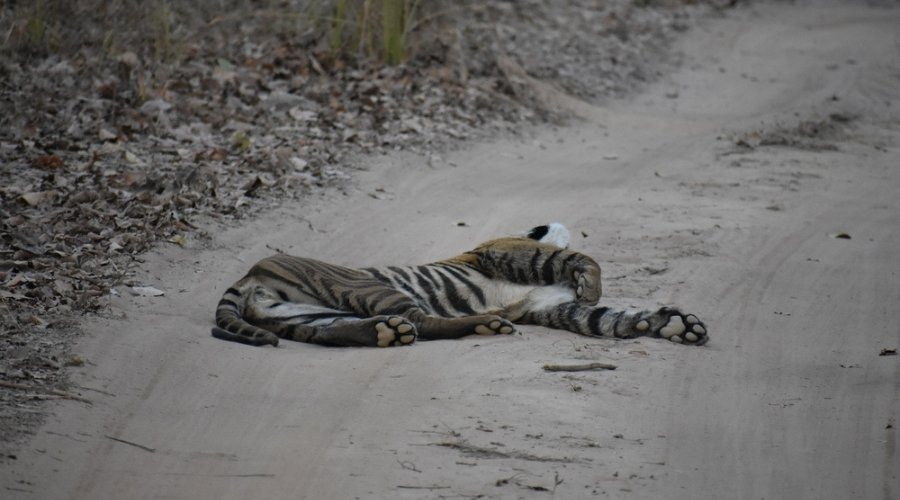
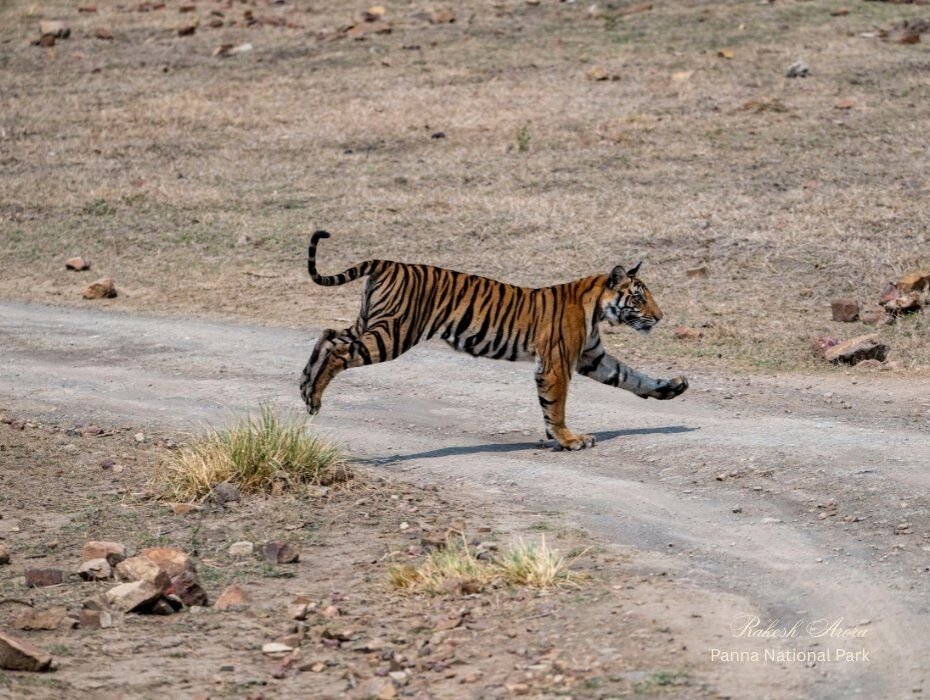
The tigress settles onto sun-warmed stone beneath Rajbagh palace ruins—same pavilion her great-grandmother Machli favored, same territorial waters her mother Arrowhead defended until June 2025, same Rajasthan heartland where matrilineal Bengal Tiger dynasty spanning four generations proves that sometimes royalty isn’t merely metaphor but measurable reality. This is Riddhi (T-124), current Queen ruling zones where architectural grandeur meets apex predator lineage, and Australian photographers from Australia to India seeking authentic tiger encounters increasingly choose RAP Safaris precisely because fifteen years tracking Ranthambhore’s tigresses creates knowledge transcending mere guiding into actual intimacy with specific individuals, their territories, their behaviors, their stories carrying weight beyond beauty into genuine heritage documentation.
Welcome to the queendom where female tigers inherit territories like Rajput princesses claimed thrones—where chasing these magnificent predators means understanding genealogy as thoroughly as ecology, where RAP Safaris expertise transforms random sightings into encounters with royalty whose bloodlines photographers track across decades rather than mere days.
Understanding Ranthambhore’s Queen requires recognizing extraordinary matrilineal succession rarely documented anywhere globally. The dynasty began with Machli (T-16)—born 1997, died August 2016—who earned “Queen of Ranthambhore” designation through nineteen years dominating prime territories around Rajbagh and Padam Talao lakes. She wasn’t merely successful tiger; she was phenomenon: most photographed wild tiger globally, first feline appearing on Indian postage stamp, recipient of lifetime achievement awards typically reserved for humans. Her famous crocodile kill in 2003—fourteen-foot marsh crocodile conquered after epic battle costing Machli canine teeth—established legend continuing beyond her death.
But Machli’s legacy transcends personal achievements into biological dynasty. Her daughter Krishna (T-19) inherited territories 2016, ruling until February 2023 death aged approximately seventeen years. Krishna proved worthy successor: producing multiple litters, maintaining territorial dominance, and passing genetic lineage forward through daughter Arrowhead (T-84), born 2014 to Krishna and the majestic Star Male (T-28).
Arrowhead’s reign brought additional glory: inheriting her grandmother’s crocodile-hunting prowess (documented killing crocodile merely week before her June 2025 death from bone cancer aged eleven), producing four litters including famous sisters Riddhi and Siddhi, and maintaining unwavering territorial claim on ancestral lands despite displacement attempts and territorial challenges.
Now Riddhi rules—fifth generation descending from Machli, current Queen of Rajasthan’s most photogenic zones, embodying that peculiar confluence where biological success meets photographic accessibility meets genuine royal bearing evident in posture, territorial confidence, and that ineffable quality separating merely dominant tigers from actual queens.
For RAP Safaris clients, this genealogy isn’t academic trivia—it’s living narrative we’ve tracked across fifteen years. When positioning cameras capturing Riddhi beneath Rajbagh chattris, we’re documenting continuation of dynasty we photographed through Machli’s final years, through Krishna’s reign, through Arrowhead’s triumph and tragedy, into present where next generation writes chapters we’ll witness unfold.
What distinguishes RAP Safaris from generic Ranthambhore operators: our naturalists don’t merely know tigers exist in zones—they recognize individuals, understand lineages, track behaviors across years rather than safaris, and position photographers capturing not anonymous orange forms but specific tigresses whose stories we’ve followed intimately.
Our guide Vijay has tracked Machli’s lineage since 2010. He remembers Krishna as confident three-year-old establishing independence from mother. He watched Arrowhead grow from playful cub into formidable huntress. He documented Riddhi’s territorial dispute with mother and sister—that fierce struggle earning Riddhi reputation matching great-grandmother’s boldness. This accumulated knowledge transforms safaris: when Vijay positions jeeps specific locations specific times, it’s because he knows Riddhi’s movement patterns inherited from Arrowhead, knows which water sources she favors during different seasons, and understands territorial boundaries she defends against sister Siddhi with Machli-esque ferocity.
The photography advantages this provides prove invaluable. Rather than driving zones hoping random encounters, RAP Safaris expeditions target locations where specific queens appear predictably. Riddhi utilizes Rajbagh palace vicinity regularly—we position there dawn catching her emerging from overnight rest. She drinks Padam Talao late afternoon—we secure elevated vantage points capturing reflections doubling her form against lake’s mirror surface. She crosses stone bridge connecting palace remnants—we wait positioned capturing architectural frames impossible achieving through wandering.
This specificity—knowing not merely that tigers exist but that Riddhi specifically occupies these exact territories, displays these precise behaviors, and appears these predictable locations—separates RAP Safaris experiences from generic safaris where guides know forests generally but individual tigers remain anonymous.
Chasing Bengal Tigers with RAP Safaris involves technical preparation matching Ranthambhore’s unique conditions and these specific tigresses’ behavioral patterns. The queens’ tendency utilizing architectural elements—lounging under domes, drinking at palace lakes, crossing heritage bridges—creates compositional scenarios demanding different approaches than typical forest photography.
The framing techniques RAP Safaris teaches emphasize utilizing Ranthambhore’s ruins as natural compositional elements. When Riddhi appears near Rajbagh palace, we position capturing her through jharokha windows or between sandstone pillars creating frames-within-frames. The chhoti chattri’s dome and supporting pillars create vertical rhythms we use compositionally—tiger positioned beneath dome creates shelter suggestion while pillars echo her stripes creating visual coherence.
The exposure challenges Ranthambhore presents—bright sandstone architecture against darker tiger coat—demand manual override. Camera meters fooled by bright backgrounds underexpose tigers into shadow unless photographers spot-meter subjects specifically then compensate appropriately. RAP Safaris naturalists teach this explicitly: meter tigress, underexpose slightly maintaining highlight detail in stone, accept some background brightness as inevitable compromise creating high-key aesthetic characteristic of best Ranthambhore photography.
The focal length selection for queen photography differs from dense-forest reserves. Ranthambhore’s relatively open deciduous structure and habituated tigers allowing close approaches reward 300-400mm ranges capturing environmental context. Frame-filling portraits prove dramatic, but Ranthambhore’s uniqueness emerges through compositions showing queens within architectural legacy—tigress and chattri, predator and palace, Riddhi continuing dynasty where stones remember Machli’s reign.
The behavior these specific tigresses display—diurnal activity unusual for wild tigers, tolerance allowing extended observations, utilization of water features creating reflection opportunities—creates photography windows RAP Safaris schedules strategically. Midday encounters happen regularly when queens seek shade or drink at lakes. We don’t merely hope catching these moments; we position anticipating them based on years observing patterns.
Between dawn and afternoon safaris chasing Ranthambhore’s queens, the broader Rajasthan context enriches experiences beyond wildlife documentation. The cuisine particularly—royal Rajput preparations reflecting warrior heritage and desert adaptation—complements narrative where tigresses inherit territories like maharanis claimed kingdoms.
Dal baati churma represents Rajasthani soul: spiced lentils paired with ghee-soaked wheat balls creating sustenance warriors needed campaigning across arid landscapes. Laal maas—fiery mutton curry colored blood-red by Mathania chillies—delivers intensity matching desert itself. Gatte ki sabzi, gram flour dumplings in tangy yogurt gravy, provides vegetarian richness. Ker sangri combines dried desert berries and beans creating complexity from ingredients suited conditions where conventional produce proved scarce.
These meals, consumed between photography sessions at properties near Sawai Madhopur, become cultural education matching biological documentation. The food carries stories—traditions shaped by water scarcity, royal kitchens elevating cooking into art, communities maintaining practices connecting present to Rajput heritage predating even Machli’s nineteen-year reign.
The architectural ruins where queens rule carry similar weight. These aren’t merely photographic backdrops—they’re actual palaces where actual royalty hunted, ruled, and died. The irony proves delicious: human kingdoms fell, maharajas became memories, yet tiger matriarchy persists. Riddhi rules territories outlasting dynasties commanding armies. The queens inherited what princes lost.
For Australian photographers reaching Ranthambhore from Australia, logistics flow through Jaipur—Rajasthan’s capital 160 kilometres distant, approximately three hours’ drive. Alternatively, trains from Jaipur to Sawai Madhopur Junction require just two hours, with railway station sitting eleven kilometres from sanctuary gates.
Ranthambhore operates October through June with Wednesday closures. November through February delivers optimal conditions: comfortable temperatures (10-25°C), active wildlife, crisp winter light. March through June sees climbing temperatures (approaching 40°C) but offers advantages: thinning vegetation dramatically improving visibility, tigers concentrating at water sources, highest sighting probabilities.
Zone 3—containing Rajbagh Lake, Raj Bagh palace ruins, and Padam Talao—remains most sought-after for queen photography as Riddhi’s primary territory. Zones 4 and 5 also access significant ruins while maintaining healthy tiger populations. RAP Safaris coordinates zone allocation, securing permits maximizing encounter probability with specific tigresses clients seek photographing.
Accommodation clusters around Sawai Madhopur spanning budget guesthouses to premium resorts. Properties like Oberoi Vanyavilas, Aman-i-Khas, and Taj’s Sher Bagh combine luxury with proximity. Many lodges accommodate solo travelers and women-only groups, recognizing serious wildlife photography attracts independent practitioners regardless of demographics—particularly appropriate given Ranthambhore’s matriarchal tiger society where female power isn’t exception but governing principle.
The RAP Safaris difference manifests through intimate knowledge transforming three-day visits into concentrated encounters with royalty rather than hoping random luck delivers portfolio images featuring anonymous tigers.
Ultimately, chasing Bengal Tigers in Rajasthan with RAP Safaris represents commitment to depth over breadth, intimacy over anonymity, and understanding that sometimes the most powerful wildlife photography emerges from tracking specific individuals across years rather than merely collecting species across reserves.
When Riddhi settles beneath that chattri—same stones supporting Machli’s regal form twenty years prior, same territories Arrowhead defended until final breath June 2025, same queendom passing mother to daughter across generations we’ve documented photographically—you understand why RAP Safaris methodology prioritizes knowledge over chance. The Queen doesn’t merely occupy territory; she inherits legacy. And photographers who’ve invested fifteen years tracking this dynasty don’t merely guide safaris; they curate encounters with royalty whose bloodlines we’ve followed from legendary Machli through current Queen Riddhi, with future generations we’ll document as dynasty continues writing chapters across Ranthambhore’s architectural stages where wilderness and heritage collapse into single narrative proving that sometimes, genuinely, royalty rules wild.
Nine days on the Chobe River aboard custom photographic boats — elephant herds by the hundred — finishing at Victoria Falls.
Explore the Chobe Safari