March 22, 2026
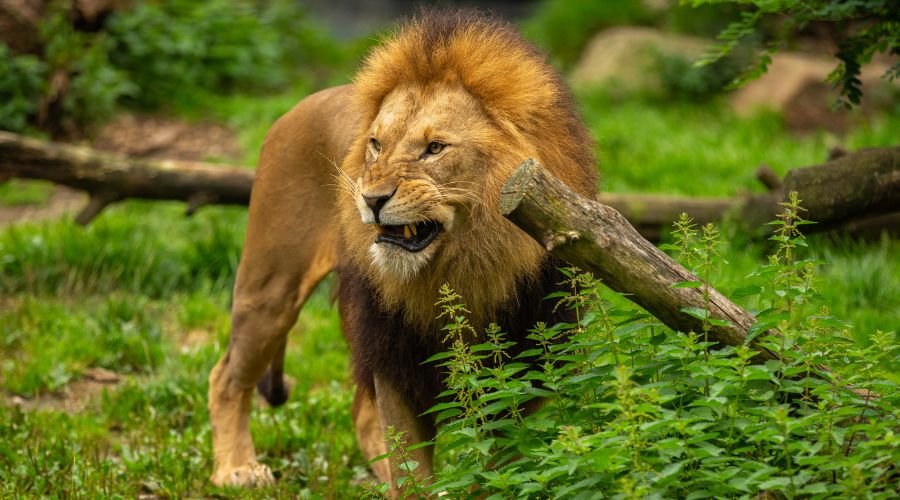
The male lion settles onto exposed rock outcrop seventy metres distant, his mane catching late afternoon sun. Unlike African lions whose manes obscure ears completely, this Asiatic male’s shorter, sparser mane frames his face while leaving ears visible subtle morphological difference distinguishing subspecies. He surveys territory: dry teak forest transitioning into grassland where chital graze unconcerned. This moment this photographic composition where apex predator and prey coexist in visible tension represents what brings Australian photographers from Australia to India specifically targeting Asiatic lions, the rarest lions on Earth, existing wild nowhere except Gujarat’s Gir ecosystem. After fifteen years curating wildlife photography safaris across India, I can state definitively: photographing Asiatic lions delivers experiences rivaling often surpassing Africa’s celebrated Masai Mara and Serengeti, and Gir’s remarkable conservation success story, bringing populations from near-extinction to 891 individuals in 2025, proves that dedicated protection combined with community engagement creates outcomes benefiting both wildlife and people dependent on landscape.
This guide distills those fifteen years into practical wisdom helping Australian photographers document one of conservation’s greatest triumphs while experiencing Gujarat’s vibrant Saurashtra culture.
Understanding Asiatic lions begins with recognizing how close we came to losing them entirely. By early 1900s, hunting and habitat loss had reduced populations to perhaps twelve individuals all within Gir Forest, then the Nawab of Junagadh’s private hunting preserve. The British viceroys, ironically given colonial hunting’s role in the decline, pressured the Nawab toward protection. He established sanctuary. India’s independence brought government stewardship. In 1965, Gir National Park formalized protection across 259 square kilometres.
The recovery trajectory tells remarkable story: 177 lions in 1968 when systematic counts began. 359 by 2005. 411 in 2010. 523 in 2015. 674 in 2020. And now, according to the May 2025 census, 891 individuals comprising 196 males, 330 adult females, 140 sub-adults, and 225 cubs. This represents 32 percent increase in just five years population growth validating protection protocols, prey base management, and that crucial element often underappreciated: community tolerance allowing lions ranging beyond sanctuary boundaries into agricultural landscapes, coastal zones, and revenue lands across 35,000 square kilometres.
The March 2025 launch of Project Lion a ₹2,900 crore initiative approved by Prime Minister Modi signals government commitment extending protection into future generations. This investment funds habitat enhancement, human-wildlife conflict mitigation, satellite population development, and infrastructure ensuring Gir’s lions continue thriving despite increasing proximity to human settlements.
For photographers, this conservation success creates extraordinary opportunities: healthy, breeding populations displaying natural behaviours, satellite populations in less-visited reserves like Barda and Girnar offering alternative destinations, and that profound satisfaction knowing every safari directly supports conservation through permit fees and community employment.
Asiatic lion photography in Gir demands different approaches than African counterparts. Gir’s landscape dry deciduous forest dominated by teak, acacia, and thornscrub with grassland maidans creates habitat where visibility operates differently than Serengeti’s endless plains. Lions utilise cover. Encounters often happen forest edges, riverbed crossings, or when prides settle onto rocks after feeding.
The sighting probability, based on our safari records across hundreds of trips, averages 70-80 percent over three-day visits comprising six safaris. This compares favorably against many tiger reserves. But sightings vary: some safaris deliver extended observations with prides lounging roadside for hours; others yield brief glimpses as lions cross tracks heading into dense cover. Accepting this variability prevents disappointment while maintaining receptivity to extraordinary encounters when they occur.
Technical considerations shape success. Gir’s vegetation density rewards longer focal lengths 500mm minimum, 600mm preferred allowing adequate working distance when lions appear at forest margins. The dry season (December-May) provides better visibility as foliage thins, though temperatures climb uncomfortably by April-May. Winter months (December-February) deliver comfortable temperatures (15-28°C) and active wildlife behaviour.
The light quality differs from tiger photography in central India’s sal forests. Gir’s more open canopy admits stronger midday light creating harsh contrasts. Morning and evening safaris remain optimal, but midday sessions occasionally deliver when lions move to water sources or relocate between shade patches. The golden hour transforms Gir’s ochre landscape teak bark, sandstone outcrops, dry grass into warmly-lit stages where lions photographed in this light glow with that peculiar golden quality endemic to Gujarat’s dry forests.
Vehicle positioning requires patience and communication with guides. Unlike some reserves where aggressive drivers jostle for proximity, Gir’s safari protocol emphasizes respectful distance. Lions displaying stress signals tail lashing, ear flattening, vocalizations require vehicles backing off. This protection-first approach sometimes frustrates photographers seeking frame-filling shots, but it’s fundamental to habitats maintaining naturally-behaving lions rather than merely tolerant subjects.
While Asiatic lions anchor Gir’s appeal, the ecosystem harbours biodiversity extending far beyond signature species. The reserve supports approximately 300 leopards extraordinary density coexisting with lions through spatial and temporal partitioning. Leopards utilize different prey, hunt different times, and maintain territories overlapping yet distinct from lion ranges.
The ungulate base chital, sambar, nilgai, four-horned antelope, and chinkara creates constantly moving subjects. Chital particularly, moving in herds sometimes numbering hundreds, provide action opportunities as they flee predator approaches or graze cautiously in maidans. The four-horned antelope, endemic to India, offers portfolio uniqueness impossible achieving Africa’s plains.
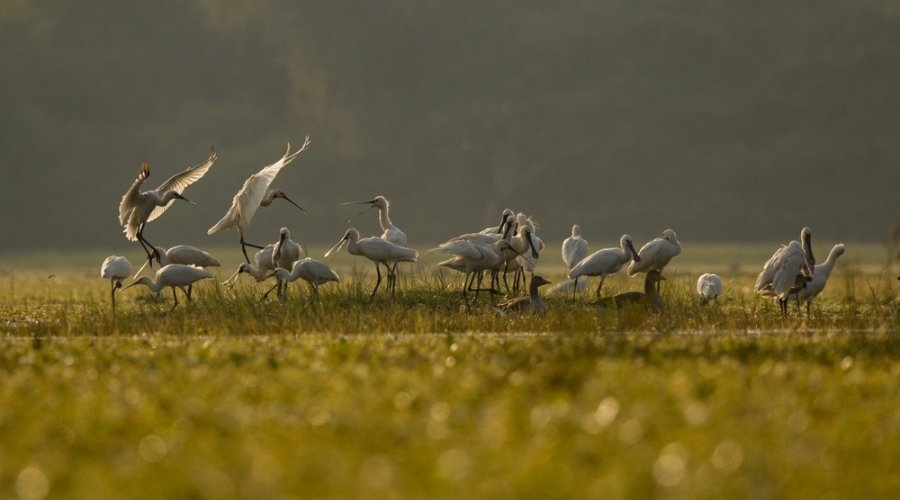
Bird photography in Gir rewards specialist practitioners. Over 300 species documented include Indian pitta, crested serpent eagle, Malabar pied hornbill, and numerous vulture species. The Kamleshwar Dam and other water bodies attract resident and migratory waterfowl. For photographers combining big cats with avian subjects, Gir delivers diversity rivaling dedicated birding destinations.
The marsh crocodiles (muggers) inhabiting rivers and reservoirs create additional photographic opportunities. These substantial reptiles, re-introduced through conservation programs, now thrive across Gir’s water bodies, often photographed basking on banks or swimming in proximity to lions drinking at pools.
Between dawn and afternoon safaris, Gir’s position within Saurashtra’s Kathiawadi region introduces cultural dimensions enriching wildlife experiences. The cuisine particularly spicier, more robust than typical sweet-dominant Gujarati fare—reflects semi-arid geography through ingredients adapted to harsh conditions.
Bajra no rotlo, thick millet flatbread cooked on earthen griddle then finished over open flame creating characteristic blisters, represents staple grain suited to low-rainfall agriculture. Ringna no oro chargrilled eggplant mashed with garlic, tomatoes, and green chillies delivers smoky, spicy preparation characteristic of Kathiawadi cooking. Sev tameta nu shaak combines tangy tomato curry with crunchy chickpea flour sev adding textural contrast. Lasaniya bataka, literally “garlic potatoes,” lives up to its name through aggressive garlic quantities combined with red chillies creating intensely flavoured dish.
Unlike mainstream Gujarati thalis emphasizing sweetness, Kathiawadi meals embrace bold spicing, garlic intensity, and that rustic heartiness reflecting agricultural communities adapting to challenging environment. These preparations, consumed at Sasan Gir town restaurants or lodge dining rooms, become cultural education as important as wildlife documentation.
The Maldhari pastoral communities semi-nomadic livestock herders living within Gir since pre-sanctuary times add human dimensions to conservation narratives. Their traditional presence and gradual relocation outside core zones represent ongoing negotiations between wildlife protection and cultural rights. Visiting their settlements (where permitted) or purchasing handicrafts supports livelihoods increasingly dependent on tourism rather than traditional pastoralism.
For Australian photographers reaching Gir from Australia, logistics flow through either Rajkot (160 kilometres, 3.5 hours’ drive) or Ahmedabad (330 kilometres, 6 hours). Rajkot’s airport receives domestic connections from Mumbai, Delhi, and Bangalore. Ahmedabad provides international access with direct flights from several Gulf hubs frequented by Sydney and Melbourne departures.
The nearest railway station, Sasan Gir, sits just seven kilometres from sanctuary gates, connected via train network from Ahmedabad, Rajkot, and Junagadh. This rail access provides scenic overland option for photographers tolerant of Indian Railways’ timing flexibility.
Gir operates October through mid-June, closing during monsoon. December through March delivers optimal conditions: comfortable temperatures, active wildlife, minimal rainfall. April-May sees climbing temperatures (approaching 40°C) but offers advantages thinning vegetation, wildlife concentrating at water sources, and reduced tourist pressure as peak season concludes.
Accommodation ranges from budget guesthouses in Sasan Gir town to mid-range properties near sanctuary gates to premium lodges like Gir Birding Lodge and Aramness combining luxury with proximity. Many properties now accommodate solo travellers and women-only groups, recognising serious wildlife photography attracts independent practitioners seeking depth over packaged tours.
Safari booking operates through Gujarat Forest Department online portal. Advance reservation proves essential during peak season (December-February) when permits sell quickly. The system allocates zones randomly to distribute pressure across Gir’s territory. Photography-focused visitors should book multiple safaris (six minimum across three days) maximising encounter probability.
Ultimately, photographing Asiatic lions transcends merely adding impressive species to portfolios. It’s documenting conservation triumph evidence that dedicated protection, government commitment, and community partnership can resurrect species from extinction’s precipice. When that pride settles onto granite outcrop, when the male’s gaze meets your lens, when you capture frame showing apex predator thriving in landscape where humans and wildlife coexist despite challenges you’re witnessing what many believed impossible mere decades ago.
After fifteen years leading photography safaris across India, after thousands of hours tracking tigers, leopards, and lions, I maintain absolute conviction: Gir represents one of conservation’s greatest achievements and one of photography’s most rewarding destinations. The Asiatic lions waited centuries for appreciation matching their magnificence. They nearly disappeared before receiving it. Now they thrive 891 strong and growing testifying to what becomes possible when protection meets commitment.
The lions patrol their territories. The ecosystem sustains their needs. And photographers arrive from Australia, from across continents, documenting not merely wildlife but hope tangible proof that extinction needn’t be inevitable, that recovery remains possible, and that sometimes against all odds, conservation actually wins.
Nine days on the Chobe River aboard custom photographic boats — elephant herds by the hundred — finishing at Victoria Falls.
Explore the Chobe Safari