India Travel Tours From Australia - Adventure | Oceania

India Travel Tours From Australia - Adventure | Oceania
February 21, 2026
You’ve spent months dreaming about that first encounter with a wild Bengal tiger. You’ve watched the documentaries, scrolled through Instagram posts from Bandhavgarh, and decided this is the year you finally experience India’s incredible wildlife. Now comes the critical question: do you piece together a DIY adventure or book a guided wildlife tour? And if you’re choosing the guided route, how do you actually do it properly from Australia?
Let me be straight with you. I’ve seen both approaches play out dozens of times, and the difference between a guided wildlife tour and a self-planned safari in India isn’t just about convenience; it’s about whether you actually see the wildlife you’ve travelled halfway across the world to witness.
Here’s what happens when you attempt to organise an Indian wildlife safari independently. You’ll spend hours researching permit systems that vary wildly between parks. You’ll navigate booking websites that crash during peak season. You’ll attempt to hire naturalist guides without knowing which ones actually understand animal behaviour versus which ones simply know how to drive a jeep. And most critically, you’ll miss the subtle signs that experienced guides read instinctively: the alarm calls, the pug marks, the shift in wind direction that means a tiger’s nearby.
Indian national parks aren’t like our accessible reserves back home, where you can rock up and self-drive through clearly marked routes. Parks like Bandhavgarh and Kaziranga operate on strict zone systems, limited daily permits, and complex booking windows that open months in advance. Miss that window? You’re out. Book the wrong zone during the wrong season? You’ve just spent thousands of dollars on mediocre wildlife sightings.
The permit system alone deserves its own paragraph. Bandhavgarh, for instance, is divided into multiple zones with varying tiger densities and terrain types. Some zones consistently deliver sightings; others serve primarily as buffer areas. Without local knowledge, you’re essentially gambling. Kaziranga’s vast grasslands require understanding which ranges hold the highest rhino concentrations and how elephant movements shift throughout the day. This isn’t information you’ll find reliably on TripAdvisor.
A properly organised guided tour transforms the entire experience. From the moment you land in India, logistics simply work. Airport transfers arrive on time. Accommodation matches descriptions. Safari permits materialization without drama. But more importantly, you’re paired with naturalists who’ve spent years tracking these forests.
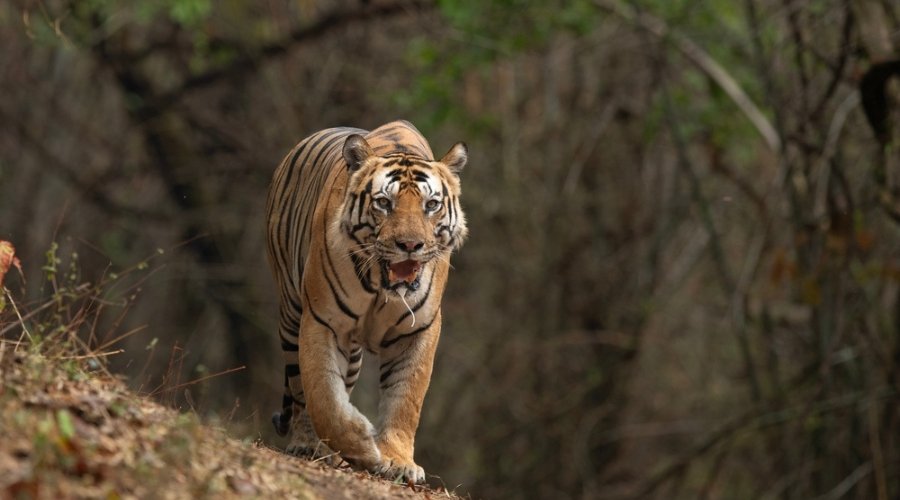
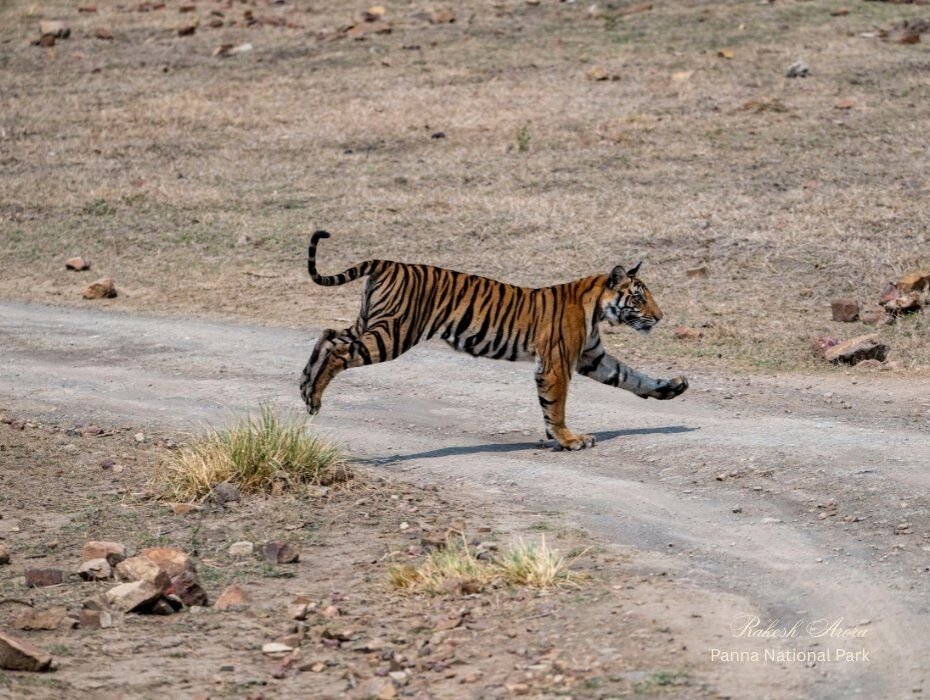
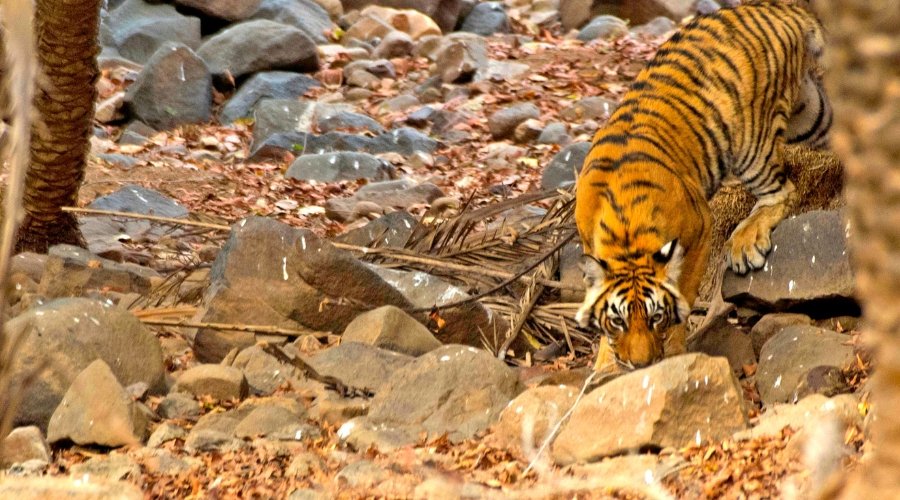
During my first guided tour to central India, our naturalist spotted a tiger’s fresh pug mark within the first hour. He read the forest’s language, langur alarm calls echoing from a distant ridge, peacock warnings resonating through sal tree,s and positioned our vehicle perfectly. Within twenty minutes, a massive male tiger crossed the track fifteen metres ahead of us. That’s not luck. That’s expertise you cannot download from a blog post.
Contrast this with a couple I met who’d self-organised their tiger safari. They’d secured permits, hired a driver, and spent three days in prime tiger territory. Total tiger sightings? Zero. Not because tigers weren’t present, but because they lacked the knowledge to interpret the forest’s signals. They’d driven past territorial marking sites without recognising them. They’d positioned incorrectly when alarm calls sounded. They’d essentially wandered through one of India’s premier tiger reserves, hoping to stumble upon a big cat through pure chance.
Established wildlife tour operators maintain relationships with forest departments, local guides, and lodge networks built over decades. These relationships matter enormously. When permits become scarce, connected operators secure them. When exceptional naturalist guides exist, quality operators retain them exclusively. When a tiger makes a kill or a rhino calf is born, these operators receive calls.
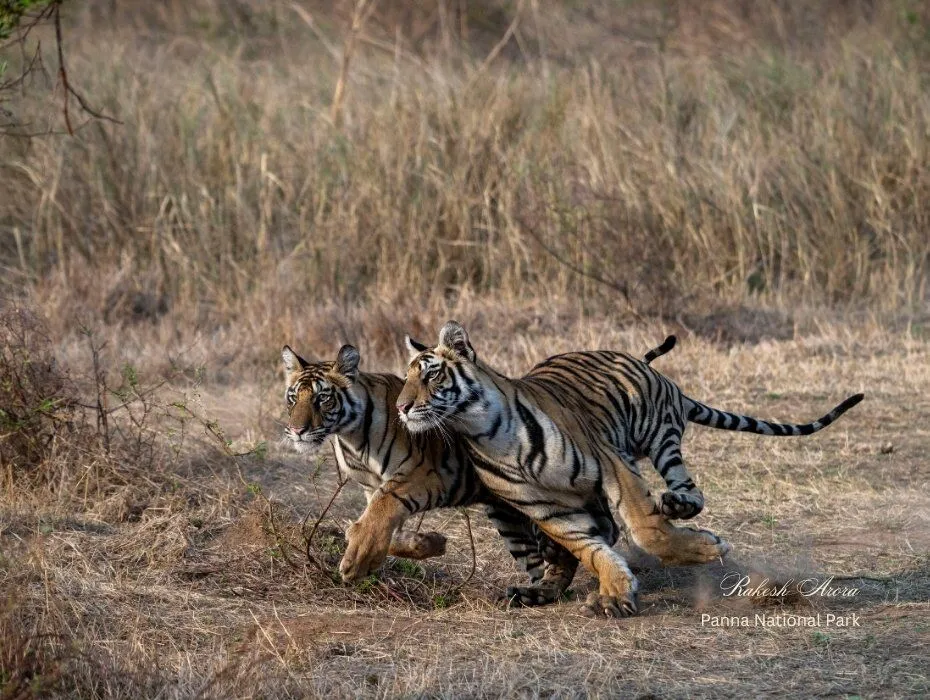
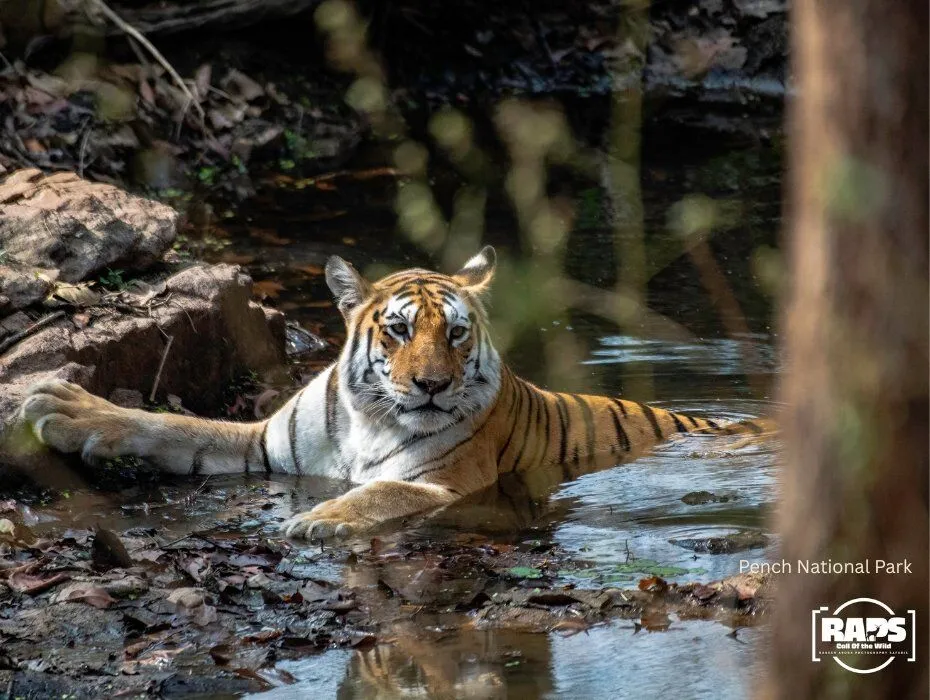
RAPS Safaris, for instance, works with naturalists who’ve been tracking Bandhavgarh’s tigers for fifteen-plus years. They know individual animals, understand territorial patterns, and recognise subtle behavioural cues that predict movement. This institutional knowledge cannot be replicated by independent travellers reading guidebooks.
Beyond big cats and wildlife expertise, guided tours handle the thousand small details that transform good trips into exceptional ones. They know which lodges genuinely prioritise conservation versus which ones simply market themselves cleverly. They understand dietary requirements and communicate them effectively across language barriers. They’ve vetted drivers who won’t speed through national parks disturbing wildlife for quick sightings. These details matter when you’ve travelled from Australia specifically to witness animals we simply don’t have at home.
Right, so you’re convinced guided makes sense. How do you book properly from halfway across the world? Start by forgetting generic travel booking platforms. Expedia and similar sites might list “tiger safari packages,” but they’re typically reselling products from operators they’ve never vetted, in parks they’ve never visited.
Instead, seek specialist wildlife tour operators with verifiable India expertise. Look for detailed park knowledge in their content-specific zone recommendations, seasonal wildlife movement patterns, and candid assessments of success rates. Generic marketing fluff about “majestic tigers” and “incredible India” suggests superficial knowledge. Detailed discussions about territorial ranges, prey density, and conservation challenges indicate genuine expertise.
Check their naturalist credentials thoroughly. Quality operators highlight their guides’ qualifications, experience levels, and specialisations. Anyone can hire drivers; employing trained naturalists with ecology backgrounds costs significantly more and delivers exponentially better results.
Read reviews specifically mentioning wildlife sightings and guide quality rather than hotel amenities. A tour operator might book you into luxurious lodges, but if their naturalists can’t find wildlife, you’ve missed the entire point.
Verify their conservation commitments beyond token gestures. Do they contribute to anti-poaching initiatives? Do they employ local communities? Do they limit group sizes to minimise disturbance? India’s wildlife conservation success tiger populations recovering from 1,400 to over 3,000 individuals, depends partly on responsible tourism revenue. Your booking should support this.
Once you’ve identified quality operators, booking online typically follows straightforward steps. Most specialist wildlife tour companies maintain detailed websites with specific itineraries, departure dates, and transparent pricing. You’ll find options ranging from fixed-departure group tours to fully customised private safaris.
Fixed departures work brilliantly for solo travellers or couples wanting to share costs. Private tours offer flexibility for families or photographers requiring specific timing and pace. Both work; it’s purely about preference and budget.
Expect to pay deposits upfront, typically 25-30,% with final payments due 60-90 days before departure. This isn’t unusual; it reflects the booking requirements for permits and quality accommodation. Any operator requesting full payment six months out should raise concerns.
Communication matters enormously. Quality operators respond thoroughly to questions about fitness requirements, photographic opportunities, equipment needs, and dietary accommodations. Vague responses or pressure to book immediately without detailed information? Red flags.
Let’s address pricing honestly. Quality guided wildlife tours to India cost substantially more than DIY attempts. You’re paying for expertise, relationships, premium accommodation, and small group sizes that actually allow proper wildlife viewing. Budget operators exist, but they typically compensate through larger groups, inexperienced guides, and lodges prioritising cost over location.
From Australia, expect seven to ten-day guided wildlife tours ranging from $4,000 to $8,000+ per person, excluding international flights. This might seem steep compared to self-organised trips, but calculate what you’d actually spend on permits, accommodation, transfers, guides, tips, and the gap narrows considerably. More importantly, calculate the value of actually seeing the wildlife you’ve travelled to witness.
India’s wildlife, Bengal tigers prowling sal forests, one-horned rhinos grazing Kaziranga’s grasslands, Asian elephants bathing in jungle stream,s exists nowhere near Australian shores. These are bucket-list animals requiring proper planning to witness successfully.
Guided wildlife tours eliminate the countless variables that sink independent safaris. They position you correctly, read the forest accurately, and maximise every precious moment in these incredible landscapes. Booking online through specialist operators means you’re supporting experienced teams who genuinely understand Indian wildlife rather than rolling the dice on generic tourism platforms.
The choice isn’t really about guided versus independent. It’s about whether you want to actually see the big cats and wildlife that make India extraordinary or simply visit the parks they inhabit. One approach delivers extraordinary encounters; the other delivers expensive disappointment.
From your laptop in Sydney or Melbourne, you can book the wildlife experience Australia simply cannot provide. The question is whether you’ll do it properly.