India Travel Tours From Australia - Adventure | Oceania

India Travel Tours From Australia - Adventure | Oceania
February 22, 2026
Let’s talk money. Not the polite dance-around-the-subject version, but the actual, realistic costs of spending two weeks tracking Bengal tigers and one-horned rhinos across India. Because here’s the thing, we Australians don’t have big cats, elephants, or rhinos wandering our landscapes. If we want to witness these incredible animals in the wild, we’re travelling halfway across the world, and that journey carries a genuine price tag.
I’ve watched countless friends delay their Indian wildlife dreams because they couldn’t pin down what it actually costs. The internet throws wildly conflicting numbers around. Budget bloggers claim you can do it for $3,000. Luxury operators quote $15,000+. Neither tells the complete story, and neither helps you make an informed decision about experiencing the wildlife Australia simply cannot offer.
So here’s the honest breakdown of what a two-week wildlife tour to India genuinely costs from Australia, covering everything from economy to luxury, and more importantly, what you actually get for your money.
For a comprehensive two-week wildlife tour from Australia covering multiple parks and quality accommodation, expect to invest between $6,500 and $14,000 per person. That’s not a small figure, but it represents the realistic cost of experiencing India’s extraordinary big cats and wildlife properly.
This range isn’t arbitrary. It reflects genuine differences in accommodation standards, guide expertise, group sizes, and the specific parks you’ll visit. A budget-conscious tour focusing on two parks with mid-range lodges and shared safari vehicles costs around $6,500-$8,000. A premium experience covering three or four premier reserves with luxury eco-lodges, private vehicles, and exclusive naturalist guides pushes toward $12,000-$14,000.
Neither approach is wrong; they simply deliver different experiences. What matters is understanding exactly what you’re paying for and whether it aligns with your expectations.
International flights from Australia to India represent your largest single expense, typically consuming $1,500-$2,500 of your total budget. Sydney and Melbourne to Delhi or Mumbai routes run regularly through Singapore, Bangkok, or direct on select carriers.
Booking four to six months ahead usually secures better rates, though prices spike during Australian school holidays, particularly April and December/January. Economy fares hover around $1,500-$1,800 return during shoulder seasons, while premium economy or business class options climb to $4,000-$8,000 if comfort matters more than budget.
Here’s what most cost estimates conveniently ignore: domestic connections within India. Tiger reserves and rhino parks aren’t situated near major international airports. Bandhavgarh requires a domestic flight to Jabalpur followed by a three-hour drive. Kaziranga needs flights to Guwahati plus road transfers. These internal flights add another $400-$800 per person, depending on your routing and whether you’re booking independently or through a tour operator with negotiated rates.
Quality guided tours typically include these domestic connections in their pricing. Budget operators might quote attractively low prices but exclude internal flights, leaving you to navigate Indian domestic carriers and transfers independently which sounds fine until you’re actually doing it.
Strip away flights, and you’re looking at $4,000-$10,000 for the actual on-ground wildlife tour component over two weeks. This is where understanding value versus cost becomes crucial.
Budget Tours ($4,000-$5,500): These tours exist and function, but understand the compromises. Accommodation typically sits in decent but basic lodges located 30-60 minutes from park gates. Safari vehicles are shared among 6-8 tourists, meaning multiple viewpoints competing for the same window space when that tiger finally appears. Naturalist guides possess basic knowledge but might lack the deep expertise that transforms good sightings into exceptional ones. You’ll visit one or two parks maximum, probably focusing on more accessible reserves rather than premier tiger territories.
Mid-Range Tours ($5,500-$8,000): This bracket delivers significantly better value. Accommodation upgrades to comfortable lodges near park boundaries, cutting travel time and maximising time in the forest. Safari groups shrink to 4-6 people, improving wildlife viewing and photography opportunities. Naturalist guides typically hold ecology qualifications and have years of experience in specific reserves. Two to three parks become feasible, allowing you to experience both central India’s tiger reserves and northeastern rhino habitats. This is where most Australians find the sweet spot between cost and experience quality.
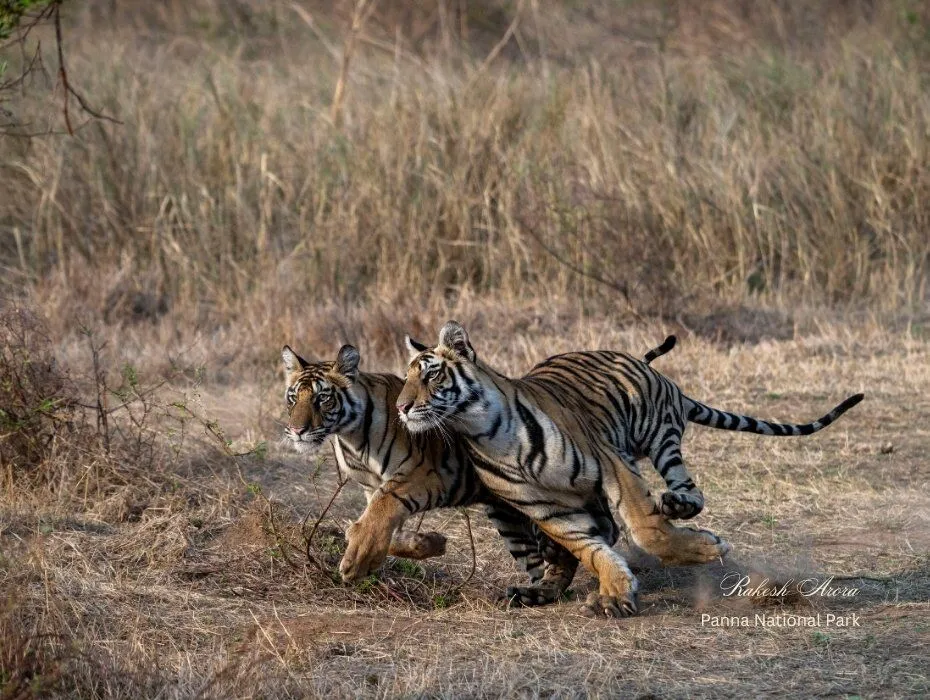
Premium Tours ($8,000-$10,000+): At this level, you’re investing in exceptional experiences. Luxury eco-lodges situated right at park boundaries offer private verandahs overlooking wildlife corridors. Safari vehicles become exclusive just 2-4 people maximum with dedicated naturalist guides who’ve tracked these forests for 15+ years. Parks like Bandhavgarh’s premium zones receive priority, significantly increasing tiger sighting probabilities. Conservation fees support anti-poaching initiatives directly. Flexibility enters the equation if a tigress makes a kill, you can extend your safari rather than adhering to rigid schedules.
Quality tour operators typically bundle accommodation, all meals, park permits, safari vehicle costs, naturalist guide fees, and ground transfers into their pricing. This matters enormously because Indian national parks charge separately for jeep hire, guide fees, and entry permit costs that accumulate quickly when booking independently.
A single safari in Bandhavgarh costs roughly $80-$100, including vehicle, permits, and guide when organised independently. Over two weeks, visiting multiple parks with twice-daily safaris, these costs alone exceed $2,000-$2,500. Tour operators negotiate better rates and handle the complex permit booking systems that frustrate independent travellers.
What’s usually excluded? International flights, visa fees ($65-$100 for Australians), travel insurance ($150-$250 for two weeks), tips for guides and drivers ($200-$400 total), and drinks beyond meals. Factor these additions of another $500-$800 into your total budget calculations.
Many Australians weigh Indian wildlife tours against African safari costs, so let’s address this directly. A comparable two-week safari covering Tanzania’s Serengeti and Ngorongoro Crater or Kenya’s Masai Mara typically costs $8,000-$16,000 from Australia, noticeably higher than India’s pricing for similar accommodation standards.
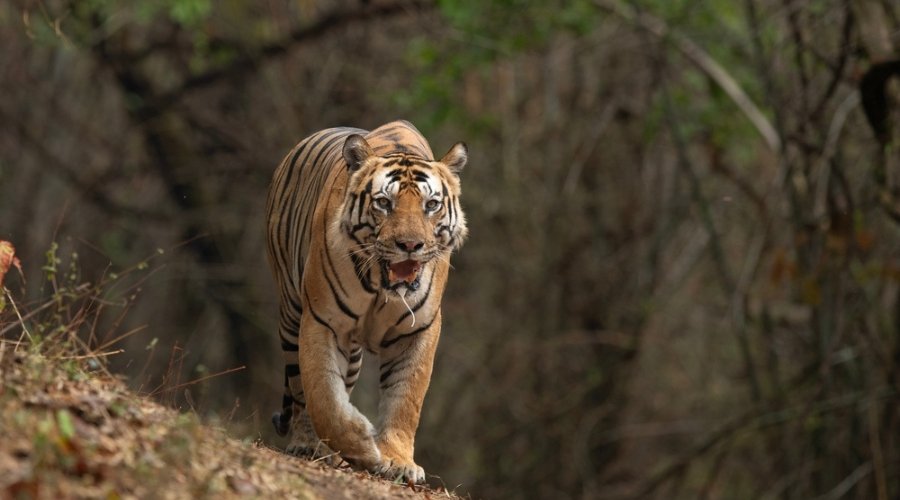
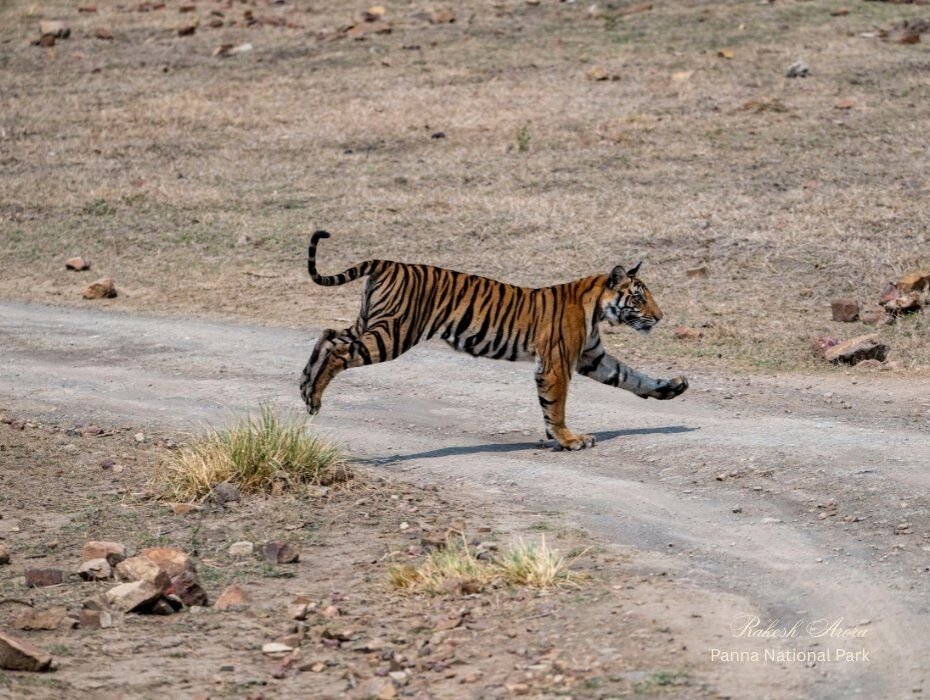
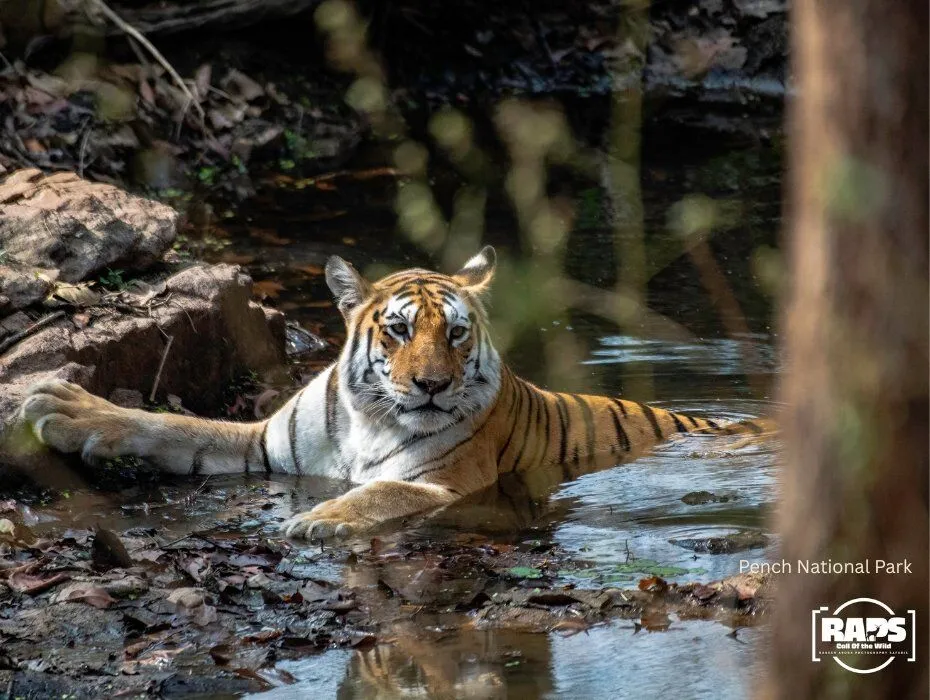
African safaris generally deliver higher animal densities and more predictable wildlife viewing, particularly during migration periods. You’ll see more individual animals over a fortnight in East Africa than in India’s forests. But here’s what tips the scales for many: India offers intimate big cat encounters that Africa rarely matches. Tiger sightings in Bandhavgarh’s sal forests or leopard encounters along jungle tracks provide intensity and excitement that wide-open savannah viewing doesn’t quite replicate.
India’s pricing advantage stems partly from lower accommodation and operational costs, but also from less international tourism pressure. India receives roughly 10 million international tourists annually, versus Kenya’s similar numbers, despite being twelve times larger. This means less competition for permits and often better value for equivalent experiences.
When you’re investing $8,000-$12,000 in a two-week wildlife tour, understanding where that money flows matters. India’s remarkable tiger recovery from approximately 1,400 individuals in 2006 to over 3,000 today occurred partly through tourism revenue supporting park infrastructure and local employment.
Quality operators like RAPS Safaris direct portions of tour costs toward conservation initiatives, anti-poaching patrols, and community development projects that reduce human-wildlife conflict. Your expenditure directly funds the protection of species that wouldn’t survive without this economic incentive. Kaziranga’s rhino population, exceeding 2,400 individuals, exists because tourism makes their protection economically viable for surrounding communities.
Budget tours often skip these conservation contributions, maximising profit margins instead. Premium tours typically embed conservation support into pricing structures, meaning your extra investment delivers benefits beyond personal experience.
Two weeks represents the minimum timeframe for experiencing India’s wildlife diversity properly. Shorter trips force choosing between tiger reserves or rhino habitats; longer tours allow comprehensive exploration but obviously increase costs proportionally.
Travelling during the Australian shoulder seasons, March through May or September through November, often yields better tour pricing and higher wildlife activity simultaneously. You’re experiencing peak Indian wildlife season while avoiding our winter entirely.
Booking eight to twelve months ahead typically provides maximum tour availability and occasionally early-bird discounts of 10-15%. Last-minute deals exist, but usually indicate undersold tours that might have issues.
Solo travellers face premium charges, typically 40-60% above per-person prices due to single accommodation supplements. Travelling with a partner or small group immediately improves cost efficiency.
Can you visit India’s wildlife reserves for less than $6,500? Absolutely. You can piece together independent travel, stay in budget accommodation, and squeeze into shared jeeps. You’ll probably see some wildlife. You might even glimpse a tiger if you’re fortunate.
But here’s what I’ve learned watching people attempt cut-price wildlife tours: the disappointment when permits weren’t available for prime zones. The frustration of inexperienced guides missing obvious signs. The regret of travelling 10,000 kilometres and seeing the back of someone else’s camera because the vehicle was overcrowded.
India’s wildlife, the Bengal tigers, Asian elephants, and one-horned rhinos, which we absolutely cannot see in Australia deserves proper investment. Not because expensive automatically equals better, but because adequate investment ensures you actually experience the extraordinary wildlife that justified the journey.
The cost of a two-week tour from Australia isn’t insignificant. But neither is witnessing a wild tiger emerge from morning mist, or watching a rhino graze metres from your safari vehicle, or photographing a leopard stretched along a sal tree branch. These aren’t experiences Australia offers. They’re worth getting right.