India Travel Tours From Australia - Adventure | Oceania

India Travel Tours From Australia - Adventure | Oceania
March 14, 2026
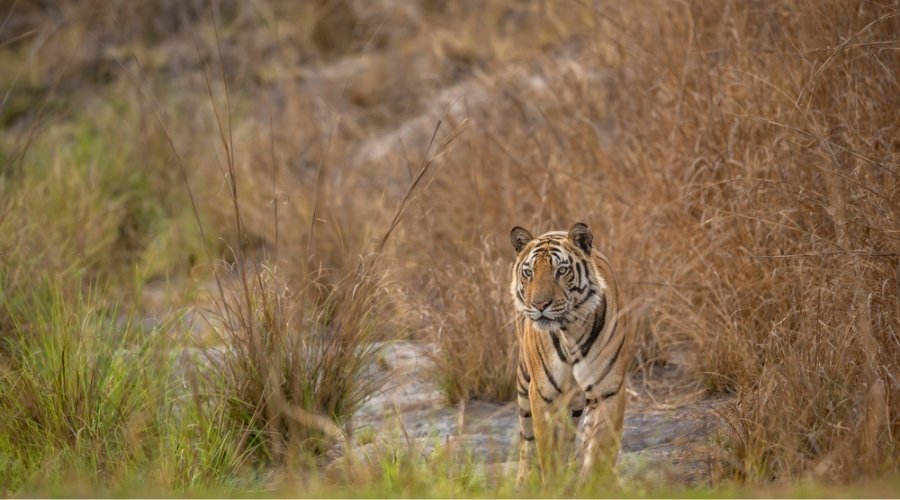
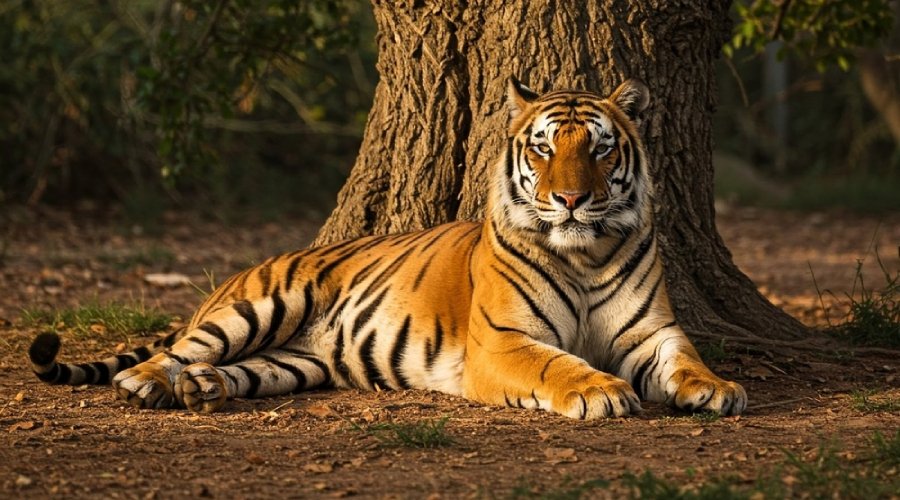
Summer light strikes teak bark at precisely 5:47 PM, transforming the forest into liquid gold. The tigress called Maya moves through this amber theatre with deliberate grace, her striped coat catching fire-toned sunlight as bamboo thickets part around her massive frame. Every step kicks dust that hangs suspended in air heated to 44 degrees Celsius, creating that atmospheric haze photographers chase across continents. This isn’t the lush green jungle of monsoon months or Central India’s sal forests. This is Tadoba in May—when the dry deciduous landscape sheds emerald for bronze, when water becomes currency, and when every frame captures not just tigers but the elemental force of heat itself.
This is Tadoba Andhari Tiger Reserve at its most photogenic: the land of fire where amber photography transcends wildlife documentation and becomes visual poetry about survival, light, and the fierce beauty of drought-adapted ecosystems burning bright under Vidarbha’s unrelenting sun.
Tadoba’s dry deciduous forest operates on rhythms foreign to those expecting tropical evergreen. During March through June—the season when most photographers either flee or thrive—87 percent of Tadoba’s trees shed leaves in an evolutionary strategy conserving moisture. Teak, the dominant species, stands skeletal against cobalt skies. Ain trees expose their distinctive crocodile-bark texture. Tendu, mahua, and bija create patterns of branch and shadow that transform ordinary compositions into exercises in minimalism.
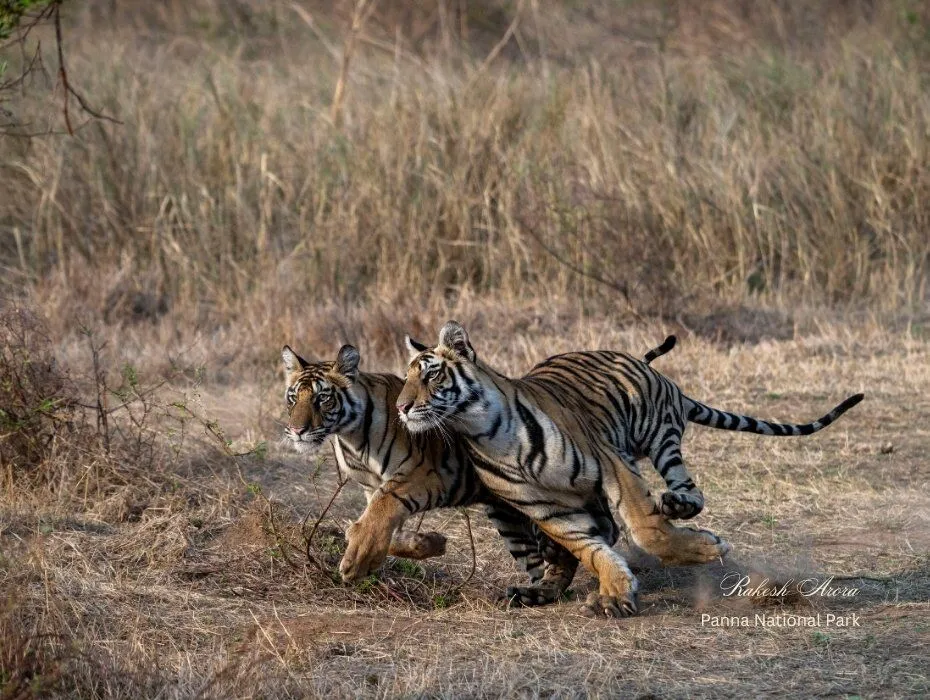
But here’s what makes Tadoba photography exceptional: this leaf-shedding creates visibility impossible during monsoon months. Tigers no longer vanish into bamboo thickets. They move through open terrain where backgrounds simplify to earth tones—ochre, sienna, burnt umber—that make striped coats explode visually. The dry deciduous landscape becomes a photographer’s dream stage where subjects gain prominence through environmental austerity rather than chaotic greenery.
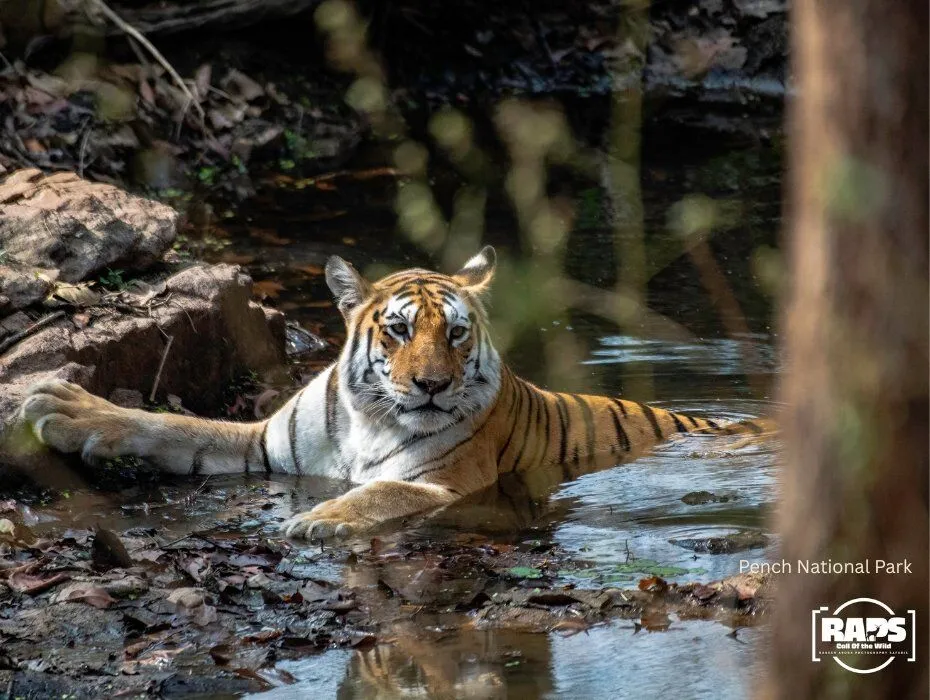
Telia Lake, Kolsa Lake, and Tadoba Lake transform into wildlife magnets as water sources shrink. A tigress arriving at Telia in late afternoon doesn’t merely drink. She enters a composition where golden grass reflects in copper water while teak branches frame overhead space in charcoal silhouettes. That single image—predator, water, drought-stressed landscape—captures everything Tadoba embodies during its fire season.
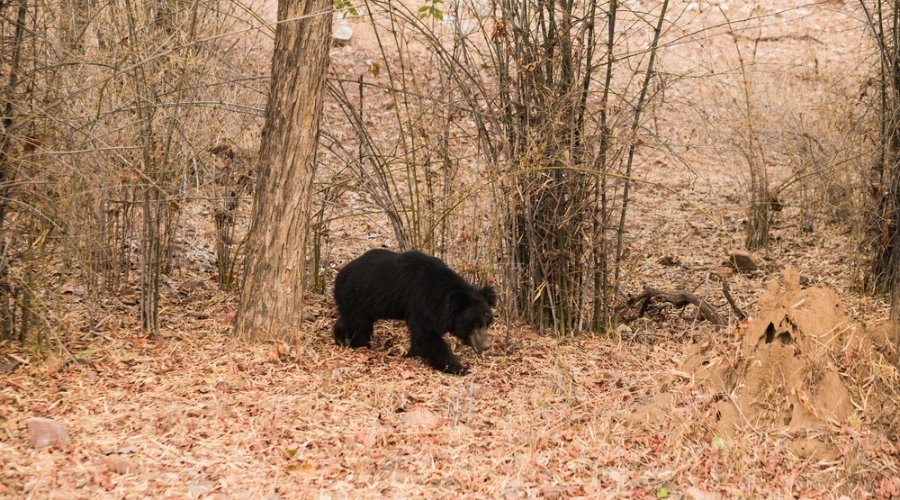
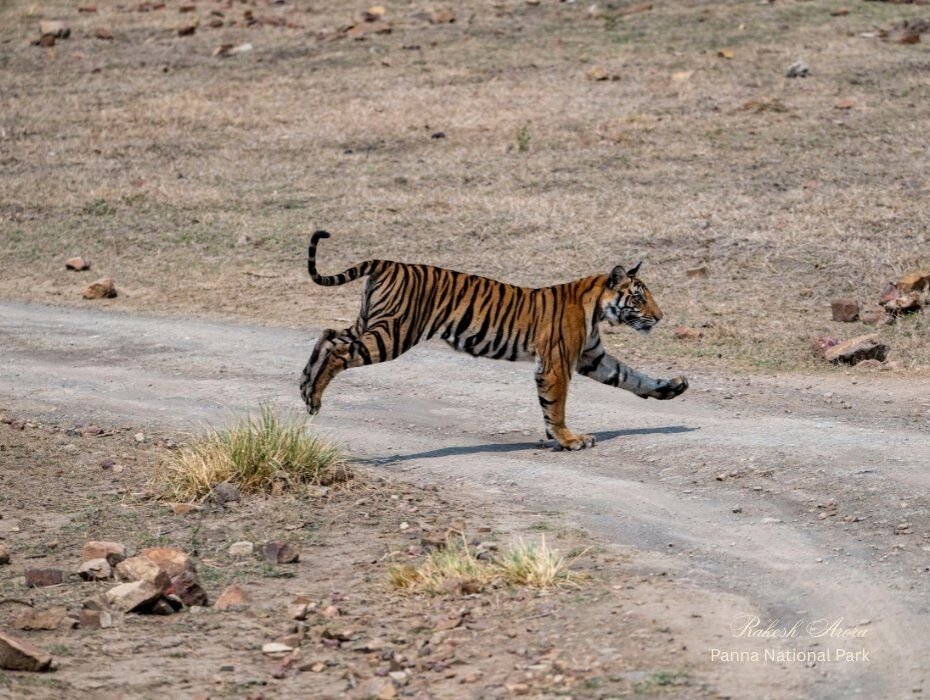
For Australian photographers travelling from Australia to India, Tadoba delivers something genuinely distinct from Africa’s savannahs or even India’s northern tiger reserves: the ability to photograph heat as a tangible visual element. Dust particles suspended in 40-plus-degree air create atmospheric perspective photographers usually associate with the Himalayan dawn. Backlit subjects—tigers crossing roads, sloth bears foraging, dhole packs hunting—gain rim-lighting that transforms fur into luminous outlines against darker backgrounds.
The amber hues aren’t metaphorical. They’re literal colour palettes dominating every frame. Early morning delivers soft gold washing through forest clearings. Midday creates harsh contrast photographers either embrace or avoid through selective shooting. But late afternoon—that magical 4:00 PM to 6:30 PM window—transforms Tadoba into what wildlife photographers call “the golden zone extended.”
The reserve’s topography amplifies these effects. Northern Tadoba features Chimur Hills rising in successive ridges that catch side-lighting dramatically. Southern zones spread flatter with meadows called chaurs where wildlife gathers and photographers gain 360-degree access. Moharli and Kolara zones—particularly famous for tiger density approaching 115 individuals across the larger landscape—provide both architectural rocks and open grassland compositions within single safari routes.
What elevates Tadoba tiger photography beyond mere sighting documentation is character. These aren’t anonymous striped cats. They’re individuals with territories, personalities, and the kind of daytime visibility that makes meaningful photography possible. Maya, Matkasur, Choti Tara, and the legendary four sisters who once ruled these forests have created bloodlines photographers track across generations.
The dry deciduous forest creates behavioural photography opportunities absent in denser ecosystems. Tigers hunt in observable terrain. Territorial disputes unfold across roads rather than hidden in bamboo. Cubs learn hunting through prey chases photographers can follow across multiple frames rather than glimpse briefly. This isn’t luck—it’s ecosystem dynamics where open habitat meets healthy tiger populations approaching carrying capacity.
Buffer zones particularly shine in Tadoba. While Moharli Core draws crowds, gates like Agarzari, Junona, and Devada deliver equally spectacular sightings with half the vehicle numbers. The Andhari River cutting through buffer areas creates waterhole concentrations where leopards, sloth bears, gaur, and tigers congregate within photographic range. Many experienced photographers now prefer buffers specifically because relaxed tigers yield better behavioural sequences than core zone cats habituated to safari vehicle crowds.
To photograph Tadoba properly requires understanding Vidarbha—Maharashtra’s eastern region where forests meet farming, where Gond tribal cultural heritage merges with contemporary conservation, and where food reflects landscapes adapted to extremes. The Chandrapur district, hosting Tadoba, carries culinary traditions shaped by heat and agricultural patterns mirroring the forests themselves.
Varhadi cuisine—Vidarbha’s dominant food culture—embraces spice with intensity matching summer temperatures. Zunka bhakri, chickpea flour preparation served with millet flatbread, provides sustenance evolved for physical labour in scorching conditions. Varhadi rassa, the fiery chicken or mutton curry using secret spice blends, challenges palates while celebrating local culinary pride. Saoji cuisine particularly—practised by the Halba Koshti weaving community from Nagpur—delivers flavours so bold that restaurants specialising in Saoji mutton rassa have gained cult followings.
Between safaris, Chandrapur offers cultural immersion through Gond heritage. The reserve itself takes “Tadoba” from Taru, a Gond deity believed killed fighting a tiger. His shrine beneath a large tree on Tadoba Lake’s banks remains pilgrimage destination for local communities. The Gondal dance forms—performed during harvest festivals—maintain traditions predating colonial rule. This isn’t tourism fabrication but living culture where tribal knowledge systems about forest ecology inform contemporary conservation approaches.
For Australian travellers reaching Tadoba from Australia, logistics flow through Nagpur’s Dr. Babasaheb Ambedkar International Airport (140 kilometres distant). Direct flights connect Nagpur with Delhi, Mumbai, and major Indian hubs. The drive from Nagpur airport to Moharli gate takes approximately three hours through Vidarbha countryside where orange orchards spread toward horizons.
The park operates October through June with Tuesday closures. March through June delivers the highest tiger encounter probability—approaching 90 percent across 4-5 safaris—though temperatures regularly exceed 42°C. November through February provides comfortable weather and lush post-monsoon landscapes, though visibility decreases as foliage thickens. Safari permits require advance booking through Maharashtra’s online portal, with both morning (6:00-10:00 AM) and afternoon (2:30-6:30 PM) slots available across core and buffer zones.
Accommodation options range from government forest rest houses to premium eco-lodges designed around photography requirements. Properties near Moharli gate serve first-time visitors well, while those preferring quieter zones select lodges near Kolara or Navegaon gates. Many properties now cater specifically to solo travellers and women-only groups, recognising that wildlife passion transcends demographics and that India’s improving tourism infrastructure supports independent exploration.
Ultimately, Tadoba’s dry deciduous landscapes and their amber photography opportunities offer something beyond technical mastery. It’s the recognition that beauty exists in austerity, that fire-season forests burning gold under merciless sun reveal ecological truth through visual intensity, and that photographing heat itself becomes meditation on survival in landscapes adapted to extremes.
When Maya eventually vanishes into bamboo thickets as twilight cools the furnace, when that final frame captures her amber coat against teak silhouettes with dust hanging suspended like bronze smoke—you’ve documented more than tiger behaviour. You’ve captured the elemental character of forests that thrive through cycles of monsoon plenty and summer scarcity, forests that burn bright without burning out.
The land of fire whispers stories through heat shimmer and teak shadows. The camera merely translates their language into frames that carry warmth long after Vidarbha’s summer fades to memory.