India Travel Tours From Australia - Adventure | Oceania

India Travel Tours From Australia - Adventure | Oceania
March 21, 2026
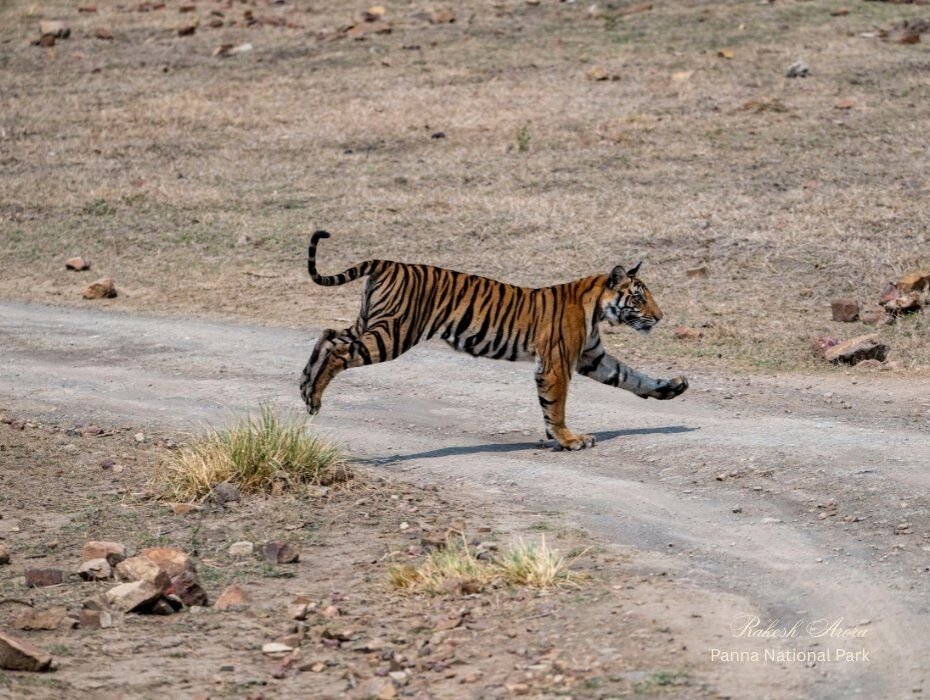
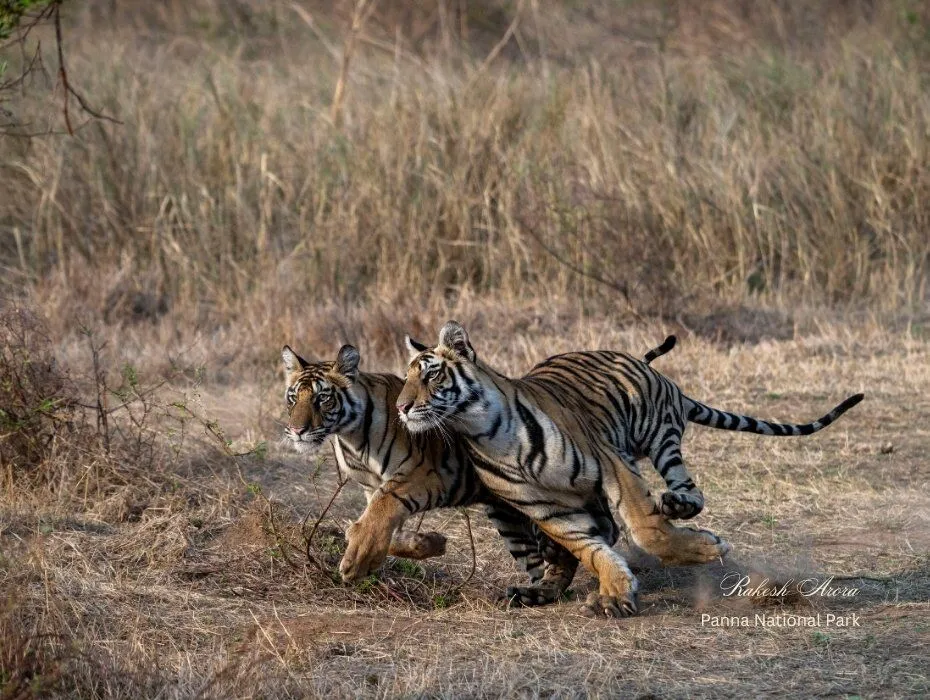
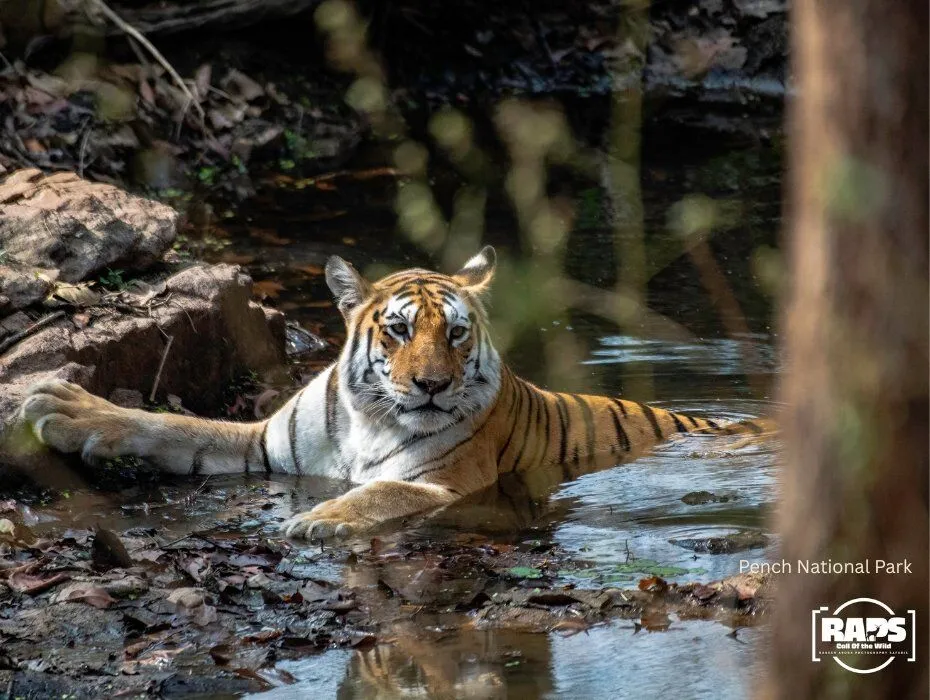
The WhatsApp group explodes with images. Someone’s uploaded frames from yesterday’s safari—a tigress with three cubs crossing a forest road in perfect morning light, uncrowded, unhurried. “Which reserve?” asks a Melbourne photographer planning his next India trip. The response triggers disbelief: “Sanjay Dubri. Ninety minutes from Bandhavgarh. Ten tigers across five safaris. Three vehicles maximum at any sighting.” The conversation shifts immediately. Questions flood: booking procedures, accommodation options, best zones, optimal timing. This exchange—replicated across photography forums, Facebook groups, and Instagram comments—signals something happening quietly but unmistakably: Sanjay Dubri Tiger Reserve transforming from forgotten frontier into wildlife photography’s emerging frontier, and Australian photographers from Australia to India discovering that sometimes the smartest safari strategy involves identifying tomorrow’s destinations before they become today’s crowds.
Welcome to the next big thing in Indian tiger photography—a reserve where sighting rates rival famous parks, where vehicle density remains blissfully low, and where getting beyond tourist trails means arriving before trails become tourist highways.
Understanding why Sanjay Dubri represents wildlife photography’s next big thing requires recognizing patterns from recent tiger tourism history. Fifteen years ago, Tadoba operated in relative obscurity—Maharashtra’s tiger reserve overshadowed by Madhya Pradesh’s famous parks. Then photographers discovered it. Word spread through networks: exceptional sightings, minimal crowds, affordable logistics. Within five years, Tadoba transformed into premium destination where advance booking became essential and vehicle clustering became norm.
The same trajectory appears unfolding at Sanjay Dubri. The tiger population recovery—from near-extinction to 41 individuals by 2023—crossed critical threshold where consistent sightings became reliable rather than fortunate. Recent visitor reports document extraordinary encounter rates: ten tigers across five safaris, multi-hour tracking sessions, behavioural observations impossible achieving in crowded reserves. The photography community notices. The early adopters arrive. The secret leaks gradually through satisfied visitors uploading portfolio images accompanied by location tags prompting inevitable question: where is this place?
For Australian photographers monitoring Indian tiger tourism trends, Sanjay Dubri currently sits at that sweet inflection point—after recovery validation but before mass discovery. It’s the window smart photographers recognize: the two-to-three-year period when destination quality reaches excellence but visitor numbers lag recognition, creating opportunities unavailable once mainstream tourism arrives.
Tiger density statistics tell compelling story. Sanjay Dubri’s 1,674 square kilometres support approximately 41 tigers—translating to roughly 2.4 tigers per 100 square kilometres. This compares favorably against reserves receiving ten times the visitor pressure. Bandhavgarh’s famous density—highest globally—creates vehicle clustering where single sighting attracts twelve jeeps. Sanjay Dubri’s comparable population distributed across less-visited terrain means encounters happening with three vehicles maximum, often just one.
But raw numbers only partially explain why Sanjay Dubri emerges as next big thing. The reserve’s position within critical wildlife corridor connecting Bandhavgarh southwest to Guru Ghasidas National Park in Chhattisgarh creates genetic flow ensuring population health. Tigers move freely across boundaries, utilizing territories spanning multiple protected areas. For photographers, this means animals displaying natural ranging behaviour rather than territory compression forcing habituation.
The recent gaur reintroduction—43 individuals translocated from Kanha and Satpura in 2023—adds charismatic megafauna diversity beyond tigers. These massive bovines, photographically spectacular with glossy coats and white-stockinged legs, provide subjects complementing big cat photography. The reintroduction timing proves fortuitous for photographers: documenting species recolonization carries documentary weight beyond merely recording established populations.
The sloth bear population—reliably encountered unlike most reserves where bears remain elusive—creates portfolio diversification opportunities. Wild dog packs hunting across grassland corridors, leopards utilizing forest territories, and 152 documented bird species deliver photographic variety preventing single-species fixation afflicting some tiger-focused reserves.
Sanjay Dubri currently occupies infrastructure sweet spot: accessible enough preventing logistical nightmares but underdeveloped enough avoiding overcrowding. The proximity to Bandhavgarh—approximately 90 kilometres, two hours’ drive—means photographers can easily combine both reserves within single trip. Flight access through Jabalpur (210 kilometres) or train connections via Satna and Rewa provide multiple arrival options.
The accommodation infrastructure remains deliberately basic: forest rest houses at Bastua, Dubri, and other locations offering essential shelter; MP Tourism’s Parsili Resort providing mid-range comfort; private properties near gates serving budget travellers. This simplicity filters visitors—luxury resort seekers bypass Sanjay Dubri for Bandhavgarh’s premium properties, leaving the reserve to serious wildlife enthusiasts prioritizing encounters over amenities.
The five safari zones—Koilari, Dubari, Gidhha, Bastua, Machmahua—distribute visitor pressure across landscape. Unlike reserves where single zone receives disproportionate traffic, Sanjay Dubri’s relatively balanced utilization means excellent wildlife encounters happening across territories rather than concentrating in overcrowded sectors.
The booking procedures, though requiring more direct engagement than established parks’ digital systems, create barrier favoring determined photographers over casual tourists. This self-selection mechanism—familiar to Australians who’ve navigated booking complexities reaching remote reserves—ensures visitor base comprises passionate enthusiasts rather than tick-box tourists rushing through itineraries.
The clearest indicator of Sanjay Dubri’s emerging status: established wildlife photographers conducting workshops here. When respected professionals invest reputation promoting lesser-known reserves, it signals confidence in consistent delivery rather than one-off luck. Recent workshops documenting ten tigers across five safaris, multi-hour tracking sessions, and behavioural observations validate reserve’s photographic potential.
The online photography community—forums, Facebook groups, Instagram networks—increasingly features Sanjay Dubri content. Portfolio images showing sal forest aesthetics, uncrowded tiger encounters, and that distinctive quality of discovery accompanying photographs from places few recognize generate engagement translating eventually into visitation. Each stunning image posted becomes advertisement recruiting next wave of photographers seeking similar experiences.
The comparison to Bandhavgarh proves inevitable and instructive. Photographers visiting Bandhavgarh increasingly extend trips incorporating Sanjay Dubri safaris. The contrast becomes immediately apparent: where Bandhavgarh delivers near-guaranteed sightings amid vehicle crowds, Sanjay Dubri offers comparable encounter rates with solitary observation. For photographers prioritizing natural behaviour documentation over merely capturing tiger presence, the choice becomes obvious.
Tourism development follows predictable trajectories. As word spreads, visitor numbers increase. As visitor numbers increase, infrastructure expands. As infrastructure expands, character transforms. Sanjay Dubri currently benefits from perfect timing: recovered wildlife populations validating visits while limited infrastructure prevents overcrowding. This equilibrium proves inherently temporary.
The Madhya Pradesh government recognizes tourism revenue potential. Current discussions about infrastructure development suggest investment coming—better roads, upgraded accommodations, enhanced booking systems. These improvements will make Sanjay Dubri more accessible, which inevitably means more accessed. The window for experiencing this reserve in current state—wild, uncrowded, genuinely exploratory—likely spans two-to-three years before transformation toward mainstream tourism destination becomes irreversible.
For Australian photographers planning India trips, the strategic question becomes: visit Sanjay Dubri now experiencing frontier conditions, or wait until infrastructure improves accepting increased crowding that accompanies development? History suggests early adoption rewards more richly than comfortable delay.
Many properties near Sanjay Dubri now accommodate solo travellers and women-only groups, recognizing serious wildlife photography attracts independent practitioners seeking authentic experiences over packaged tours. The daylight-only safari structure, improving accommodation standards, and that sense of genuine discovery create environments where solo exploration feels both safe and extraordinarily rewarding.
Ultimately, identifying the next big thing in wildlife photography requires recognizing quality before crowds discover it, commitment before convenience arrives, and willingness accepting basic infrastructure for extraordinary encounters. Sanjay Dubri delivers all three: tiger populations rivaling famous reserves, photographic opportunities matching premium destinations, and that increasingly rare commodity of solitude transforming wildlife viewing from spectator sport into genuine communion with wilderness.
When you’re tracking that tigress through sal forest, when three hours pass encountering no other vehicles, when your frame holds behavioural sequence uninterrupted by jeep clustering, you understand why savvy photographers increasingly choose emerging destinations over established circuits. The tourist trail will arrive eventually at Sanjay Dubri—visitor numbers will climb, infrastructure will improve, and that frontier quality will soften into managed tourism. But right now, today, the reserve operates beyond where masses have discovered, offering that precious experience of finding rather than merely following, exploring rather than consuming, and witnessing wilderness on terms favouring wildlife over tourism schedules.
The sal forests wait. The tigers reclaim territories. The photography community discovers the secret gradually. And the window remains open—but not forever—for those willing recognizing that sometimes the next big thing isn’t what everyone’s photographing tomorrow but what nobody’s photographing enough today.