India Travel Tours From Australia - Adventure | Oceania

India Travel Tours From Australia - Adventure | Oceania
March 9, 2026
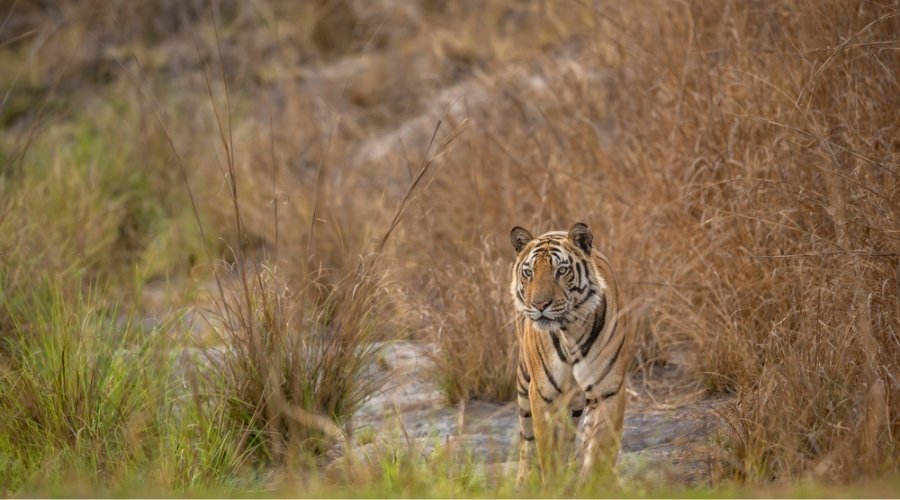
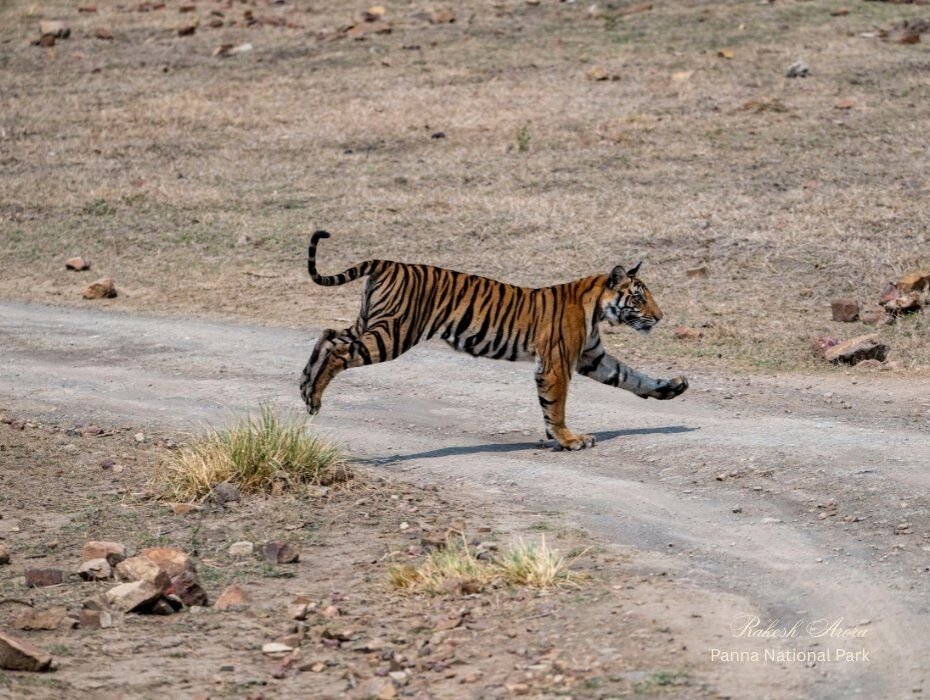
She materializes from scrub forest like liquid amber poured over ancient stone. The tigress pads across Ranthambore’s Raj Bagh causeway—a centuries-old land bridge connecting palace ruins to shoreline—her reflection doubling in Padam Talao lake while peacocks scatter from crumbling chattris overhead. Your guide whispers something about this being her favorite hunting corridor, but you’re not listening. You’re frantically adjusting shutter speed because this frame—Bengal tiger framed by Indo-Islamic architecture, backlit by Rajasthan’s golden-hour sun—exists nowhere else on Earth.
This is India’s royal wilderness, where apex predators and architectural marvels collide in compositions that rewrite wildlife photography entirely.
While Australia to India might seem like pursuing tigers in generic jungle, Ranthambore delivers something photographically extraordinary: the only place where medieval fortresses, hunting pavilions, mosques, and palace ruins function as active tiger habitat. The result transforms wildlife photography from documentation into art—each frame layered with history, power, and visual complexity that makes Africa’s open savannahs seem almost minimalist by comparison.
The irony writes itself. Rajasthan’s most celebrated tiger reserves—Ranthambore, Sariska, Mukundra Hills—began as private shikar grounds where maharajas hosted hunting spectacles for British viceroys and nobility. Emperor Akbar supposedly camped in Ranthambore’s forests pursuing game. The Maharajas of Jaipur maintained these landscapes specifically for sport, constructing hides, pavilions, and access tracks that today serve wildlife photographers instead of hunters.
What changed everything was India’s independence and the eventual abolition of princely states. Hunting grounds transformed into protected reserves. Project Tiger launched in 1973. Conservation replaced exploitation. Yet the architectural remnants remained—20 fortresses, countless temples, mosques with slender minarets, pavilions called chattris where Shivlings still rest beneath domes, and palace ruins that tigers now claim as den sites and hunting blinds.
At Ranthambore specifically, the 10th-century fort sprawls across 4 square kilometres atop a commanding hill, its 7-kilometre walls visible from multiple safari zones. The fort achieved UNESCO World Heritage status, making Ranthambore perhaps the only place where you might photograph a tigress hunting sambar deer with a UNESCO-protected monument in the background. The Trinetra Ganesh Temple within the fort remains an active pilgrimage site—devotees climbing ancient steps while tigers patrol territories below.
This fusion creates photography opportunities absent anywhere else in India. The ruins aren’t decorative additions. They’re functional habitat shaping predator behaviour, providing shade during scorching summer afternoons, offering elevated vantage points for spotting prey, and creating visual interest that elevates tiger images from wildlife snapshots to genuine art.
Understanding why Ranthambore excels at producing iconic images requires recognising what architecture provides: structure, depth, context, and storytelling beyond the subject itself.
The Raj Bagh Palace ruins along Padam Talao lake exemplify this perfectly. A massive jharoka—an overhanging balcony—overlooks the water, with the palace structure concealed behind. Tigers rest on this balcony routinely, especially during hot weather when breezes keep the stone cool. The composition practically writes itself: tiger lounging on medieval architecture, lake reflecting the scene, forested hills layered in the background. That single image captures predator, history, and landscape simultaneously.
The mosque near Padam Talao with its onion-domed minarets and vaulted gateways sits in territory with exceptionally high ungulate density. Tigers hunt here constantly, using the building’s cover to approach prey. Photographers positioned correctly can frame hunting sequences with 15th-century architecture providing visual anchors that ground the wildness in place and time.
The “chotti chattri”—small dome—photographed ceaselessly by professionals sits on a raised platform with carved sandstone pillars supporting a typical Rajput dome sheltering a Shivling. The monument’s location beside forest clearings frequented by tigers creates that dream composition: apex predator framed by centuries-old architecture in a single, storytelling frame.
What makes these architectural elements genuinely valuable isn’t just aesthetics. It’s how they alter viewer perspective. A tiger photographed against vegetation alone becomes generic—beautiful but interchangeable with images from Bandhavgarh or Africa. A tiger framed by Rajput architecture immediately signals location, history, the transformation from hunting ground to conservation success, and India’s unique ability to interweave wilderness with deep cultural heritage.
Photographing India’s royal wilderness properly requires understanding whose history you’re documenting. Rajasthan—the “Land of Kings”—carries Rajput heritage through every landscape, building, and tradition. The architecture framing your tiger images represents specific dynasties: the Chauhan Rajputs who built Ranthambore Fort in 944 AD, the Mughal Emperor Akbar who conquered it in 1568, the Jaipur royal family who maintained it as hunting preserve through British colonial rule.
Between safaris, Rajasthan rewards cultural exploration. Sawai Madhopur town near Ranthambore offers authentic Rajasthani cuisine—dal baati churma (baked wheat balls with lentil curry), ker sangri (desert beans), gatte ki sabzi, and mishri mawa (milk-based sweets). Local artisans practice centuries-old crafts: block printing, blue pottery, miniature painting depicting hunting scenes that mirror what you’re photographing in modern contexts.
Jaipur itself—the Pink City just 180 kilometres from Ranthambore—extends the royal experience through Amber Fort, City Palace, and Hawa Mahal. For Australian travellers investing significant time reaching India, combining Ranthambore’s tigers with Rajasthan’s cultural triangle (Jaipur-Jodhpur-Udaipur) creates journeys satisfying both wildlife enthusiasm and historical curiosity.
Reaching Ranthambore from Australia flows through major Indian gateways. International flights arrive Delhi or Mumbai. Domestic connections serve Jaipur (160 kilometres from Ranthambore). Alternatively, direct trains from Delhi to Sawai Madhopur take approximately four hours, delivering travellers directly to park access.
The reserve operates October through mid-June, closing during monsoon season. February through May delivers the highest tiger encounter probability as vegetation thins and water sources concentrate animals near accessible zones, though temperatures regularly exceed 40°C. November through January offers comfortable weather, lush post-monsoon landscapes, and excellent birding alongside tiger photography.
Safari permits require advance booking through Rajasthan’s online portal, with morning (6:30-10:00am) and afternoon (3:00-6:00pm) slots across ten safari zones. Zones 1-5 typically provide better architectural framing opportunities due to their proximity to fort ruins and major monuments. Professional photography guides familiar with individual tigers and architectural compositions elevate experiences significantly beyond generic safaris.
Accommodation near Ranthambore ranges from heritage properties to contemporary luxury lodges. Many cater specifically to solo travellers and women-only groups, recognising that wildlife passion transcends demographics. Properties designed around photography requirements—early departure flexibility, equipment storage, naturalists understanding composition—transform logistics from obstacles into support systems.
Ultimately, India’s royal wilderness offers photographers something beyond technical perfection. It’s the ability to create images carrying multiple narratives simultaneously: conservation success, cultural heritage, apex predator behaviour, architectural preservation, and the complex human relationship with wilderness spanning centuries.
When that tigress finally moves from Raj Bagh causeway toward forest cover, when your camera captures her crossing beneath that chattri dome where Shivlings have rested for 500 years, when the frame includes both raw predation and refined architecture—you’re documenting something genuinely unique. This isn’t wildlife photography as typically practised. It’s visual storytelling where every element contributes meaning beyond the immediate subject.
The maharajas who once hunted these forests couldn’t have imagined their hunting pavilions would become tiger dens, their palaces would shelter apex predators instead of princes, or that conservation would replace exploitation so completely. Yet their architectural legacy endures, transforming wildlife reserves into living museums where past and present coexist in frames too complex for simple categories.
For Australian photographers willing to look beyond generic tiger images, Rajasthan’s royal wilderness represents the frontier where wildlife photography evolves into art—one architectural frame at a time.