India Travel Tours From Australia - Adventure | Oceania

India Travel Tours From Australia - Adventure | Oceania
March 27, 2026
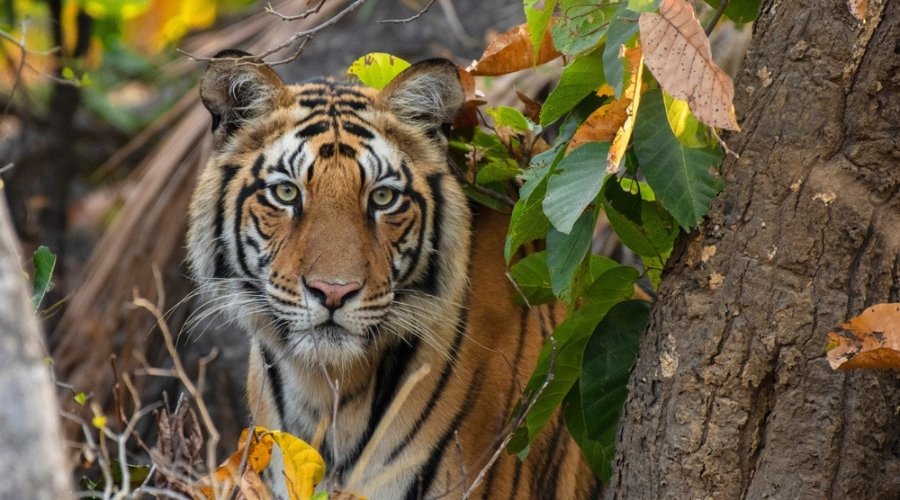
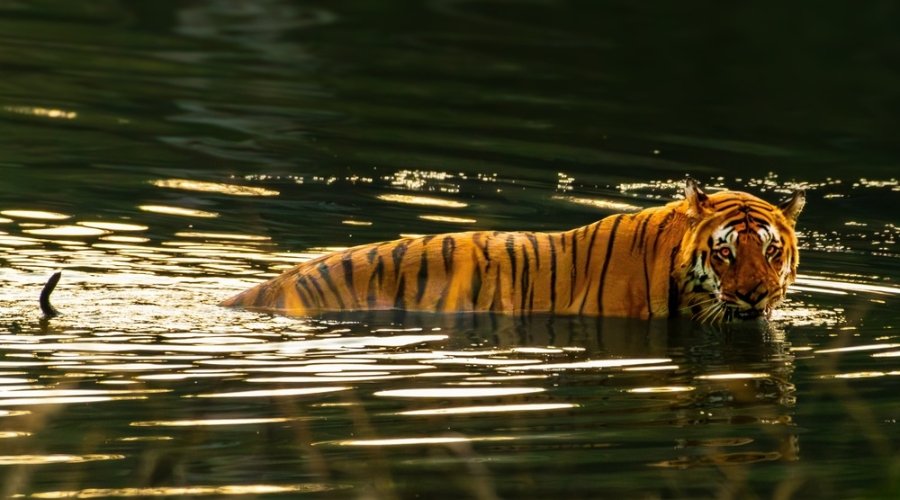
The driver stops midsentence. Ram, our RAPS naturalist with twelve years tracking Pench’s forests, raises his palm slowly: “Langur alarm. Turia zone. Big cat moving.” The jeep reverses quietly fifty metres, repositions angle capturing both ghost tree grove—those eerie silver-barked kulu sentinels rising from morning mist—and forest edge where langur troop watches something invisible advancing through bamboo thicket. Thirty seconds. That’s how long passes before tiger emerges exactly where Ram predicted, crossing into frame where pale tree trunks create natural compositional elements framing orange form against Kipling’s literary landscape. This moment—this convergence of ecological knowledge, photographic positioning, and split-second timing—explains why Australian photographers from Australia to India increasingly choose RAPS for Pench wildlife experiences: sometimes the difference between random encounter and portfolio masterpiece involves expert guidance reading forests like texts, anticipating rather than merely witnessing, and understanding that Pench delivers magnificence spanning tigers to ghost trees but reveals secrets primarily to those bringing fifteen years’ accumulated wisdom into Mowgli’s realm.
Pench wildlife photography without expert guidance operates on hope: hoping right zone delivers sightings, hoping positioning allows clean shots, hoping behaviour manifests during brief encounters. RAPS methodology transforms this gambling into strategic practice through knowledge accumulated across hundreds of expeditions documenting patterns casual visitors never recognize.
Ram’s ability predicting that tiger’s emergence location wasn’t psychic insight—it was pattern recognition developed through twelve seasons tracking Turia zone’s territorial dynamics. He knows which female currently occupies this territory, recognizes her cubs have reached independence creating territorial flux, and understands morning movement patterns correlating with overnight kill locations evidenced by vulture concentrations observed yesterday evening. This multilayered observation—integrating current ecology, historical behaviour, and environmental cues—allows positioning jeeps not where tigers appeared previously but where they’ll appear next.
The ghost tree composition proves equally deliberate rather than fortunate. These distinctive Sterculia urens trees—their pale bark glowing silver-white even dim light, earning ghostly designation locals embrace entirely—create Pench’s signature landscape aesthetic. But photographing tigers against ghost tree backgrounds requires knowing specific locations where these trees concentrate, understanding light angles at different times, and recognizing which territorial tigers utilize these zones regularly. RAPS guides maintain mental maps documenting years’ worth of ghost tree groves, sunrise angles, and predator territories allowing compositional planning impossible for visitors experiencing Pench across mere three-day visits.
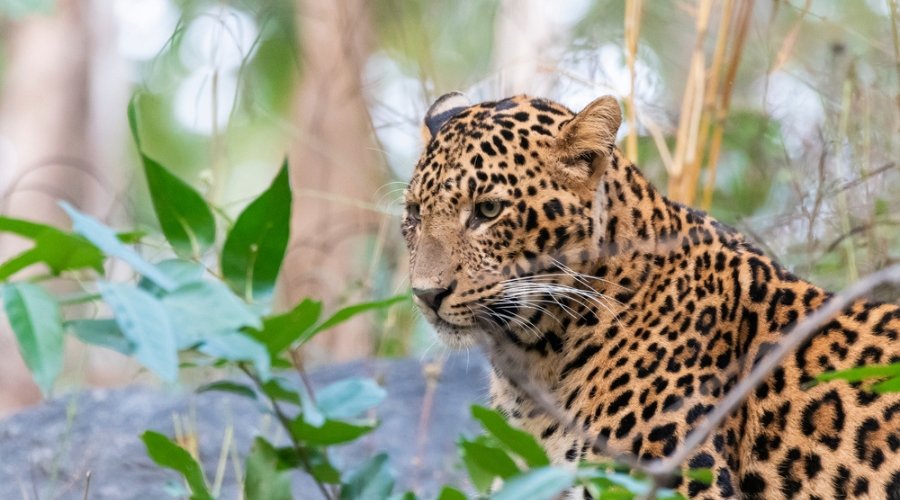
This accumulated knowledge extends beyond big cats. Pench supports healthy leopard populations utilizing different spatial niches than tigers—rocky outcrops, dense canopy zones, hillside sal forests where arboreal abilities provide competitive advantage. Our naturalists recognize subtle differences between tiger and leopard alarm calls, read pug mark morphology identifying species instantly, and know which zones currently host which predator allowing targeted photography rather than hoping random encounters favour desired subjects.
But ecological knowledge alone proves insufficient without photographic understanding translating natural history into compelling images. RAPS guides function simultaneously as naturalists and photography instructors—a rare combination elevating experiences beyond typical safari guiding.
The ghost tree framing that tiger encounter wasn’t accidental positioning. Ram understands compositional principles: rule of thirds placing tiger at power points, negative space created by pale tree trunks drawing attention to subject, vertical lines adding depth. He positioned our jeep accounting for sun angle—backlit ghost trees creating luminous quality while side-lit tiger reveals texture and form. These decisions happen instantaneously based on photographic fluency developed through years observing what works, what fails, and how Pench’s unique elements—those silvery trees, teak forests, black rock formations—enhance rather than merely backdrop wildlife subjects.
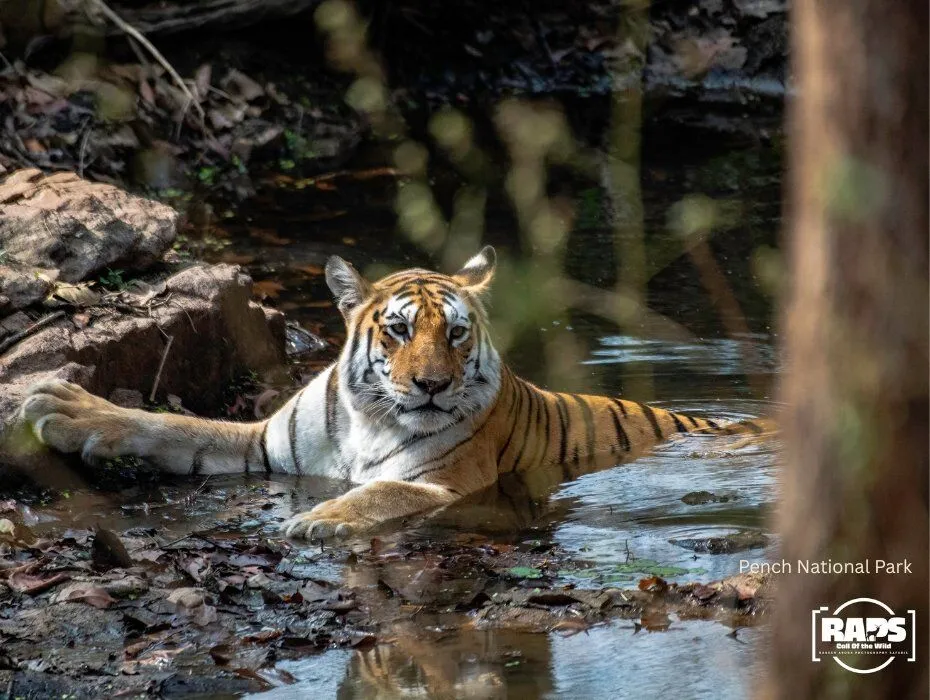
The technical guidance proves equally valuable. Pench’s diverse habitats—dense teak forests requiring different exposure approaches than open grasslands, waterhole environments creating reflection opportunities, ghost tree groves demanding careful metering preventing blown highlights on pale bark—demand adaptive technique. RAPS naturalists recommend settings matching conditions: faster shutter speeds for action in bamboo thickets where tigers move suddenly, slower speeds when subjects pause allowing creative blur in backgrounds, exposure compensation adjustments when ghost trees’ white bark confuses camera meters.
This photographic expertise extends to species beyond big cats. Pench hosts Collarwali’s lineage—the legendary tigress holding Guinness records for successful breeding. Her descendants inhabit zones our guides track intimately, allowing documentary photography following specific individuals across life stages rather than merely recording anonymous subjects. The black leopard sightings—melanistic individuals appearing periodically creating international photography buzz—occur in predictable zones RAPS monitors continuously, positioning clients when these rare cats emerge.
What distinguishes RAPS Pench experiences from mere wildlife viewing: cultural narrative woven through ecological observation. This isn’t random forest—it’s Mowgli’s landscape, Kipling’s inspiration, literary heritage embodied in actual wilderness.
Our guides interpret Pench through dual lenses: biological and literary. That Wainganga River gorge where we photograph tigers crossing? They explain this precise location matches Kipling’s description of Shere Khan’s demise in buffalo stampede. Those Seeonee hills visible from certain vantage points? They contextualize them as setting for wolf pack territories housing Mowgli. The villages near sanctuary gates maintaining names referenced in Jungle Book? We visit them between safaris exploring Gond tribal heritage predating British colonialism.
This cultural layer transforms photography from species documentation into storytelling. When your frame captures tiger against ghost trees with Wainganga flowing background, you’re not merely recording apex predator—you’re documenting living continuation of Bagheera’s and Shere Khan’s territories, where literary imagination emerged from ecological reality. RAPS guides articulate these connections explicitly, helping photographers understand images carry weight beyond beauty into cultural testimony.
The Gond tribal context particularly enriches experiences. These communities—India’s largest surviving tribal population—maintain deep forest relationships informing their art, cuisine, and spiritual practices. RAPS arranges cultural programs between safaris: visiting Gond artists demonstrating distinctive painting styles depicting forest animals through intricate dot-and-line patterns, participating cooking demonstrations featuring forest ingredients like kachnar leaves in traditional breads, and conversations with elders explaining coexistence with tigers spanning generations before conservation became government policy.
Perhaps RAPS’s most underappreciated value: handling logistics allowing photographers focusing on wildlife rather than bureaucracy. Pench’s dual-state structure—Madhya Pradesh and Maharashtra sectors sharing ecosystem—creates booking complexities. The permit systems differ. Gate options multiply. Zone allocations determine encounter probability significantly.
RAPS navigates this maze professionally. We secure optimal zones through relationships with forest departments built across fifteen years. We coordinate timing maximizing golden light photography—dawn departures catching first sun illuminating ghost tree groves, afternoon returns catching last light transforming teak forests into amber wonderlands. We arrange accommodations near gates minimizing transfer times, book safaris securing adequate encounter probability, and maintain backup plans when weather or animal movements require flexibility.
For Australian photographers investing significant expense reaching India, this logistical management proves invaluable. You’re not researching permit websites, negotiating with drivers, or wondering whether chosen zones offer reasonable sighting chances. You’re photographing tigers, documenting leopards, capturing ghost trees at optimal light, and experiencing Pench wildlife through expert guidance transforming complex logistics into seamless photography focused entirely on images rather than infrastructure.
Ultimately, choosing RAPS for Pench represents recognizing that fifteen years’ accumulated expertise cannot be replicated through three days’ personal exploration, that forests reveal secrets to those investing decades rather than long weekends, and that sometimes the ultimate photography tool isn’t upgraded camera body but human guide whose knowledge transforms random into intentional, hope into strategy, and subjects into stories.
When that tiger finally vanishes into bamboo thicket, when ghost trees glow silver in morning mist, when your memory cards document not merely wildlife but Kipling’s landscape brought alive through lens capturing descendants of literary characters in forests where imagination met reality—you understand why RAPS functions as ultimate guide. The forests wait. The tigers patrol territories. The ghost trees stand sentinel across Mowgli’s realm. And photographers arrive—from Australia, from across continents—discovering that sometimes the greatest safari investment isn’t merely reaching Pench but ensuring once there, expert guidance unlocks everything this magnificent wilderness offers those willing learning from masters rather than hoping luck alone suffices.
March 26, 2026