India Travel Tours From Australia - Adventure | Oceania


India Travel Tours From Australia - Adventure | Oceania
March 24, 2026
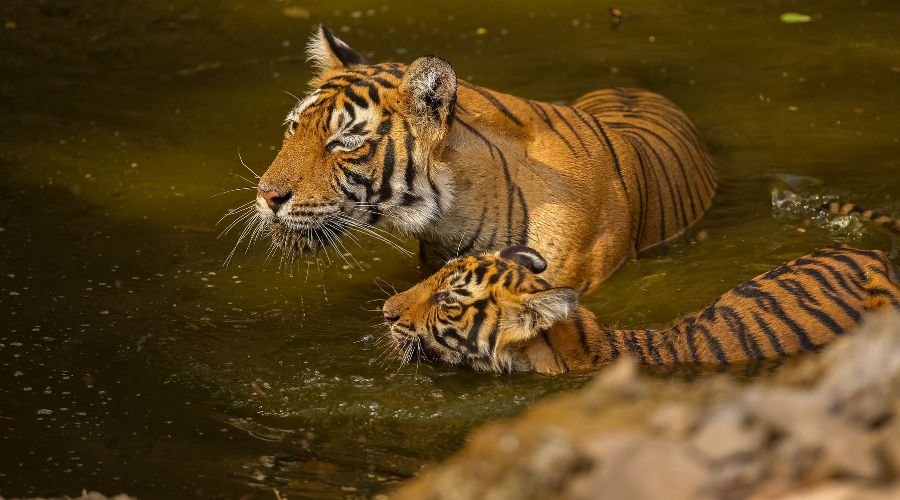
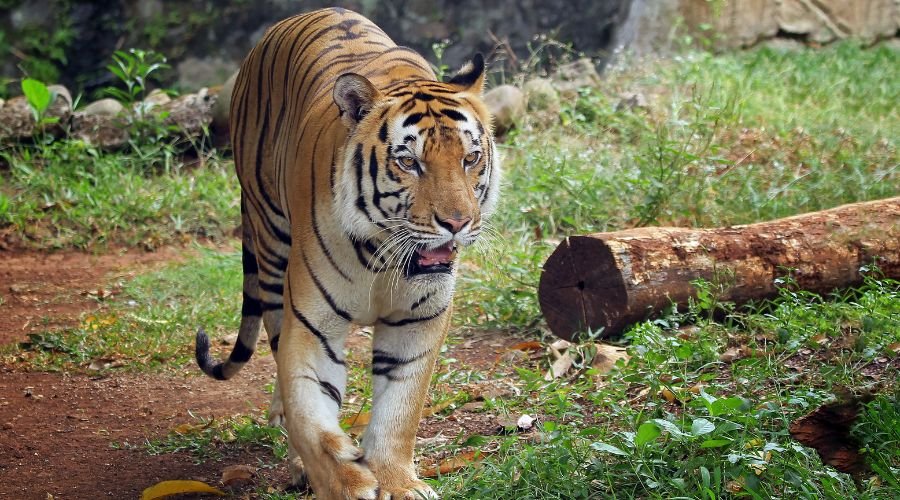
The boat motor cuts. Silence floods the channel that peculiar mangrove quiet where water laps wooden hull, where mud gurgles at low tide, where every sound carries amplified across narrow waterways winding through Sundarbans’ 10,000-square-kilometre labyrinth. Our naturalist Amit gestures wordlessly: 200 metres ahead, orange movement crossing the canal. The Royal Bengal Tiger swims with powerful strokes, head elevated above water, amber eyes fixed on mangrove bank opposite. Forty seconds that’s how long this crossing takes forty seconds where every photographer aboard fires continuously, where tracking the swimming tiger transforms from abstract concept into visceral reality, where fifteen years curating RAPS safaris across India coalesce into this single moment proving why Sundarbans represents photography’s ultimate challenge and ultimate reward for Australian wildlife enthusiasts travelling from Australia to India seeking experiences impossible replicating elsewhere.
Welcome to the swamp quest where tigers adapted to saline water, where boat-based safaris navigate tidal rivers through world’s largest mangrove forest, and where Sundarbans’ unique ecosystem creates encounters so extraordinary they redefine what Royal Bengal Tiger photography means.
Understanding Sundarbans’ swimming tigers begins with recognizing evolutionary adaptation creating subspecies behaviourally distinct from mainland populations. While all tigers can swim big cats are surprisingly aquatic when necessary Sundarbans tigers evolved swimming as primary locomotion rather than occasional necessity. The ecosystem demanded it: this Ganges-Brahmaputra-Meghna delta creates archipelago of mangrove islands separated by tidal channels, rivers, and creeks where crossing water becomes daily requirement rather than exceptional event.
The adaptations prove remarkable. Sundarbans tigers possess slightly smaller builds than Central India counterparts males averaging 180-200 kilograms versus 220-260 kilograms typical in Bandhavgarh or Kanha creating streamlined bodies better suited navigating dense mangrove roots and swimming extended distances. Their paws show partial webbing between toes providing stronger purchase in mud and enhanced swimming propulsion. The kidneys process salt water more efficiently than mainland tigers, allowing these cats drinking from saline channels without adverse effects.
The swimming distances documented stagger imagination. Tigers regularly cross channels two-to-five kilometres wide. Researchers recorded individuals swimming fifteen kilometres between islands during single journeys distances matching what marathon swimmers accomplish with years of training. This aquatic proficiency transforms hunting strategies: Sundarbans tigers ambush prey at water crossings, swim silently approaching deer grazing riverbanks, and navigate territories spanning multiple islands connected only by water.
For photographers, this swimming behaviour creates opportunities and challenges unique globally. Unlike terrestrial encounters where tigers move on predictable forest trails, Sundarbans’ cats appear mid-channel head above water, body submerged, creating compositional scenarios requiring different technical approaches than typical big cat photography. The swamp quest becomes genuine we’re not merely searching forest for stationary predators but scanning waterways for swimming subjects whose appearances remain maddeningly unpredictable.
Tracking swimming tigers from boats demands photographic techniques differing fundamentally from jeep-based safaris. Our RAPS methodology, developed across fifteen years’ Sundarbans expeditions, emphasizes preparation, patience, and accepting inherent unpredictability as feature rather than flaw.
The boat platforms themselves create specific challenges. Unlike stationary jeeps where monopods provide solid support, boats rock with wave action, engine vibration transfers through hulls, and sudden movements by passengers create compositional disruption. The solution involves technique adaptation: handheld shooting becomes essential despite heavy telephoto lenses, image stabilization requires activation constantly, and shutter speeds must compensate for platform movement plus subject motion typically 1/1600th second minimum for swimming tigers, faster if waves create additional boat movement.
The focal length considerations differ from forest work. In dense Sundarbans mangroves where sightlines rarely extend beyond 100 metres, 400-500mm lenses prove optimal long enough filling frame when tigers appear mid-channel but not so extreme that tracking swimming subjects becomes impossible. The 600mm lenses dominating Central India tiger photography prove unwieldy on boats, their narrow field-of-view making composition difficult when platforms and subjects both move unpredictably.
Light management becomes critical challenge. Sundarbans’ dense canopy creates perpetual shade punctuated by harsh highlight patches where sunlight penetrates gaps. Tigers swimming channels often appear backlit—emerging from shaded banks into sunlit water creating exposure nightmares camera meters handle poorly. The approach: manual exposure mode, exposing for tiger mid-tones, accepting blown highlights in water as inevitable compromise. The alternative exposing for bright water renders tigers as silhouettes losing detail entirely.
The composition opportunities swimming tigers provide prove unlike terrestrial encounters. When cats cross channels, compositional elements reduce beautifully: tiger, water, mangrove background. This minimalism creates powerful images emphasizing subject isolation. Environmental portraits showing tigers within mangrove context require wider angles 70-200mm zooms capturing ecosystem alongside subject. Many RAPS photographers discover their strongest Sundarbans portfolio pieces utilize moderate focal lengths showing tigers as components within larger wilderness rather than isolated subjects filling frames.
The critical skill: anticipation over reaction. Sundarbans boat safaris operate dawn to dusk typically 6:00 AM to 5:00 PM far longer than three-hour jeep sessions typical elsewhere. This extended duration creates endurance test requiring sustained attention across eight-to-nine hours scanning mangrove banks, watching for movement, interpreting naturalists’ subtle signals indicating potential tiger presence. The photographers succeeding in Sundarbans embrace this marathon pacing rather than expecting sprint-intensity typical of reserves guaranteeing sightings within 90 minutes.
While Royal Bengal Tigers anchor Sundarbans’ appeal, the ecosystem itself delivers photographic richness extending far beyond apex predators. The mangrove forest world’s largest at approximately 10,000 square kilometres spanning India and Bangladesh creates landscape so distinctive that environmental photography rivals wildlife documentation.
The Sundari trees (Heritiera fomes) giving Sundarbans its name create architecture unlike typical forests. These salt-tolerant trees develop pneumatophores exposed root systems rising above waterline allowing oxygen absorption in saturated soils. During low tide, these root mazes become visible creating foreground elements framing wildlife beautifully. The gnarled trunks, twisted branches, and that perpetual interplay between water and vegetation produce Gothic aesthetic mysterious, somewhat forbidding, utterly photogenic.
The estuarine crocodiles saltwater crocs reaching five-to-six metres length provide charismatic megafauna beyond tigers. These substantial reptiles bask on mudbanks during winter months, photographed from boats approaching within reasonable distance. The fishing cats, medium-sized felids adapted catching fish in shallow waters, appear occasionally creating portfolio diversity. The spotted deer (chital) and wild boar inhabiting island interiors emerge at forest edges, their wariness of lurking tigers creating visible tension translating into compelling behavioural sequences.
The avian diversity rivals dedicated birding destinations: white-bellied sea eagles patrol waterways, kingfishers multiple species including brown-winged, stork-billed, and collared variants perch conspicuously, and winter brings migratory waterfowl utilizing delta wetlands. For photographers balancing tiger quest with bird photography, Sundarbans delivers opportunities impossible mainland forests where canopy height prevents frame-filling bird shots.
Between dawn departures and dusk returns, Sundarbans’ position within West Bengal introduces cultural dimensions enriching wildlife experiences. The cuisine particularly Bengali food culture where fish dominates protein consumption reflects delta geography through preparations celebrating aquatic resources.
Macher jhol, Bengali fish curry, represents regional soul food: freshwater fish rohu, katla, or hilsa during monsoon season—cooked in light curry with potatoes, tomatoes, and that signature mustard oil lending distinctive pungency. The preparation varies household to household but formula remains: mustard oil tempering, turmeric and chilli providing base spicing, fresh fish adding protein, and rice providing foundation. This simplicity carries profound comfort it’s meal consumed daily across Bengal regardless of economic status, unifying cuisine transcending class boundaries.
Chingri malai curry prawns cooked in coconut milk gravy delivers richer preparation reserved for special occasions or tourist-facing restaurants. The large prawns, caught from delta waterways, simmer in gravy combining coconut cream, ginger-garlic paste, and subtle spicing allowing prawn sweetness dominating rather than being overwhelmed. Served with luchi deep-fried flatbread puffed and golden—this becomes celebratory meal marking successful safari days.
The sweets mishti doi (sweetened yogurt), rasgulla (cheese balls in sugar syrup), sandesh (fresh cheese sweetmeats) provide afternoon sustenance between safaris. Bengali sweet culture rivals savory traditions; confectioners command respect matching accomplished chefs. These preparations, consumed at Sajnekhali forest bungalows or Canning town lodges, become cultural education as important as wildlife documentation.
The human communities—honey collectors, fishermen, woodcutters whose livelihoods depend on navigating Sundarbans’ dangers add narrative depth. These resourceful people, living at wilderness edge, lose several members annually to tiger attacks yet persist through economic necessity and generational tradition. Their knowledge understanding tidal patterns, recognizing tiger territories, reading mud for fresh pugmarks—informs safari strategies making encounters possible.
For Australian photographers reaching Sundarbans from Australia, logistics flow through Kolkata West Bengal’s capital receiving international flights from major Asian and Middle Eastern hubs frequently used by Sydney and Melbourne departures. From Kolkata, Sundarbans lies approximately 100 kilometres south three-to-four hours’ drive through agricultural landscapes transitioning into mangrove delta.
The typical swamp quest duration runs five-to-six days allowing adequate boat time maximizing encounter probability. Unlike reserves where three days suffice experiencing primary attractions, Sundarbans’ unpredictability demands longer commitment. The permit system limits continuous forest stay to three days, requiring exit for renewal—this becomes advantage rather than limitation, providing rest days processing images while permits refresh for second forest immersion.
The season selection matters critically. November through February delivers comfortable temperatures (12-25°C), minimal rainfall, and highest tiger activity as cats utilize cooler periods moving between islands. March through May sees climbing temperatures (approaching 35°C) making all-day boat safaris uncomfortable but offering advantage: wildlife concentrates at water sources, vegetation thins slightly improving visibility. Monsoon (June-October) brings dramatic weather, flooded forests, and operational challenges—beautiful atmospherically but logistically demanding.
Accommodation concentrates at Sajnekhali and nearby villages offering government forest lodges, eco-tourism properties, and basic guesthouses. The facilities remain deliberately modest Sundarbans doesn’t offer luxury comparable to mainland tiger reserves. This simplicity filters tourists: those seeking resort amenities bypass Sundarbans entirely, leaving wilderness to serious enthusiasts prioritizing wildlife over comfort. Many properties now accommodate solo travellers and women-only groups, recognizing swamp quests attract dedicated practitioners regardless of demographics.
The boat selection influences experience quality significantly. Smaller boats (10-15 passengers) provide maneuverability through narrow creeks where tigers appear most frequently. Larger vessels (40-50 passengers) offer stability and amenities but cannot access tightest channels. Our RAPS expeditions utilize mid-size boats balancing access with comfort, typically carrying 15-20 photographers allowing everyone adequate shooting positions when encounters occur.
Ultimately, the RAPS swamp quest tracking Sundarbans’ swimming Royal Bengal Tigers represents commitment rather than casual wildlife viewing. It’s acknowledging that sightings, though increasingly common as populations recover, remain unpredictable. It’s accepting that successful expeditions might yield three tiger encounters across six days while unsuccessful trips return zero despite identical effort. It’s embracing boat-based methodology offering no guarantees only genuine exploration.
After fifteen years leading photography safaris across India, after thousands of tiger sightings in forests where encounter rates approach certainty, I maintain absolute conviction: Sundarbans delivers experiences nowhere else replicates. When that tiger emerges mid-channel, when powerful strokes propel 180 kilograms of apex predator across tidal current, when your frame captures not merely subject but ecosystem, behaviour, and that ineffable quality making swimming tigers utterly distinct you understand why some destinations reward patience over predictability, commitment over convenience, and quests over guaranteed outcomes.
The mangroves wait. The tigers swim their territories. The tidal channels flood and drain on lunar cycles predating human observation. And the swamp quest continues expedition after expedition for those recognizing that sometimes wildlife photography’s greatest privilege involves witnessing adaptations so extraordinary they redefine what big cats can be, what ecosystems can demand, and what tracking actually means when your subject navigates not forest trails but waterways where swimming becomes survival rather than merely impressive skill.
March 24, 2026
March 23, 2026
March 22, 2026