India Travel Tours From Australia - Adventure | Oceania

India Travel Tours From Australia - Adventure | Oceania
March 31, 2026
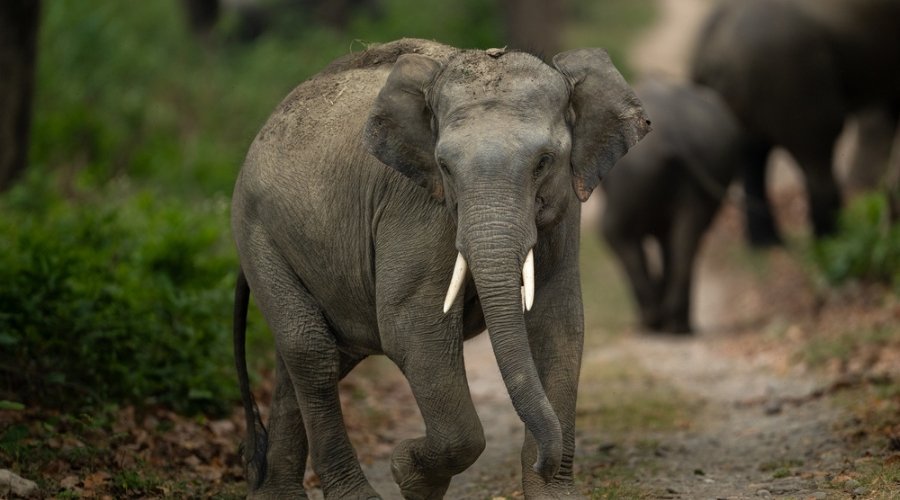
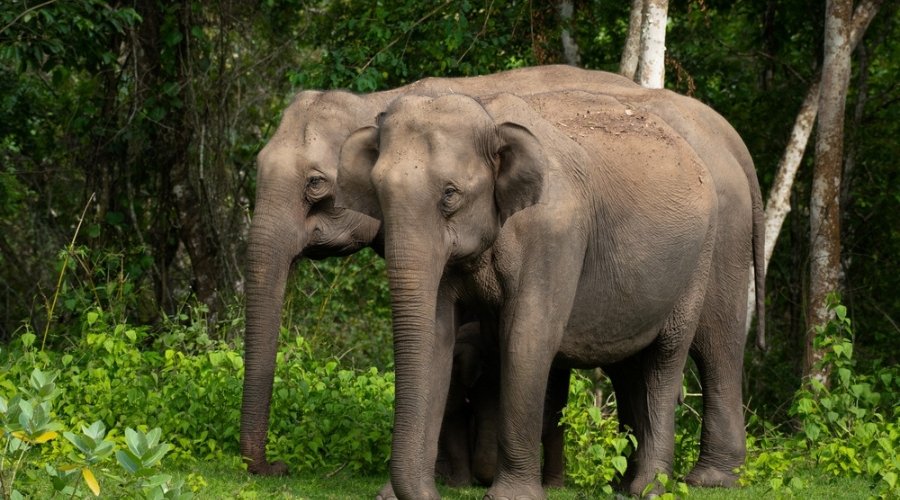
The alarm call erupts fifty metres ahead—sambar’s distinctive bark announcing danger. Our jeep stops in Dhikala’s grassland expecting tiger. Instead, the elephant matriarch emerges from sal forest leading seventeen family members toward Ramganga River. We photograph frantically: calves wobbling on uncertain legs, adolescents play-sparring, the matriarch’s trunk testing wind. Twenty minutes pass documenting this magnificent herd when guide Suresh whispers: “Movement. Left flank. Two hundred metres.” The tiger—sub-adult male, maybe thirty months—crosses behind elephant family completely unconcerned by four-tonne neighbors grazing merely hundred metres distant. This juxtaposition—gentle giants and fierce cats coexisting in single frame, sharing territories across India’s forests where Australian photographers from Australia to India discover that sometimes the most compelling safari experiences involve tracking not single species but ecosystems where apex predators and ecosystem engineers navigate complex coexistence creating photographic opportunities impossible reserves dominated by individual species. This is RAPS mastery: understanding both species intimately enough guiding photographers capturing not merely animals but relationships defining India’s most biodiverse reserves.
Welcome to dual-species photography—where elephants and tigers prove that wilderness operates through coexistence rather than competition, where tracking both demands expertise exceeding sum of individual species knowledge, and where fifteen years’ RAPS experience transforms abstract ecology into tangible encounters with India’s most charismatic megafauna.
Understanding why tracking elephants and tigers together creates richer experiences than targeting single species requires recognizing ecological dynamics shaping India’s premier reserves. Jim Corbett supports approximately 250 Bengal tigers alongside 700 wild Asian elephants—extraordinary densities reflecting healthy prey bases, diverse habitats, and conservation success spanning decades. Nagarhole-Bandipur complex in Karnataka harbors 125 tigers and over 1,000 elephants creating South India’s most concentrated megafauna populations.
These aren’t random proximities but carefully calibrated coexistence evolved across millennia. Tigers, being obligate carnivores, hunt primarily ungulates—chital, sambar, wild boar—rarely threatening elephant herds except occasional predation on vulnerable calves separated from protective mothers. Elephants, herbivorous ecosystem engineers, modify habitats tigers utilize: creating grassland corridors trampling undergrowth, maintaining water sources excavating pools, dispersing seeds generating forest regeneration benefiting entire food chains.
The spatial dynamics prove fascinating. Tigers prefer dense cover: sal forests where stalking succeeds, bamboo thickets providing concealment, riverine vegetation offering ambush opportunities. Elephants favor grasslands for grazing, water bodies for bathing, fruiting trees for seasonal feasts. This habitat partitioning allows both species thriving without direct competition—tigers hunt where elephants rarely graze; elephants feed where tigers seldom ambush.
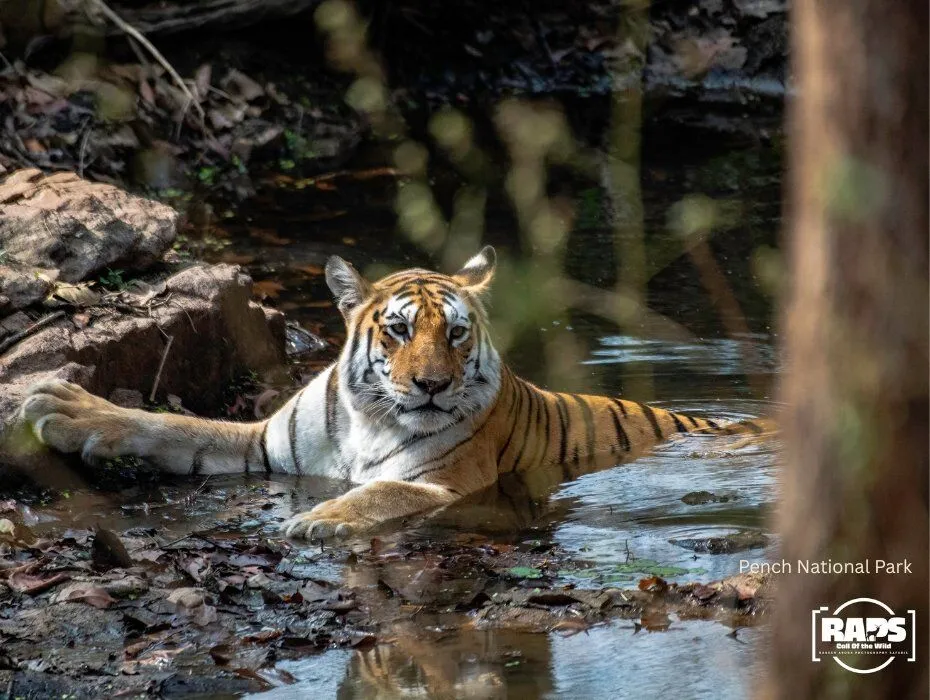
But what makes tracking both species photographically rewarding: behavioral contrasts creating complementary portfolios. Tigers deliver that adrenaline surge—heart racing as striped predator emerges, hands trembling slightly positioning cameras, absolute silence maintaining while not disturbing. Elephants provide contemplative observation—families interacting across hours, calves nursing playfully, matriarchs communicating through subtle gestures revealing intelligence matching complexity.
For RAPS photographers, dual-species safaris deliver ecosystem understanding impossible achieving through single-species focus. You’re not merely documenting animals—you’re witnessing forest function where apex predators and megaherbivores coexist creating biodiversity cascades benefiting countless species sharing habitats.
What distinguishes RAPS tracking from generic safaris: our naturalists read forests recognizing signs indicating both elephants and tigers rather than fixating single species. This holistic approach transforms safari dynamics from hope-based encounters into strategic positioning capturing whichever megafauna appears.
Guide Suresh demonstrates this methodology continuously. Fresh elephant dung steaming on trail indicates herd passed within hours—he evaluates pile size suggesting family composition, moisture content revealing timing, direction determining likely current location. Simultaneously, he scans for tiger signs: pugmarks overlaying elephant tracks indicating predator following herd, territorial scrapes marking boundaries, alarm calls suggesting big cat proximity. This dual awareness creates photography opportunities competitors miss: positioning where elephant movement patterns intersect tiger territories allows capturing both species potential single safari.
The tracking techniques differ fundamentally between species. Elephants, traveling large family groups, leave obvious signs: trampled vegetation, stripped bark, excavated wallows. Their movements follow predictable patterns—dawn feeding in grasslands, midday retreat to shade, afternoon congregation at water sources. RAPS naturalists know these rhythms intimately, positioning cameras anticipating elephant arrivals rather than hoping random encounters.
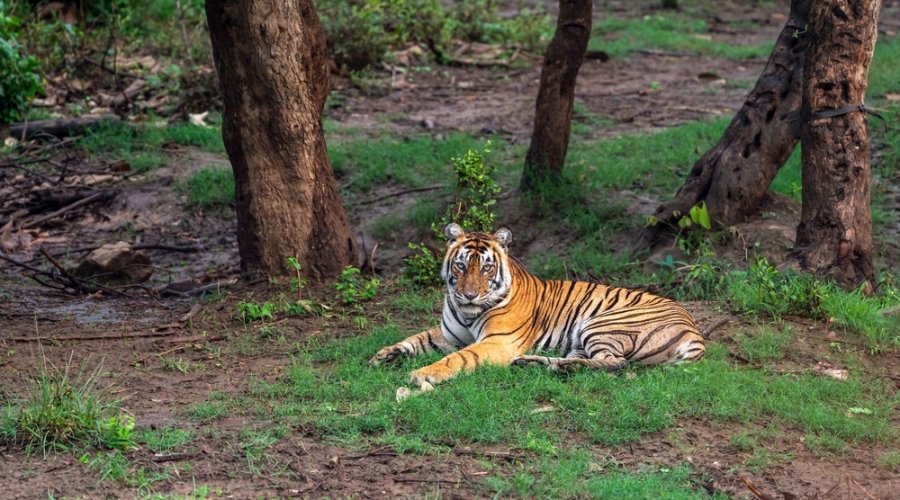
Tigers, solitary and cryptic, demand subtler tracking: reading minute disturbances in leaf litter, interpreting scent marks invisible human noses, translating alarm call intensity into distance estimates. Our guides possess tracking skills rivaling tribal hunters—they know which tigress currently occupies which territory, recognize individual pugmark signatures, predict movement routes based on prey concentrations observed previous days.
This combined expertise allows RAPS safaris maximizing encounter probability across both species. When Suresh positions jeeps specific Dhikala grassland clearings dawn, it’s because he knows elephant herds graze there mornings while tiger territories overlap creating dual-sighting possibilities. When he directs attention toward specific sal forest patches, it’s recognizing tiger utilization patterns while elephant families traverse nearby creating that magical juxtaposition where photographer might capture both species single session.
Tracking gentle giants and fierce cats demands photographic versatility adapting techniques matching each species’ behavior and habitat utilization. The technical challenges differ dramatically—requiring photographers shifting approaches rapidly when subjects transition from elephants to tigers.
Elephant photography rewards environmental portraiture. These social creatures appearing family groups benefit from compositions showing relationships: mother-calf bonds, sibling interactions, matriarch leadership. The focal lengths prove moderate: 70-200mm zooms capturing entire herds, 300-400mm isolating specific interactions. The shutter speeds remain relatively relaxed—grazing elephants move slowly allowing 1/320th-1/500th second capturing detail without freezing unnecessary motion.
The exposure challenges center on size and tone. Elephants’ gray skin photographs darker than grassland backgrounds confusing camera meters. Manual exposure proves essential: spot-meter on elephant’s illuminated portions, adjust maintaining detail across tonal range, accept some compromise between subject and environment. The dust bathing sequences particularly demand faster speeds—elephants throwing soil explosively require 1/1000th-plus freezing action where dust clouds billow yet subjects remain sharp.
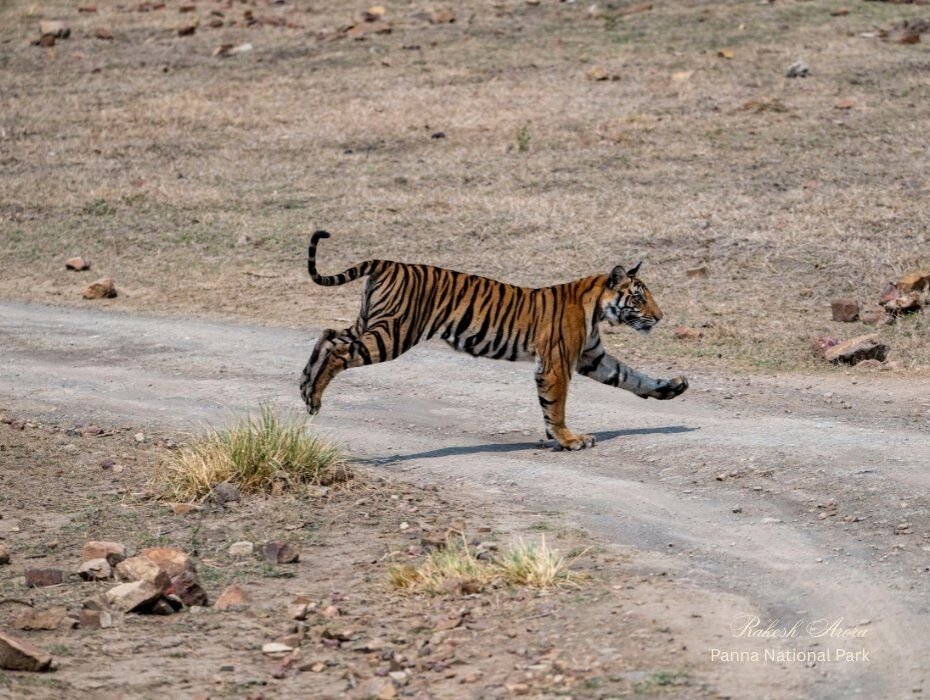
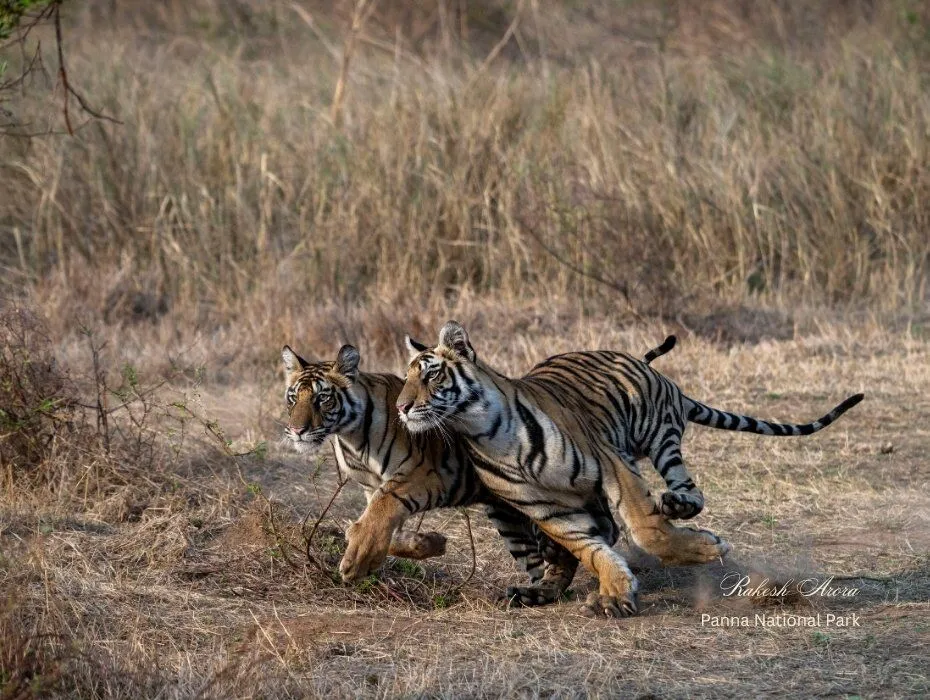
Tiger photography conversely demands longer reach and faster speeds. These solitary predators appearing individually or paired require frame-filling power: 500-600mm lenses isolating subjects against forest backgrounds, teleconverters extending reach when vegetation demands extra working distance. The shutter speeds climb dramatically—tigers moving through undergrowth, stalking prey, or merely repositioning require 1/1250th minimum preventing motion blur.
The compositional philosophy shifts fundamentally. Elephants benefit from showing context—families within grasslands, herds at water sources, individuals against Himalayan foothills backdrops characteristic Corbett. Tigers demand isolating subjects—orange forms against out-of-focus forest, predators emerging from cover, those iconic portraits where stripes and eyes command entire frame.
RAPS naturalists teach photographers anticipating these transitions. When tracking elephants, they remind maintaining shorter focal lengths ready capturing family dynamics. When alarm calls suggest tiger proximity, they signal switching to longer glass, increasing shutter speeds, preparing for briefer encounter windows requiring decisive shooting rather than extended observation elephants permit.
Planning dual-species safaris requires targeting specific reserves where both elephants and tigers thrive creating reliable encounter probability. RAPS recommends three premier destinations:
Jim Corbett represents optimal choice for Australian photographers seeking both species. The 700 elephants concentrate Dhikala zone’s grasslands—those iconic chaurs where family herds graze openly against Ramganga River backdrops. The 250-plus tigers utilize surrounding sal forests, occasionally crossing grasslands creating photographic gold when predator and pachyderm appear simultaneously. Corbett operates November through June, with March-May delivering highest sighting probabilities as summer heat concentrates wildlife at water sources.
Nagarhole-Bandipur complex in Karnataka offers Southern India alternative. The 1,000-plus elephants represent India’s densest wild elephant populations, while 125 tigers maintain territories throughout interconnected forests. The Kabini River backwater creates photogenic settings where both species drink, creating reflection opportunities impossible landlocked reserves. November through February delivers comfortable temperatures ideal extended safaris.
Kanha provides Central India option combining barasingha (swamp deer) alongside elephants and tigers creating tri-focal wildlife experiences. Though elephant densities prove lower than Corbett or Nagarhole, the sal-bamboo-grassland mosaic creates stunning environmental portraits when herds appear.
For RAPS clients, we coordinate logistics across these reserves: securing Dhikala overnight permits in Corbett (essential accessing premier elephant zones), booking optimal zones in Nagarhole allowing dual-species encounters, and timing visits matching seasonal patterns maximizing photography opportunities. Many properties near these reserves accommodate solo travelers and women-only groups, recognizing serious wildlife photography attracts independent practitioners regardless of demographics—the gentle giant and fierce cat providing appropriate metaphors for strength manifesting through gentleness and power channeled through precision.
Ultimately, tracking elephants and tigers with RAPS represents commitment to holistic wildlife observation valuing ecosystems over individual species, relationships over isolated sightings, and understanding that India’s most profound safari experiences emerge from witnessing coexistence rather than merely documenting charismatic megafauna.
When that elephant matriarch leads family past grazing tiger, when predator and pachyderm acknowledge each other through glances suggesting mutual respect rather than fear, when your frames capture not competition but coexistence proving wilderness operates through cooperation complexity exceeding human simplifications—you understand why gentle giants and fierce cats deserve equal photographic attention.
After fifteen years leading safaris across India’s premier reserves, RAPS maintains absolute conviction: the most transformative wildlife encounters involve recognizing that forests function through relationships rather than individuals, that tracking multiple species reveals ecological truths single-species safaris miss, and that sometimes the greatest photographic privilege involves witnessing moments where gentle meets fierce, where giants coexist with cats, and where wilderness reveals itself not through dominance but through that intricate dance of coexistence defining India’s forests where elephants and tigers continue writing evolutionary stories begun millennia before cameras existed yet continue unfolding for those willing investing expertise, patience, and respect enough witnessing both species not as competing attractions but as complementary components within ecosystems their presence defines and their coexistence celebrates.