India Travel Tours From Australia - Adventure | Oceania

India Travel Tours From Australia - Adventure | Oceania
March 30, 2026
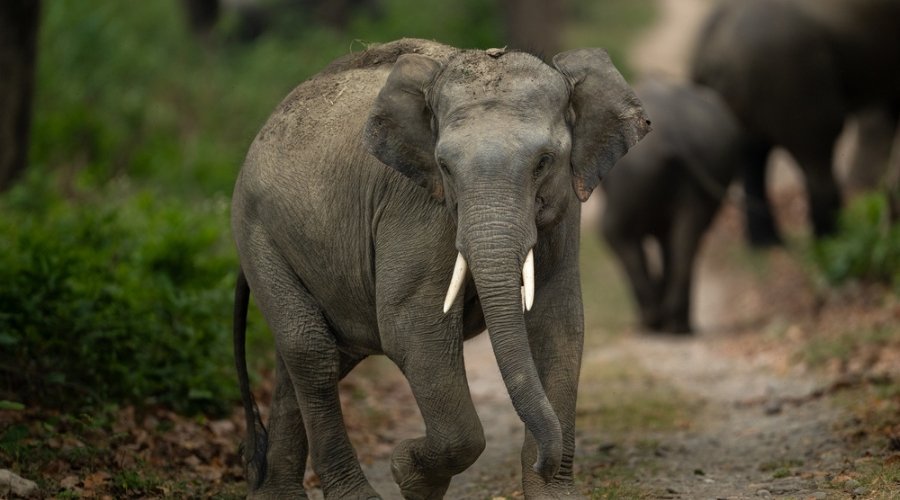
The matriarch emerges from sal forest density into Dhikala’s chaur—that distinctive grassland clearing where Ramganga River curves creating natural amphitheater photographers dream about. Behind her: seventeen family members ranging from week-old calf wobbling on uncertain legs to adolescent males testing independence boundaries. This herd, which our RAPS naturalist Suresh has tracked across eight seasons, demonstrates why photographing wild Asian elephants in Corbett represents odyssey rather than casual wildlife viewing—these creatures operate on generational timescales where matriarchs remember routes their grandmothers taught them, where Australian photographers from Australia to India discover that documenting elephants means understanding societies as complex as human clans, and where fifteen years’ RAPS expertise transforms random sightings into meaningful encounters with Corbett’s 700 Asian elephants whose behaviors, personalities, and family dynamics we’ve observed across decades creating knowledge impossible achieving through brief visits to India’s oldest national park.
Welcome to the elephant odyssey—where riverine jungles meet Himalayan foothills creating habitat supporting India’s most substantial elephant populations, where Corbett wilds deliver encounters rivaling anywhere globally, and where RAPS guidance unlocks photographic opportunities only reserves protecting megafauna through dedicated conservation provide.
Understanding wild Asian elephant photography in Corbett begins with recognizing social complexity making these animals utterly distinct from solitary tigers or even pride-based lions. The elephants operate matriarchal societies where eldest, most experienced female governs family units comprising daughters, granddaughters, and their offspring. These matriarchs—some living sixty-plus years—accumulate ecological wisdom: which routes avoid conflict, which water sources remain reliable through drought, which forest corridors connect territories safely.
Corbett’s 700 Asian elephants form component of larger Uttarakhand population (approximately 1,792 individuals statewide) utilizing corridor connecting Corbett to Rajaji National Park northwest. This migratory pattern—elephants moving seasonally between reserves following ancient pathways—creates photography opportunities and challenges. The herds aren’t stationary. They traverse territories spanning hundreds of square kilometres, appearing Dhikala zone one week, Bijrani sector next, then vanishing into buffer zones before returning weeks later.
The RAPS advantage: our naturalists track these movements intimately. Suresh recognizes specific matriarchs—that distinctive individual missing left ear tip from old territorial dispute, the one carrying characteristic gait from injury healed years ago—allowing identifying which family currently utilizes which zones. This knowledge transforms abstract “elephant safaris” into targeted encounters with specific herds whose histories we’ve documented across years.
The male elephants, expelled from maternal herds around age ten-to-twelve avoiding inbreeding, form bachelor groups or travel solitarily. These bulls, particularly musth males during breeding season, display different behaviors than family herds: more aggressive, less predictable, occasionally dangerous requiring respectful distance even professional guides maintain carefully. Photographing bulls demands different approaches than documenting family herds—more caution, wider angles maintaining safe working distances, elevated alertness reading body language telegraphing agitation before it manifests dangerously.
Corbett’s multiple zones offer varied elephant photography opportunities, but Dhikala represents pinnacle experiences. This core zone—accessible only via overnight stays in forest rest houses or restricted canter safaris—encompasses approximately 120 square kilometres including the iconic chaurs: vast grassland meadows where Asian elephants graze openly creating compositions impossible dense-forest reserves.
The morning scenario RAPS photographers experience repeatedly: dawn departures from Dhikala rest house catching first light illuminating grasslands where elephant herds feed actively after overnight forest movements. The wild backdrop—Ramganga River flowing through valley, Shivalik foothills rising beyond, sal forests framing grasslands—creates environmental portraits showing elephants within landscape rather than isolated against out-of-focus backgrounds.
The technical advantages Dhikala delivers: open terrain allowing working distances photographers control rather than accepting whatever forest density permits. Family herds grazing chaurs tolerate vehicles approaching thirty-to-forty metres—close enough frame-filling portraits yet distant enough preventing disturbance. This accessibility, combined with dramatic landscape elements, explains why Dhikala produces India’s most iconic elephant imagery.
The compositional opportunities prove endless. Elephants crossing Ramganga create reflection opportunities doubling subjects against water’s mirror surface. Calves playing in shallows while mothers watch protectively deliver behavioral sequences revealing family bonds. Dust bathing rituals—elephants coating themselves in fine soil preventing parasites—create atmospheric images where subjects emerge from self-generated clouds backlit by afternoon sun.
But what distinguishes RAPS Corbett experiences: Suresh positions cameras anticipating action rather than reacting. He knows this matriarch brings her herd to specific water point mid-morning. He understands which grassland sections elephants favor during which seasons. He recognizes behavioral cues—trunk raised testing wind, ears spread indicating alertness—predicting movements allowing photographers preparing rather than scrambling when opportunities materialize.
Wild Asian elephant photography demands technical approaches differing from typical wildlife work. The primary challenge: size. A four-tonne matriarch fills frame quickly even moderate focal lengths, creating compression issues where entire family cannot fit single composition without sacrificing compelling individual detail.
The RAPS methodology teaches focal length selection matching intent. For environmental portraits showing elephants within Corbett’s landscape: 70-200mm zooms capturing family herds against grassland-forest-foothill backdrops. For behavioral documentation: 300-400mm lenses isolating interactions—calf nursing, adolescents sparring, matriarchs communicating through subtle trunk gestures. For tight portraits emphasizing texture: 500mm capturing trunk wrinkles, ear veins, eyes reflecting intelligence impossible appreciating casual observations.
The exposure considerations prove complex. Elephants’ gray skin—dark against Dhikala’s bright grasslands—fools camera meters programmed expecting mid-tone subjects. Auto-exposure underexposes elephants into silhouettes or overexposes backgrounds blowing highlights completely. Manual mode proves essential: spot-meter on elephant’s illuminated portions, adjust maintaining detail across tonal range accepting some compromise between subject and environment.
The shutter speed requirements depend on behavior. Grazing elephants allow relatively slow speeds—1/320th second suffices when subjects move minimally. But playful calves, charging bulls, or rapid trunk movements demand 1/1000th-plus freezing action completely. The dust bathing sequences particularly require fast speeds: elephants throwing soil explosively create movement photographers must freeze capturing peak action where dust clouds billow yet subjects remain sharp.
The light quality in Corbett varies dramatically across zones and seasons. Dhikala’s open grasslands deliver harsh midday light creating strong shadows under elephant bodies—beautiful when used deliberately emphasizing three-dimensionality, problematic when blinding highlights overwhelm image. Morning and evening golden hours remain optimal: warm side-lighting reveals skin texture magnificently while softer intensity allows capturing both elephant detail and environmental context without exposure compromise.
Between dawn and afternoon safaris photographing Corbett’s Asian elephants, the reserve’s position within Kumaon region introduces cultural restoration matching physical nourishment. The cuisine particularly—Kumaoni hill food reflecting Himalayan foothills geography—offers sustenance between intensive photography sessions.
Bhatt ki churkani represents regional staple: black soybean preparation combining protein-rich legumes with minimal spicing allowing natural flavors dominating. Aloo ke gutke, spiced potatoes cooked traditional kadhai creating crispy exterior while maintaining soft interior, provides carbohydrate foundation. Gahat dal, horse gram lentil soup, delivers warmth appreciated during cold season mornings when temperatures drop toward 5-8°C.
The meat preparations reflect mountain traditions: chicken cooked with local hill spices, mutton curries utilizing minimal water adapting to scarcity characterizing higher elevations. Singodi, sweetmeat wrapped in malu leaf, provides dessert utilizing wild-gathered ingredients connecting eaters to forest surrounding them.
These meals, consumed at lodges near Ramnagar or Dhikala rest house dining halls between safaris, become cultural education as important as wildlife documentation. The food carries stories—communities adapting to mountain conditions, ingredients gathered from forests elephants traverse, cooking techniques predating modern infrastructure by centuries.
For Australian photographers reaching Corbett from Australia, logistics flow through Delhi or via direct access to Pantnagar airport eighty kilometres distant. From Delhi, the drive to Ramnagar (gateway town serving Corbett) takes approximately six hours through increasingly scenic landscapes as plains transition into Himalayan foothills. Trains from Delhi to Ramnagar provide alternative—overnight journeys delivering travelers directly to park vicinity.
Corbett operates mid-November through mid-June with Tuesday closures for most zones. November through February delivers comfortable temperatures (8-22°C), active wildlife behavior, and that crisp mountain light creating exceptional photography conditions. March through June sees temperatures climbing toward 35-40°C but offers advantages: grasslands brown creating cleaner backgrounds, elephants concentrating at water sources, and vegetation thinning improving visibility.
Dhikala zone—premier elephant photography location—requires overnight stays in forest rest houses booked months advance through competitive online system. The alternative: canter safaris allowing day access to Dhikala without overnight accommodation though photographic freedom reduces compared to private vehicle flexibility overnight guests enjoy. RAPS coordinates both options, securing permits maximizing encounter probability while targeting optimal zones.
Bijrani, Jhirna, and Durga Devi zones offer excellent elephant sightings without Dhikala’s booking complications. These zones operate year-round (except Bijrani seasonal closure) providing backup options when Dhikala permits prove unavailable. Many lodges near these zones accommodate solo travelers and women-only groups, recognizing serious wildlife photography attracts independent practitioners regardless of demographics—the matriarchal elephant societies themselves providing appropriate metaphor for female-powered travel.
Ultimately, the RAPS elephant odyssey photographing wild Asian elephants in Corbett wilds represents commitment to understanding subjects rather than merely documenting them, to recognizing that these intelligent, social, emotionally complex creatures deserve observation depth matching their cognitive sophistication, and to accepting that meaningful wildlife photography sometimes requires investing years—through guides who’ve tracked herds across decades—rather than hoping three-day visits deliver portfolio masterpieces.
When that matriarch finally leads her family back into sal forest, when calves have nursed and played and learned lessons survival demands, when your memory cards document not merely elephants but families whose histories RAPS has followed across generations—you understand why Corbett represents something beyond typical safari destination. The Asian elephants traverse routes ancestors walked when this forest housed royal hunting grounds. The matriarchs carry wisdom accumulated across lifetimes. And RAPS continues curating encounters—expedition after expedition—for those recognizing that sometimes wildlife photography’s greatest privilege involves witnessing not individual animals but societies functioning on timescales matching our own, where grandmothers teach granddaughters, where family bonds transcend biology into genuine culture, and where photographing giants means honoring them through observation patience matching the elephantine timescales on which these magnificent creatures operate their lives, navigate their landscapes, and continue odysseys begun long before cameras existed to witness them.