India Travel Tours From Australia - Adventure | Oceania

India Travel Tours From Australia - Adventure | Oceania
March 28, 2026
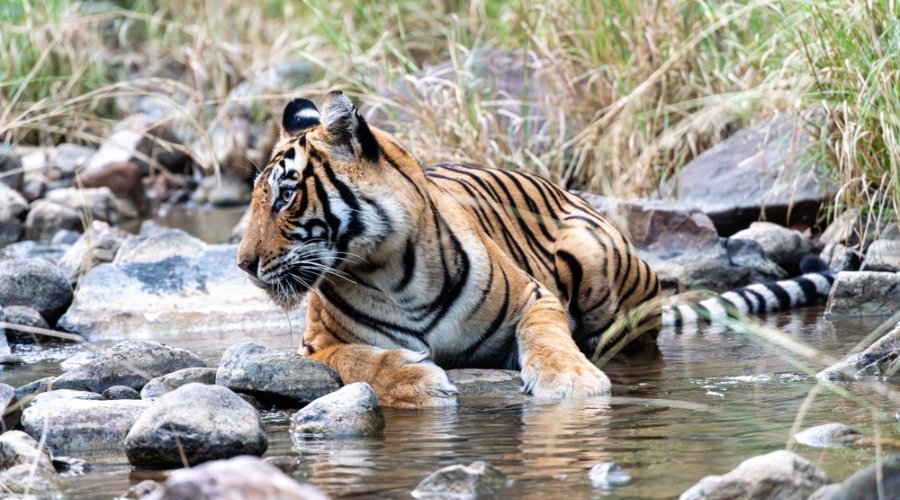
The tigress pauses beneath the chhoti chattri—that iconic domed pavilion rising on carved sandstone pillars where centuries of monsoons weathered stone into silver-gray perfection. She positions herself precisely where morning sun angles through archways creating natural spotlight, her orange coat glowing against weathered architecture, stripes echoing the shadows cast by pillars supporting dome overhead. This composition—Bengal Tiger framed within 10th-century Rajput architecture, wildlife meeting heritage in single frame—represents why Australian photographers from Australia to India increasingly choose RAPS for Ranthambhore experiences: sometimes the most powerful wildlife images emerge not from forests alone but from reserves where apex predators inherited territories amidst forts, palaces, and ruins creating photographic opportunities impossible replicating anywhere globally. This is the RAPS Dynasty—fifteen years curating safaris where majestic wilderness meets Ranthambhore’s architectural legacy, where guiding framing decisions transforms random sightings into portfolio masterpieces.
Welcome to Rajasthan’s tiger kingdom—where 69 Bengal Tigers patrol territories dotted with chattris, jharoh
as, and palace ruins, where photographing predators means positioning cameras capturing both species and centuries simultaneously, and where RAPS expertise unlocks compositional possibilities only reserves combining UNESCO World Heritage architecture with healthy big cat populations deliver.
Understanding Ranthambhore’s photographic uniqueness begins with recognizing geological and historical convergence creating landscape unlike any other tiger reserve. The terrain—where Aravalli and Vindhya ranges meet—created strategic military position medieval kingdoms defended fiercely. The Ranthambhore Fort, constructed 944 AD, dominated trade routes connecting Malwa plateau to northern territories. Around this impregnable fortress, communities built stunning architecture: hunting lodges for royalty, temples honoring deities, pavilions marking water sources, tombs celebrating departed nobles.
Then came Mughal conquest in 1569. Emperor Akbar’s forces breached supposedly impregnable defenses. Decades became centuries. Communities relocated. Buildings weathered into ruins. And forest reclaimed human spaces.
But what makes Ranthambhore extraordinary: these ruins never disappeared entirely. When Project Tiger designated the reserve 1973, approximately 400 square kilometres contained not merely wilderness but wilderness interwoven with architectural remnants. The Raj Bagh palace—three-story structure overlooking lake on three sides, massive jharokha (overhanging balcony) still intact—became tiger territory rather than tourist monument. The chhoti chattri, that photogenic domed pavilion sitting perfectly positioned near Rajbagh Lake, transformed into occasional tiger resting spot. The fort itself, now UNESCO World Heritage Site, looms above forest providing backdrop visible across reserve.
For RAPS photographers, this architectural legacy creates framing opportunities defining Ranthambhore photography. Tigers don’t merely walk through forests—they lounge under domes, hunt around heritage lakes, cross stone bridges connecting palace remnants, and patrol territories where every compositional element carries centuries’ weight. The challenge and opportunity: positioning cameras capturing both predator and architecture, both present and past, both wildness and human history collapsed into single decisive frame.
Ranthambhore’s 69 Bengal Tigers (2022 census) operate within social structures photographers tracking through RAPS expeditions learn intimately. The current dynasty descends largely from Machli—the legendary tigress who died 2016 aged approximately nineteen years. Her prodigy includes Krishna (T-19), whose territory overlaps Zone 3’s Raj Bagh and Padam Talao areas where architectural density peaks. Star Male (T-28) patrols territories spanning multiple zones. Sultan (T-72), Noor (T-39), and Arrowhead represent younger generation establishing dominance.
But what distinguishes Ranthambhore from reserves where tigers remain anonymous orange forms: here, individuals possess identities photographers recognize across visits. RAPS guides maintain detailed knowledge: which female currently occupies Rajbagh palace vicinity, which male claims fort periphery territories, which cubs recently reached independence creating territorial flux. This knowledge allows strategic positioning: if Krishna hunts around Padam Talao mornings, we position there pre-dawn. If Sultan utilizes stone bridge crossing Rajbagh Lake, we wait elevated positions capturing his reflection-doubled form against palace ruins.
The daytime activity patterns Ranthambhore tigers display—unusual globally where most big cats turn nocturnal near human activity—creates photography windows extending beyond typical dawn/dusk restrictions. Midday encounters happen regularly: tigers resting under chattris escaping heat, drinking at lakes where stone steps descend into water creating leading lines, even crossing open maidans in bright afternoon light. This diurnal behavior, combined with habituated tolerance allowing vehicles approaching fifteen-to-twenty metres, explains Ranthambhore’s reputation delivering world’s most accessible tiger photography.
Framing majestic Bengal Tigers against Ranthambhore’s forts and ruins demands photographic approaches beyond standard wildlife technique. The architectural elements—vertical pillars, horizontal archways, diagonal roof lines—create compositional structures cameras must utilize rather than ignore.
The RAPS methodology emphasizes three approaches. First: framing through architecture. When tigers appear near Rajbagh palace, positioning jeeps capturing subjects through jharokha windows or between pillars creates natural frames directing viewer attention while adding depth. The chhoti chattri particularly offers compositional gold: tiger positioned under dome creates shelter suggestion while pillars create vertical rhythms echoing predator’s stripes.
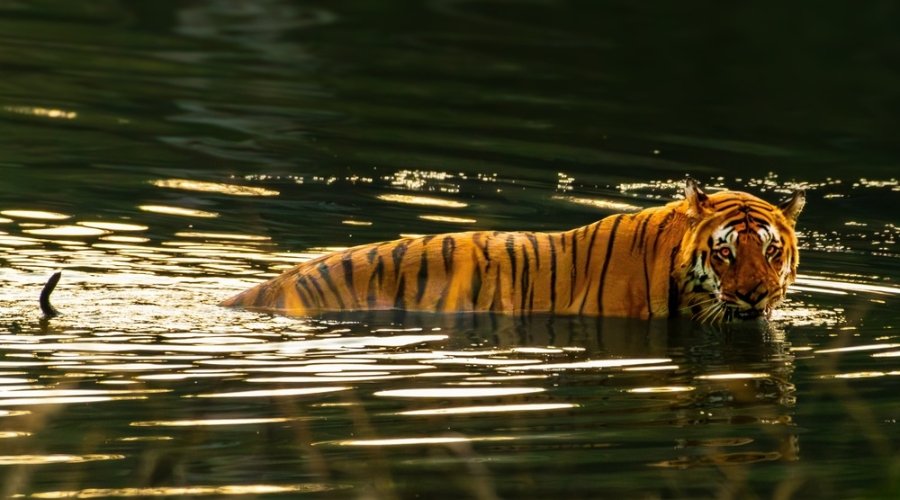
Second: utilizing reflections. Ranthambhore’s three major lakes—Padam Talao, Rajbagh Talao, Malik Talao—create mirror surfaces during calm mornings. Tigers approaching to drink create reflection opportunities: subject doubled, architecture beyond mirrored, creating symmetrical compositions impossible achieving terrestrial environments. The stone steps descending into Padam Talao add leading lines guiding eyes toward subjects whether drinking or merely surveying territories.
Third: environmental portraiture prioritizing context. While frame-filling tiger portraits prove dramatic, Ranthambhore’s unique aesthetic rewards wider compositions showing subjects within architectural landscape. The fort rising on hillside visible from certain zones creates dramatic background element. The Raj Bagh ruins—domes, arches, weathered walls—provide mid-ground elements establishing scale and context.
Technical considerations adapt necessarily. The stone architecture—predominantly weathered sandstone ranging cream-to-orange tones—creates backgrounds lighter than typical forest. This demands exposure compensation: meters fooled by bright backgrounds underexpose tigers into shadow unless manually overridden. Spot-metering on tiger’s illuminated portions, then slight underexposure maintaining highlight detail in stone, proves optimal approach learned through RAPS training emphasizing precision over automation.
The focal length selection differs expectations. While 500-600mm lenses dominate many tiger reserves, Ranthambhore’s relatively open deciduous forest and close approach distances reward 300-400mm ranges. These allow environmental context—capturing tiger and chattri, predator and palace, subject and centuries—within single composition rather than isolating animals from settings making Ranthambhore unique.
Between dawn and afternoon safaris, Ranthambhore’s position within Rajasthan introduces cultural dimensions enriching wildlife experiences beyond photography. The cuisine particularly—Rajasthani food culture where desert adaptation created distinctive preparations—reflects landscape through ingredients and techniques.
Dal baati churma represents Rajasthan’s culinary soul: spicy lentil curry (dal) paired with ghee-soaked wheat balls (baati) baked to crispy perfection, finished with sweet crumbled wheat preparation (churma) creating symphony balancing spicy, savory, and sweet. This dish originated warrior camps where baati’s long shelf life and minimal water requirements suited desert campaigns—now it graces every celebration table across Rajasthan.
Laal maas, the fiery mutton curry, delivers bold flavors matching desert intensity. Slow-cooked meat in spicy gravy colored blood-red by Mathania chillies creates heat non-vegetarian enthusiasts celebrate. Served with bajra roti (pearl millet flatbread), laal maas represents royal hunting heritage transformed into regional signature.
Gatte ki sabzi offers vegetarian counterpoint: gram flour dumplings simmered in tangy yogurt-based gravy creating protein-rich preparation utilizing ingredients suited arid conditions where fresh vegetables proved scarce. Ker sangri—dish combining dried desert berries and beans—represents culinary adaptation to landscapes where conventional produce rarely grew, yet kitchens created complexity from limitation.
These meals, consumed at properties near Sawai Madhopur between photography sessions, become cultural education matching wildlife documentation. The food carries stories—traditions shaped by water scarcity, royal kitchens elevating cooking into art, and communities maintaining practices predating modern refrigeration.
For Australian photographers reaching Ranthambhore from Australia, logistics flow straightforwardly through Jaipur—Rajasthan’s capital receiving excellent domestic and international connectivity. The drive from Jaipur to Sawai Madhopur (nearest town serving Ranthambhore) takes approximately three hours through agricultural landscapes transitioning into deciduous forest. Alternatively, trains from Jaipur to Sawai Madhopur Junction require just two hours, with the railway station sitting mere eleven kilometres from sanctuary gates.
Ranthambhore operates October through June with Wednesday closures. November through February delivers optimal conditions: comfortable temperatures (10-25°C), active wildlife, and that crisp winter light central India produces magnificently. March through June sees temperatures climbing toward 40°C but offers advantages: thinning vegetation dramatically improving visibility, wildlife concentrating at water sources, and highest sighting probabilities as summer heat drives tigers toward lakes during daytime.
The ten safari zones operate booking through Rajasthan Forest Department’s online portal. Zone 3—containing Rajbagh Lake, Raj Bagh palace ruins, and Padam Talao—remains most sought after for architectural photography. Zones 4 and 5 also access significant ruins while maintaining healthy tiger populations. RAPS coordinates zone allocation, securing permits maximizing encounter probability while targeting zones delivering compositional diversity.
Accommodation clusters around Sawai Madhopur offering options spanning budget guesthouses to premium wildlife resorts. Properties like Oberoi Vanyavilas, Aman-i-Khas, and Taj’s Sher Bagh combine luxury with proximity, offering naturalist-guided safaris, cultural programs exploring Rajput heritage, and cuisine celebrating regional traditions. Many lodges now accommodate solo travelers and women-only groups, recognizing serious wildlife photography attracts independent practitioners regardless of demographics.
The RAPS difference manifests through details: guides knowing which tigers utilize which architectural locations, naturalists recognizing behavioral cues predicting movement toward photogenic sites, and that accumulated wisdom transforming three-day visits into concentrated masterclasses rather than hoping luck delivers portfolio images.
Ultimately, the RAPS Dynasty represents more than branding—it’s philosophy recognizing that Ranthambhore rewards expertise over chance, that framing majestic Bengal Tigers amidst forts requires understanding both predator ecology and architectural positioning, and that fifteen years’ experience tracking specific lineages through specific ruins creates guidance tourists cannot replicate through independent exploration.
When that tigress finally emerges from beneath the chhoti chattri, when your frame holds not merely subject but centuries, when weathered stone and living predator coexist proving wilderness and heritage aren’t opposites but complements—you understand why Ranthambhore represents photography’s apex fusion. The majestic cats patrol territories ancestors claimed when these palaces housed royalty rather than ravens. The forts rise as they’ve risen millennium, witnessing kingdoms fall yet tigers persist. And RAPS continues curating encounters—expedition after expedition—for those recognizing that sometimes the greatest wildlife images emerge not from pristine wilderness but from landscapes where nature reclaimed human spaces creating photographic theater impossible imagining, extraordinary to witness, and unforgettable to capture through lenses positioned by guides whose dynasty of knowledge matches the tiger lineages they’ve tracked across fifteen years documenting Ranthambhore’s incomparable fusion of apex predators and architectural grandeur.
March 26, 2026