India Travel Tours From Australia - Adventure | Oceania

India Travel Tours From Australia - Adventure | Oceania
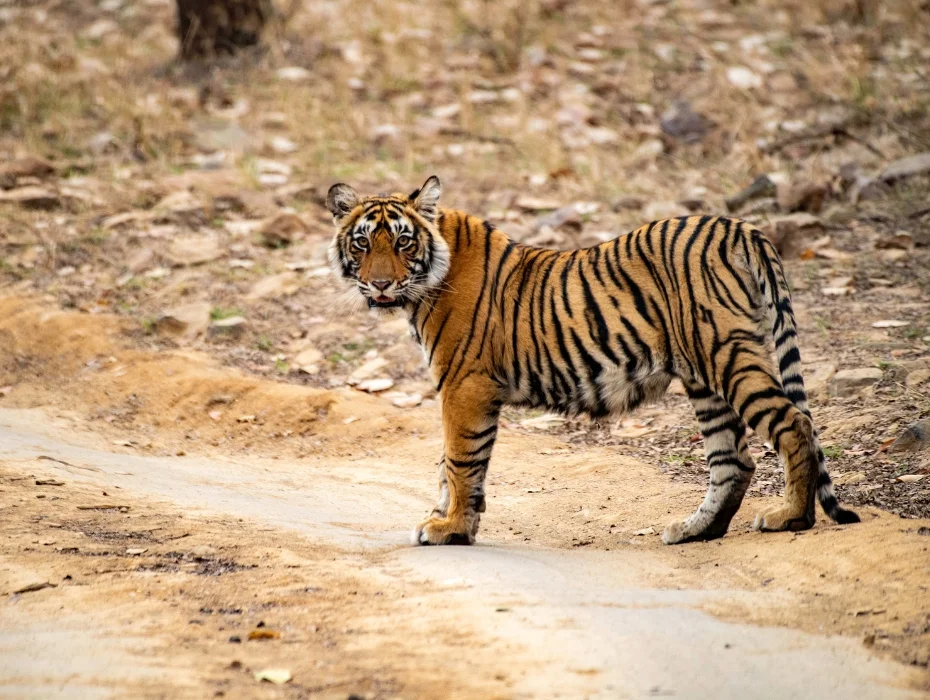
Standing out in stark contrast to the biological desert that Rajasthan has become, the Ranthambhore forest is like a balm, its soothing effect palpable the moment one enters the portals of the massive stone ramparts of the fabled Ranthambhore Fort. Constructed to protect kings… the battlements now defend another threatened monarch – the tiger.
Gir is also a great place to see leopards, or panthers as they are also called. Much smaller than lions, they are more agile, climb trees and therefore manage to keep out of the way of the heavier, more powerful cats. Sambar, chital (now abundant), nilgai (the largest Indian antelope), four horned antelope and chinkara are the deer prey species seen all over the park.
Other prey species include langur and wild boar. Porcupine, hare and jackal are also found in Gir. Carnivores such as wildcats, jackals, foxes, hyaenas and ratels are found in the park, each occupying their own very special niche. There are 25 species of reptiles in Gir, the most visible of which are the marsh crocodile, which can be seen in the rivers and the Kamleshwar dam reservoir. Monitor lizards are also possible to see. Pythons, cobras, the fish-eating keelbacks and whipsnakes are some of the other snakes that inhabit the park.
Experience India’s Wonders with Us, From Australia to Wild Stories of India.