India Travel Tours From Australia - Adventure | Oceania


India Travel Tours From Australia - Adventure | Oceania
March 4, 2026
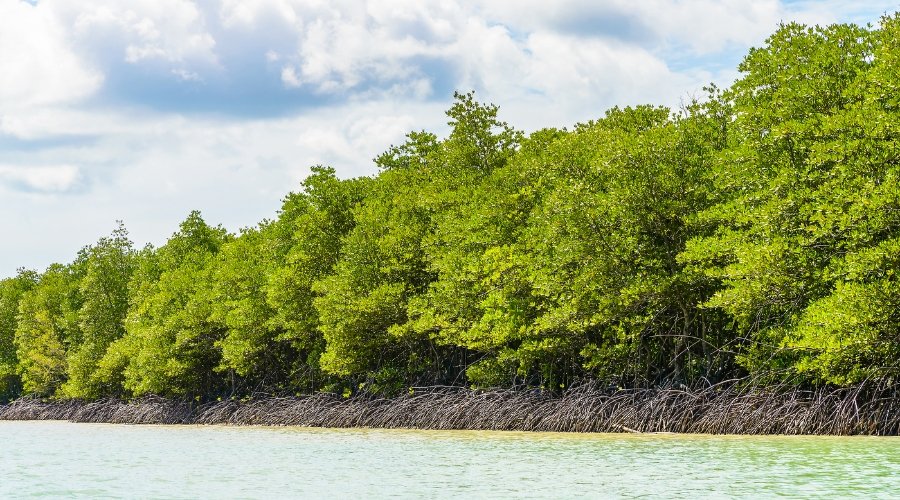
I’m currently sitting on the deck of a wooden boat, swatting away mosquitoes the size of small birds, listening to my local guide, a bloke named Tariq. Tariq has a jagged, nasty scar running down his left calf—a parting gift from a wild boar he bumped into years ago in the thicket. When ecologists talk about the Sundarbans, they love to throw around the word “survivalists.” But out here, staring into the impenetrable wall of 10,000 square kilometres of tidal mangrove forest, that word doesn’t mean what you probably think it means. It’s not about doomsday prepping or hoarding canned goods. It’s about a relentless, gritty, daily negotiation between wilderness and humanity. Out here, tigers swim back and forth between Bangladesh and India without giving a damn about borders humans drew on maps, and four million people have to figure out how to coexist with the most lethal apex predator on the planet, all while massive cyclones regularly try to wipe their villages off the face of the earth.
For a lot of us Aussie wildlife photographers, the word “tourism” can sometimes feel like a dirty word. We’ve all seen beautiful places completely loved to death by crowds. But the Sundarbans flips that script entirely. The remarkable truth I’ve discovered out here in the mud is that conservation tourism—when it’s actually done right—is the only economic engine keeping this entire ecosystem alive.
Before you can truly understand how your camera lens saves trees, you need to understand what’s actually at stake. The Sundarbans is not just a glorified, fenced-in safari park. It’s a UNESCO World Heritage Site, and it acts as the absolute frontline defence for coastal West Bengal and southern Bangladesh. When those monster cyclones start brewing in the Bay of Bengal—and they are getting more violent and frequent every single year thanks to shifting climate patterns—this mangrove forest is the only thing standing in the way. It absorbs the massive storm surges. It slows the cyclonic winds. Without these tangled roots, millions of people would simply wash away. Scientists reckon the ecosystem services provided by this place—things like carbon sequestration, crucial nursery grounds for fish, and coastal protection—are worth a staggering ₹12.8 billion every single year. Oh, and it happens to be the habitat for about 100 Bengal tigers on the Indian side alone.
But here is the uncomfortable reality we have to face. The exact same four million people who rely on the forest to buffer the cyclones historically had to tear it down just to feed their kids. When you have zero economic alternatives, you do what you have to do to survive. You head into restricted zones to fish. You chop down old-growth mangroves for cooking fuel. You wade into the tiger-infested mud to collect wild honey—a job so notoriously dangerous that entire villages out here are composed of “tiger widows.” Every single one of these survival activities degrades the ecosystem.
This is exactly where we come in. Conservation tourism didn’t show up here to preach to the locals; it showed up as a brutal, necessary economic evolution.
When I bring a group of Aussie shooters out here on a specialised photography boat, the math changes instantly. Our permit fees don’t just disappear into some bureaucratic black hole; they flow directly to the Forest Department to fund anti-poaching patrols and habitat protection. Our accommodation fees keep eco-lodges running, which in turn employ the local communities. And Tariq, my guide with the boar scar? He used to illegally extract resources from this forest just to make ends meet. Now, he’s a highly respected naturalist earning a reliable, safe living by teaching us how to read the tides and spot tiger pugmarks in the mud.
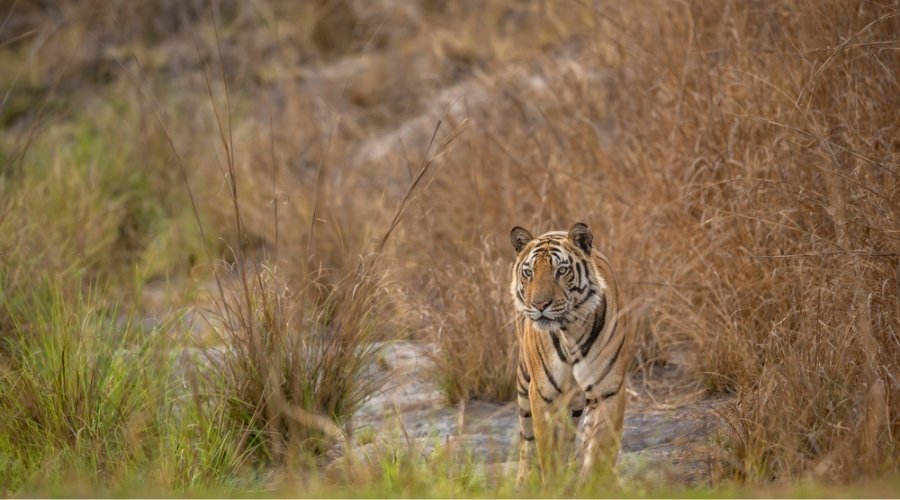
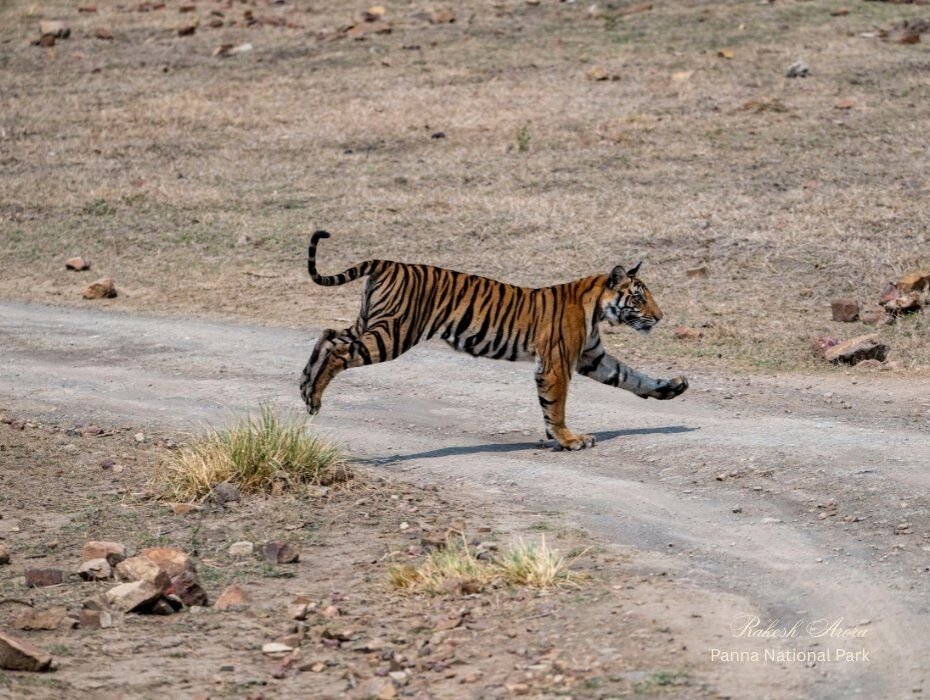
The real magic, though, is how it has completely rewired the local relationship with the tigers themselves. In the old days, a poached tiger was a massive, once-off payday. But today? A live tiger, swimming across a channel and getting photographed by a boat full of tourists, generates sustained, year-round income for guides, boat captains, cooks, and the entire village economy. It’s not theoretical, pie-in-the-sky environmentalism. It is cold, hard economics. A live tiger simply pays the bills.
Because of this shift, you now have Village Tiger Response Teams operating in dozens of communities bordering the forest. These aren’t government officials in crisp uniforms. They are local blokes and women trained to manage human-wildlife conflict. If a tiger wanders too close to a village, they track it, secure the area, and alert the authorities before someone gets killed or the cat gets poisoned in retaliation. They are paid through conservation budgets funded heavily by tourism revenue. You have former honey collectors retraining as licensed guides. You have the sons of fishermen learning how to use DSLR cameras so they can teach visiting tourists. You have local women running cooperatives that produce and sell handicrafts at the visitor centres. It is a total transformation of a local economy.
As Australians, we inherently get this kind of rugged, unforgiving environment. We know what it means to track cassowaries through the sweltering, leech-infested Queensland rainforests, or to sit in the red dirt of the Kimberley waiting days for the perfect light to hit a gorge. The Sundarbans requires that exact same brand of stubbornness. You will spend hours on a muddy boat, sweating through your shirt, scanning dark mangrove roots for a flicker of orange, accepting that nature does not give a toss about your schedule.
But when you finally make the trip, you realise you aren’t just a passive observer snapping photos. Your presence is a tangible lifeline. This ecosystem is under terrifying pressure right now. Climate change is jacking up the salinity levels in the water, which alters which mangroves can survive and forces the tigers’ prey to shift. Rising sea levels are threatening to completely submerge massive chunks of the forest within our lifetimes. Industrial pollution from the fringes is a constant, looming nightmare.
It is a fragile, razor-thin balance. If unmanaged mass tourism takes over, with a hundred diesel boats chasing one tiger and polluting the waterways with plastic, it will destroy the very thing it’s trying to save. But specialised, low-impact photography expeditions represent tourism at its absolute best.
The people living out here in the Sundarbans aren’t just adapting to a harsh world. They are actively demonstrating that humanity and apex predators can actually coexist when the economic model aligns human wellbeing with ecosystem health. So when you finally pack your Pelican case and book that flight, you aren’t just going to take a photo. You are becoming a vital participant in a survival strategy—one that ensures these mangroves keep standing against the cyclones, and those swimming tigers keep haunting the labyrinth for generations to come.