India Travel Tours From Australia - Adventure | Oceania

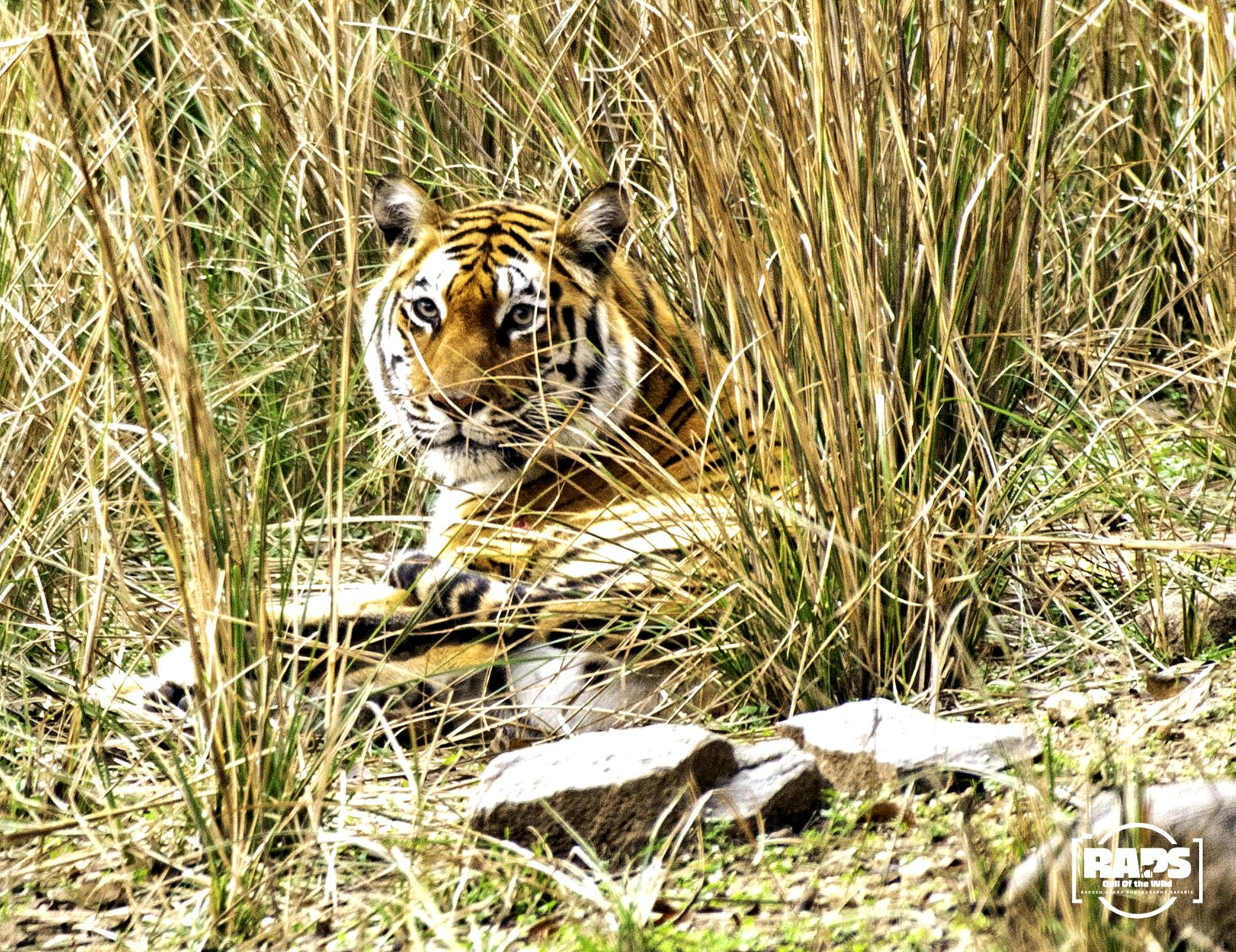
Tiger sitting in bushes in pench tiger reserve in australia

Pench Tiger Reserve

Pench National Park is located on the boundary of Seoni and Chhindwara districts of Madhya Pradesh, close to Maharashtra’s northern border. The reserve lies in the forest belt that extends to Balaghat in the east and Nagpur district to the south. The park is named after the Pench river and is contiguous with the forest on the southern side in Maharashtra that has been notified as the Pandit Jawaharlal Nehru National Park. It is approximately 250 km from Tadoba-Andhari Tiger Reserve (TATR). It is the panoramic beauty of this region that has been described as early as the beginning of the 20th century by naturalists like Captain J. Forsyth in ‘Highlands of Central India’ and by Rudyard Kipling in the ‘Jungle Book’.

History And Culture

Nestled in the lower southern reaches of the Satpura ranges at approximately 580 metres above sea level, Pench Tiger Reserve stands today as one of the most celebrated destinations on the MP tiger circuit tour — and its landscape tells you exactly why. The terrain here is beautifully undulating, punctuated by sharp, cone-like hills that rise dramatically from the forest floor. Several of these hills soar beyond 675 metres, with Arjal Matta, Kalapahad, Chhindimatta, and Kumbhadeo forming the defining skyline of the Seoni district. Further into Chhindwara district, ridgelines extend all the way to Pulpuideh village before sloping gracefully toward the Pench river, only to climb again toward Totladoh.

This ancient landscape has cradled human history for centuries. Long before Pench became central to the tiger conservation story India reserves, the forests here were home to Gond and Korku tribal communities whose deep ecological knowledge shaped a relationship with the wild that was as reverent as it was practical. The hills and valleys that tourists traverse today on wildlife safaris were once the hunting grounds of Mughal emperors and later came under the administrative watch of the British Central Provinces, where forest officers began documenting the remarkable density of wildlife that made this region exceptional.

At the heart of it all flows the Pench River itself, moving almost through the centre of the reserve from north to southwest. This river is not merely a geographical feature — it is the living spine of the ecosystem and the reason Pench figures so prominently in every serious tiger-conservation story India reserves discussion. Its waters draw prey species year-round, making tigers’ territories here naturally defined and astonishingly productive for sightings. As summer deepens and the river recedes through April, it leaves behind a necklace of small pools — called kasa or doh locally — that become critical watering holes and natural theatres for some of the most dramatic wildlife encounters in the country.

The Pench reservoir further shapes the ecology, submerging low-lying lands on either side of the river and creating a mosaic of wetland and forest edge habitat. For those planning an MP tiger circuit tour that connects Kanha, Bandhavgarh, and Pench, it is this layered complexity — geological, ecological, and cultural — that makes Pench the most textured and rewarding stop on the circuit. Here, history is not found in monuments but in the pugmarks pressed into alluvial riverbanks and in tribal songs that still describe a forest much as Rudyard Kipling once imagined it. Discover India’s untamed luxury with RAPSafaris

Vegetation / Flora

  • The forests are mainly Southern tropical dry deciduous and dry mixed deciduous forests. Teak Tectona grandis dominates, comprising 25-50 per cent of the species. Moyan, Mahua, Mokha, Skiras, Tendu, Bijra, Garari etc. are associates of teak. Dhaora Anogeissus latifolia, lendia/seja Lageostroemia parvifl ora, saja Terminalia tomentosa, salai Boswellia serrata, bija Pterocarpus marsupium, bhirra Chloroxylon swietenia and sirus Albizzia lebbeck are other trees. Bamboo occurs sparsely, restricted to some valleys. Chiltai, mahulbel and palas bhel are common climbers in areas along the river and large water sources.
  • In Chhindwara, you would see weeds like chirota Cassia tora and gokharu Xanthium strumatium while in areas around Chedia, Alikatta, Tikari and Ambar village, Lantana camara predominates. Parthenium is found in submergence areas along the Pench river. Heteropogon contortus, Digitaria cilliaris and Eulaliopsis binata are common grasses.

Solo & Group Safaris, and Culture Trails

Experience India’s Wonders with Us, From Australia to Wild Stories of India.

What Our Clients Say

Travelling is not just a journey, it's a story.

The experience of wildlife photography with RAPS was absolutely unforgettable. The team's expertise and commitment to conservation storytelling made every moment magical. I highly recommend their tours for those looking to connect with nature on a deeper level.

The eagerness to reach Kaziranga was precious. I truly value the custom photography safaris and the amazing resort that was managed for us. Far from home, a bit of freedom and flexibility in going with such individuals. I enjoyed it a lot, and I anticipate figuring out the pictures and getting a charge out of recollecting all the things we did during our Kaziranga wildlife safaris.

This was the best safari adventure I have ever had. My journey partners were incredible, the food and resort were brilliant, and above all, I took in an enormous quantity about a collection of photography practices from our regarded Rakesh Sir.

Rakesh Arora Photography Safari gave me considerably more than a normal safari visit. The friends, guide and the pictures collected from my excursion. will remain with me until the end of time. My expectations were enormously surpassed by things I would never have conjured up.

Receive a AUD $500 Discount per Person* on Any RAPSafaris Package

Book before 28 February 2026 and enjoy a AUD $500 discount per person on any RAPSafaris package. Use coupon code LRF0226.

Book Now