India Travel Tours From Australia - Adventure | Oceania


India Travel Tours From Australia - Adventure | Oceania
March 11, 2026
Planning a safari at Jawaharlal Nehru National Park requires understanding its unique position within India’s tiger reserve network. Located in Maharashtra’s Nagpur district, this 257-square-kilometre protected area forms the eastern portion of the larger Pench Tiger Reserve, which spans both Maharashtra and Madhya Pradesh. For Australian travellers planning tiger safaris in India, this park offers an alternative to the more crowded Madhya Pradesh sector while delivering equally compelling wildlife encounters.
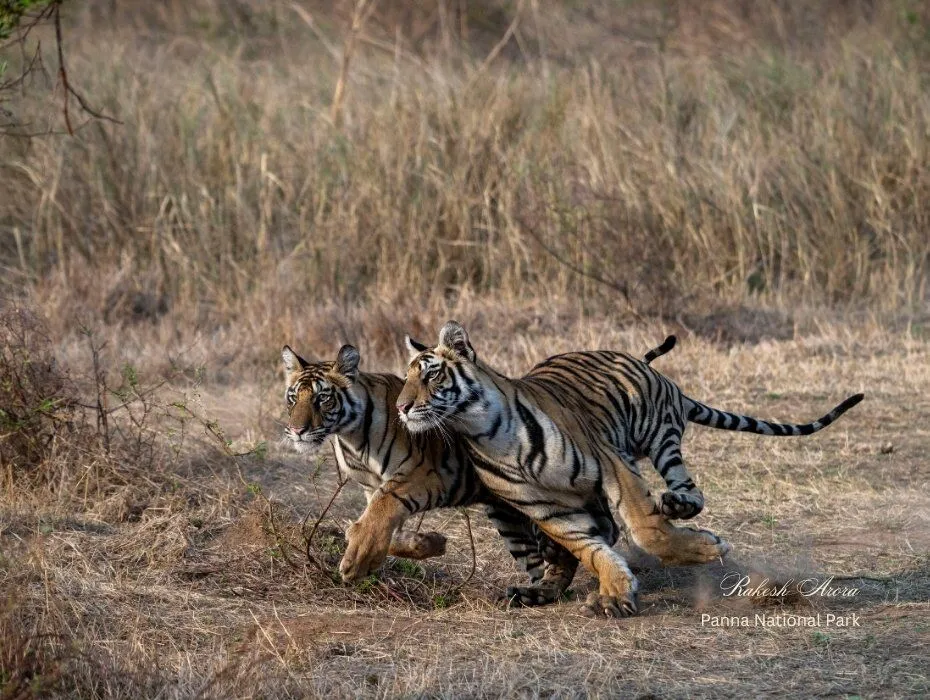
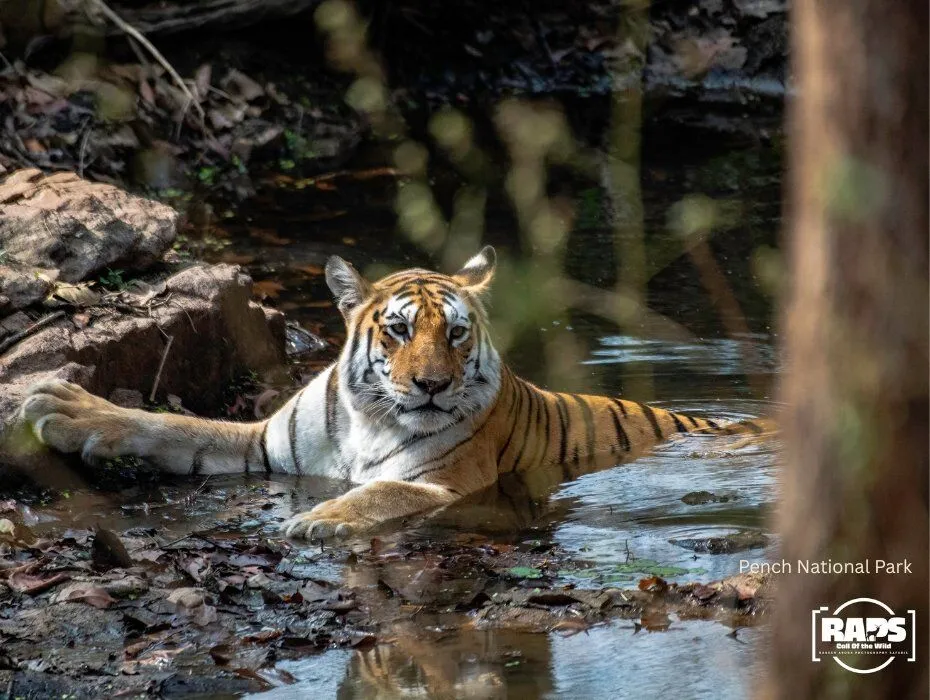
Pandit Jawaharlal Nehru National Park encompasses the Maharashtra side of Pench Tiger Reserve. The Pench River creates a natural boundary between the two states while supporting interconnected ecosystems where approximately 50-60 Bengal tigers move freely across administrative borders.
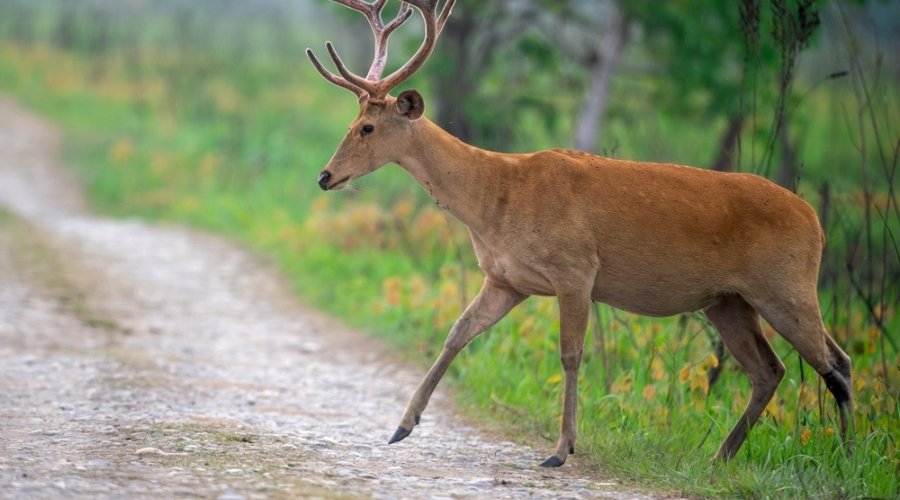
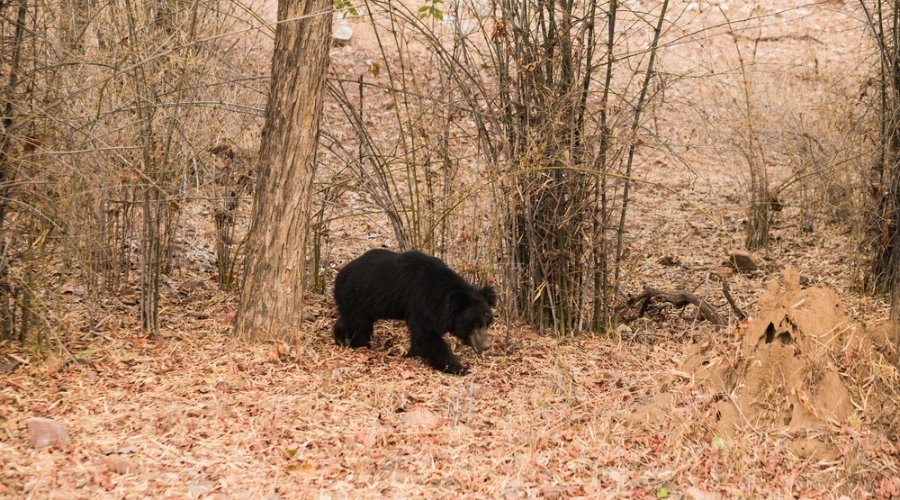
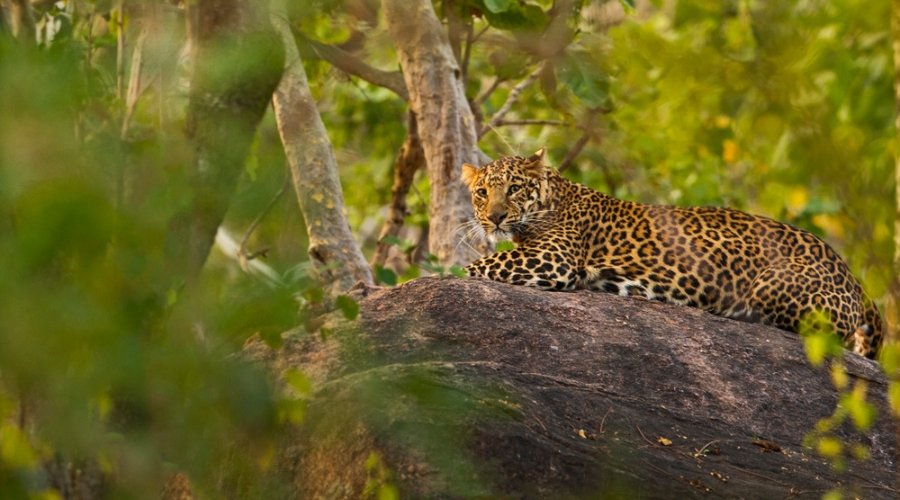
The terrain consists primarily of tropical dry deciduous forest dominated by teak, tendu, and segun trees. Open grasslands called maidans alternate with dense forest cover, creating the classic central India landscape that inspired Rudyard Kipling’s Jungle Book. This ecosystem supports diverse wildlife including Indian leopards, sloth bears, gaur, four-horned antelope, wild dogs, and over 210 bird species.
The Maharashtra sector receives significantly fewer visitors than its Madhya Pradesh counterpart, resulting in less crowded safari experiences. While the MP side operates extensive tourism infrastructure with multiple zones and luxury accommodations, the Maharashtra sector maintains simpler facilities focused primarily on wildlife viewing rather than resort amenities.
Safari permits for Jawaharlal Nehru National Park operate through the Maharashtra Forest Department’s online booking system. Unlike Madhya Pradesh’s well-established digital platforms, Maharashtra’s system updates less frequently and requires more direct engagement.
Key booking details:
The park operates October through June with Tuesday closures, standard across Maharashtra’s tiger reserves. Safari timings follow standard patterns: morning slots 6:00-10:00 AM and afternoon sessions 3:00-6:30 PM.
Walk-in availability exists during shoulder seasons (October-November and March-April) when tourist pressure remains lower than peak winter months. However, advance booking ensures guaranteed access, particularly for Australian travellers with fixed international flight schedules.
From Australia to Jawaharlal Nehru National Park:
Air travel: International flights arrive at major Indian hubs (Delhi, Mumbai). Domestic connections serve Nagpur’s Dr. Babasaheb Ambedkar International Airport, located 90 kilometres from park gates.
Road transfer: The drive from Nagpur airport to Khursapar gate takes approximately two hours through agricultural landscapes and orange orchards. Road quality remains excellent throughout the journey.
Alternative access: Jabalpur airport (230 kilometres distant) serves travellers combining both Madhya Pradesh and Maharashtra sectors of Pench, though transfer times extend to 4-5 hours.
Regional positioning: The park’s proximity to Tadoba Andhari Tiger Reserve (140 kilometres) allows efficient multi-park itineraries covering Maharashtra’s primary tiger reserves within single trips.
Lodging near Jawaharlal Nehru National Park concentrates around Khursapar gate, offering options across budget categories:
Budget accommodations: Basic guesthouses providing essential amenities, suitable for travellers prioritising safari time over luxury facilities. Rates typically range ₹1,500-3,000 per night.
Mid-range eco-lodges: Properties balancing comfort with conservation values, often employing local communities and funding habitat protection initiatives. These lodges typically offer 10-15 rooms, creating intimate environments where guests share wildlife passion. Rates range ₹4,000-8,000 per night including meals.
Proximity considerations: Most accommodations sit within 10-15 minutes’ drive from park gates, allowing early morning departures catching optimal wildlife activity periods.
Facilities: Properties increasingly cater to solo travellers and women-only groups, providing single-occupancy options and female-friendly amenities reflecting changing demographics of serious wildlife enthusiasts.
Unlike the extensive luxury resort infrastructure characterising Madhya Pradesh Pench, Maharashtra sector accommodations maintain more modest profiles. This proves advantageous for photographers prioritising field access and safari logistics over resort amenities like spas or swimming pools.
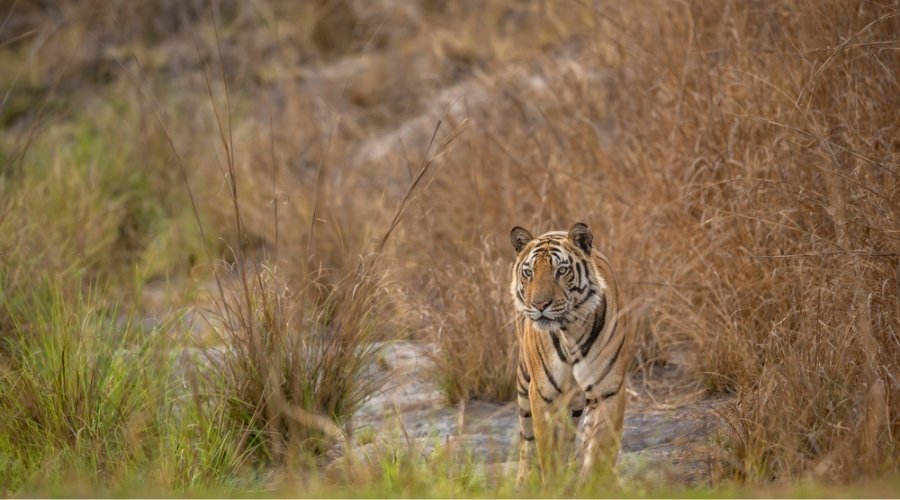
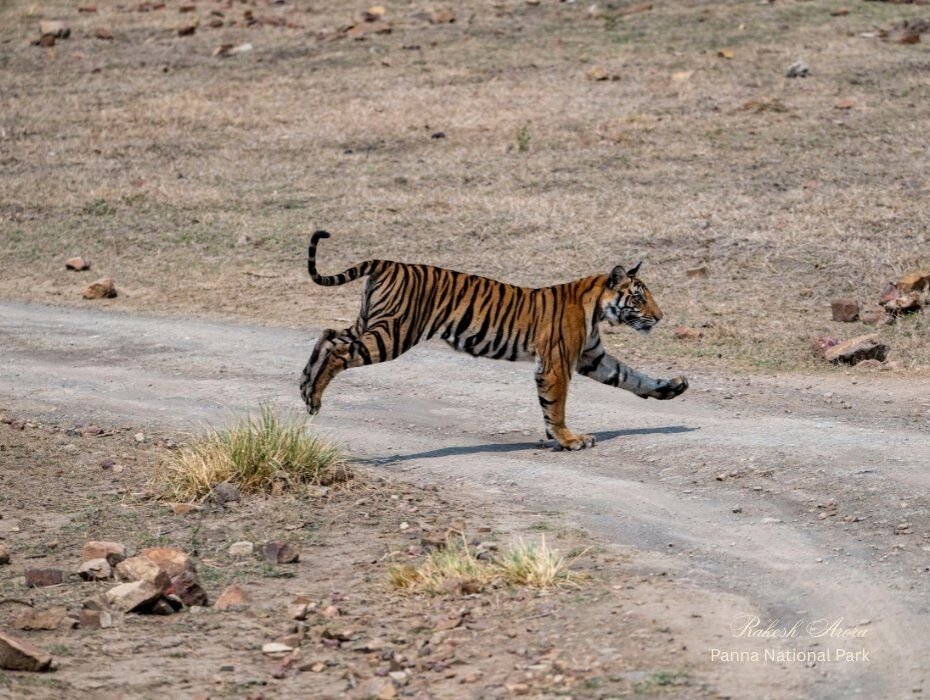
Tiger sighting probability: Approximately 60-70 percent across 4-5 safaris during peak season (November-March), comparable to Madhya Pradesh sector statistics.
Vehicle density: Significantly lower than Madhya Pradesh zones. Where MP sectors might position 15-20 jeeps at popular tiger sightings, Maharashtra zones rarely exceed 6-8 vehicles total, creating more contemplative observation opportunities.
Wildlife behaviour: Tigers in the Maharashtra sector demonstrate less habituation to safari vehicles compared to heavily visited reserves. This maintains natural wariness creating authentic predator behaviour rather than posed tolerance, particularly valuable for photographers seeking genuine wildlife documentation.
Optimal timing: December through March delivers comfortable temperatures and highest tiger encounter probability. February through April provides excellent sightings despite climbing heat as vegetation thins and water sources concentrate wildlife.
Birdlife: The zones bordering Pench River support exceptional diversity including Malabar pied hornbills, Indian pitta, racket-tailed drongos, and numerous winter migratory species. Early morning safaris particularly reward bird photographers.
Australian photographers investing significant travel time reaching central India benefit from experiencing both state sectors:
Recommended allocation: 2-3 nights per state allows experiencing different zones while maximising tiger encounter probability across larger territory.
Strategic advantages: Tigers moving between states mean if one sector experiences temporary wildlife dispersal from tourism zones, the other often delivers. This dual-state approach provides contingency ensuring productive safaris regardless of temporary animal movements.
Logistical efficiency: Accommodations near state borders allow accessing both sectors within 30-60 minute drives, enabling flexible daily planning based on recent sighting reports.
Ideal duration: 10-14 days allows visiting 3-4 reserves with adequate time per location. This pacing prevents safari fatigue while providing genuine encounter opportunities.
Best seasons: October-November offers post-monsoon lushness with comfortable temperatures. February-March delivers highest sighting probability though temperatures approach 35-40°C.
Equipment recommendations: 400-600mm telephoto lenses suit the forest environment. Monopods provide necessary stability during extended observations from stationary vehicles.
Health and safety: Standard precautions include comprehensive travel insurance, malaria prophylaxis during monsoon fringes, and carrying personal first-aid supplies. Reputable lodges maintain filtered water systems and hygienic kitchens meeting international standards.
Booking timeline: Reserve accommodations and permits 2-3 months advance for peak season (December-February). Shoulder seasons allow more flexibility with occasional walk-in availability.
The Maharashtra sector of Pench offers distinct advantages for wildlife enthusiasts seeking authentic experiences over tourist convenience:
Lower crowding: Fewer vehicles create contemplative rather than competitive wildlife viewing.
Natural behaviour: Less habituated tigers display genuine predator patterns valuable for serious photography.
Accessible wilderness: Despite simpler infrastructure, the park delivers genuine jungle experiences without requiring extreme remoteness or difficult logistics.
Conservation value: Tourism revenue directly funds Maharashtra Forest Department protection efforts including anti-poaching patrols and habitat management.
For Australian travellers willing to navigate slightly more complex booking procedures and accept modest accommodation in exchange for uncrowded tiger encounters, Jawaharlal Nehru National Park represents an excellent choice within India’s tiger tourism landscape.