India Travel Tours From Australia - Adventure | Oceania

India Travel Tours From Australia - Adventure | Oceania
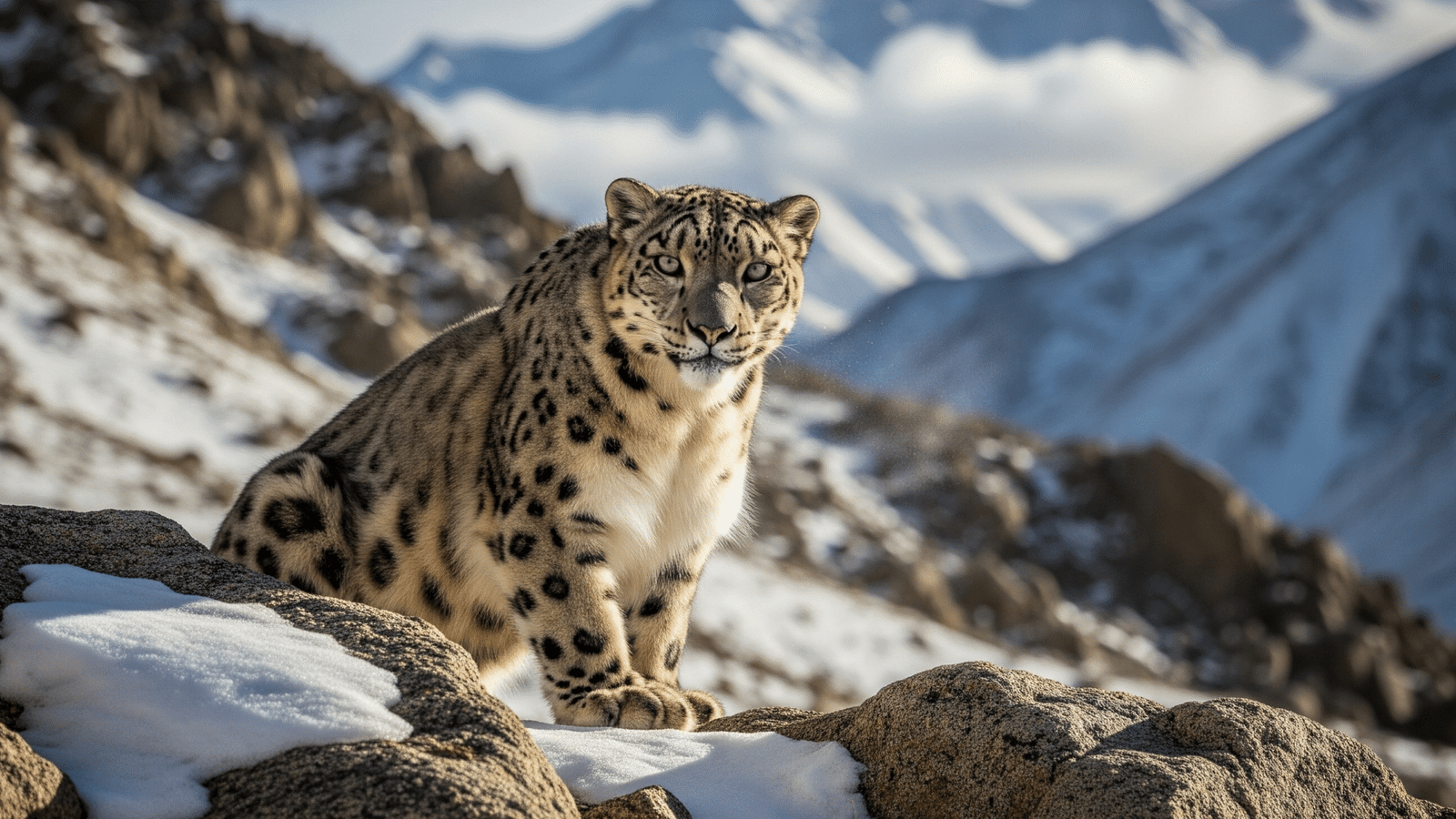
Amid the towering peaks and silent valleys of the Indian Himalayas, life endures against the odds. Here, in one of the planet’s most fragile ecosystems, dwell a handful of rare and resilient predators—creatures that define the wild spirit of the mountains.
Foremost among them is the Snow Leopard (Panthera uncia), the ghost of the Himalayas. Draped in smoky-gray fur and marked with rosettes that vanish into the rocks, this elusive cat moves with quiet grace across cliffs and ridgelines between 3,200 and 5,200 meters above sea level. Its presence commands reverence—it is not just a predator, but a symbol of survival. Feeding primarily on bharal (blue sheep) and ibex, the snow leopard holds the delicate food web of the high Himalayas in balance. With only 400–700 individuals estimated in India, every sighting is both a privilege and a reminder of what’s at stake.
Alongside the snow leopard roams the Tibetan Wolf, a hardy subspecies of the gray wolf that keeps the vast plateaus alive with movement. Overhead, the Golden Eagle soars with fierce majesty, while the Bearded Vulture (Lammergeier) circles high above, purifying the land as nature’s vital scavenger. Each of these species plays a role in maintaining the intricate equilibrium of life at the roof of the world.
Yet, this harmony is fragile. The threats of habitat loss, climate change, poaching, and human-wildlife conflict loom large, pushing these apex predators closer to the edge. But hope endures. Through efforts like Project Snow Leopard, India is pioneering a model of conservation that places local communities at the heart of protection—empowering herders, researchers, and rangers to coexist with and safeguard the wild.
Experience India’s Wonders with Us, From Australia to Wild Stories of India.