India Travel Tours From Australia - Adventure | Oceania

India Travel Tours From Australia - Adventure | Oceania
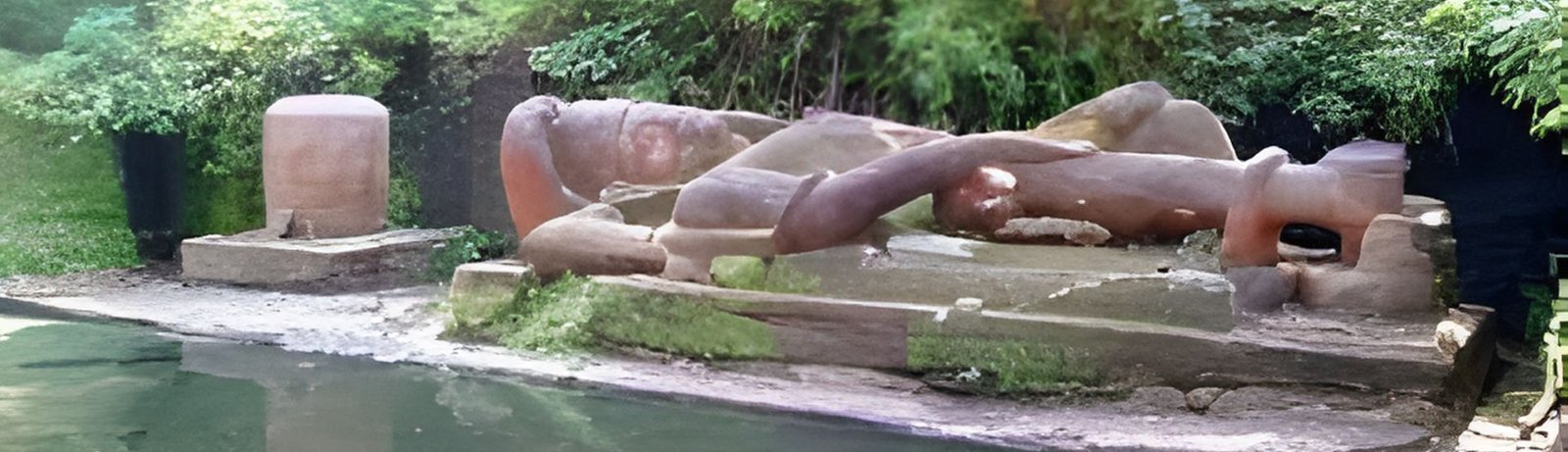
Deep in the heart of India, Bandhavgarh national park isn’t just a tiger sanctuary; it’s a 2,000-year-old living museum. Archaeological digs have unearthed 26 Buddhist caves and Brahmi inscriptions from the 2nd century, proving this wild scrub was once a thriving trade hub. The crown jewel is Shesh Shaiya, a massive 10th-century sandstone Vishnu reclining on a serpent, where the sacred Charanganga River literally begins at the deity’s feet. Australian travelers are increasingly seen on the Central India Tiger Circuit, often choosing Bandhavgarh as their “big ticket” destination.
Conservation Dollars That Actually Count
When Australians arrive at Bandhavgarh National Park, there’s often this moment of genuine recognition: this is what a comeback actually looks like.
India’s tigers were on the ropes. In 2006, fewer than 1,500 wild tigers remained across the entire country. Today, that number has more than doubled — past 3,600 — and places like Bandhavgarh sit right at the heart of that turnaround. It’s 2026 and there are 58 designated tiger reserves in India. It didn’t happen by accident. It happened because of rangers walking patrol at 3am, because of local villagers choosing to protect rather than poach, and yes — because of travellers like you, who chose to come here instead of somewhere else.
The full journey — from the brink of extinction to the thriving dynasties you might just witness from the back of a jeep — is told right here in our Tiger Conservation Story.
Australians, coming from a culture that deeply values the “Outback” and raw, unmanicured wilderness, are drawn to Bandhavgarh’s high density of tigers. Unlike other parks where you might go days without a sighting, Bandhavgarh offers a high probability of seeing tigers behaving naturally—hunting, playing, or cooling off in waterholes. It feels like “proper” bushcraft rather than a curated tour.
While Australia has a rich indigenous history, it lacks the 2,000-year-old stone architecture found in Bandhavgarh. For an Aussie tourist, seeing a 10th-century Vishnu statue (Shesh Shaiya) or ancient caves tucked inside a jungle is a mind-bending contrast. It’s the “Indiana Jones” factor—wildlife safari meets Lara Croft-style exploration.
Many international visitors, including Australians, were inspired by the BBC Earth series Dynasties, narrated by David Attenborough, which filmed a famous tigress (Raj Bhera) and her cubs in Bandhavgarh. For many, coming here is a pilgrimage to see the “stars” of that documentary.
The topography of Bandhavgarh National Park—with its dramatic Vindhya hills, steep cliffs, and rocky plateaus—is very photogenic. It provides a “layered” landscape that photographers from the Southern Hemisphere find refreshing compared to the flat, open plains of African safaris or the Australian scrub.
Australians are often keen birdwatchers. With over 250 species of birds, including the Malabar Pied Hornbill and various eagles, Bandhavgarh satisfies that “twitcher” itch that is common among Aussie nature lovers.
Nobody really knows who built the Bandhavgarh Fort — and honestly, that mystery is part of its magic. What we do know is that humans have been drawn to this land for thousands of years, long before we ever thought to protect it. Deep inside the sandstone caves near the fort, you’ll find Brahmi inscriptions scratched into rock in the 1st century B.C.— and in one cave called Bagdhalak, someone took the time to carve the stripe patterns and pugmarks of a big cat into the wall. Even then, people couldn’t stop thinking about tigers. Some things never change.
This land has seen empires come and go — the Chandelas, the warrior clans, the Baghels of Rewa who eventually claimed the fort as their capital in the 17th century. Kings fought bloody battles for these hills. And yet, through every conquest and collapse, the big cats padded silently through the undergrowth, completely unbothered. The Rewa family still holds legal ownership of the fort today — the only privately owned land inside any National Park in India — a quirk of history that somehow feels perfectly fitting for a place this unusual.
Experience India’s Wonders with Us, From Australia to Wild Stories of India