India Travel Tours From Australia - Adventure | Oceania

India Travel Tours From Australia - Adventure | Oceania
April 2, 2026
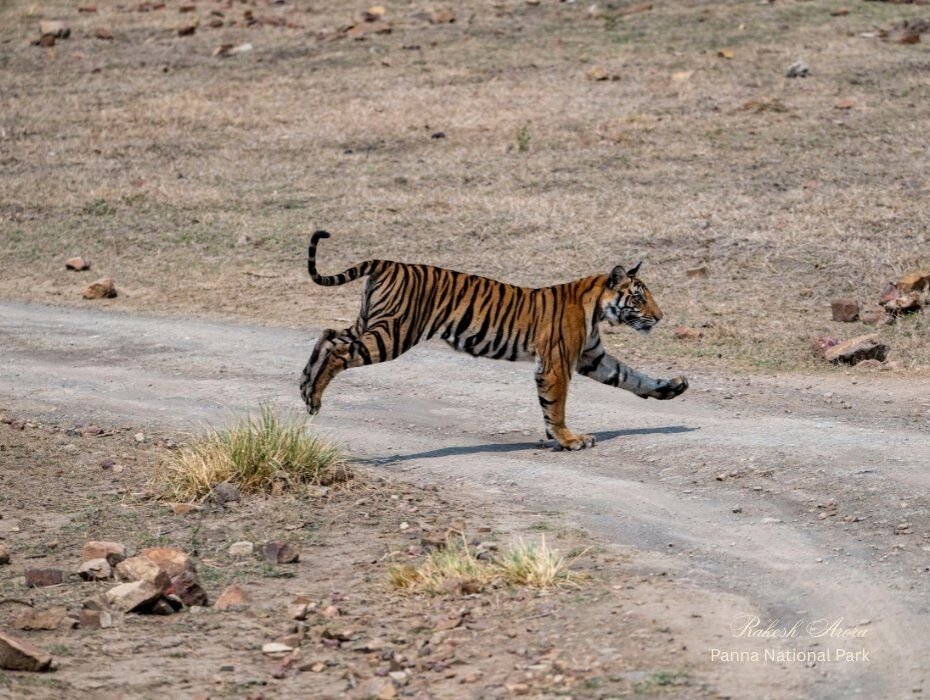
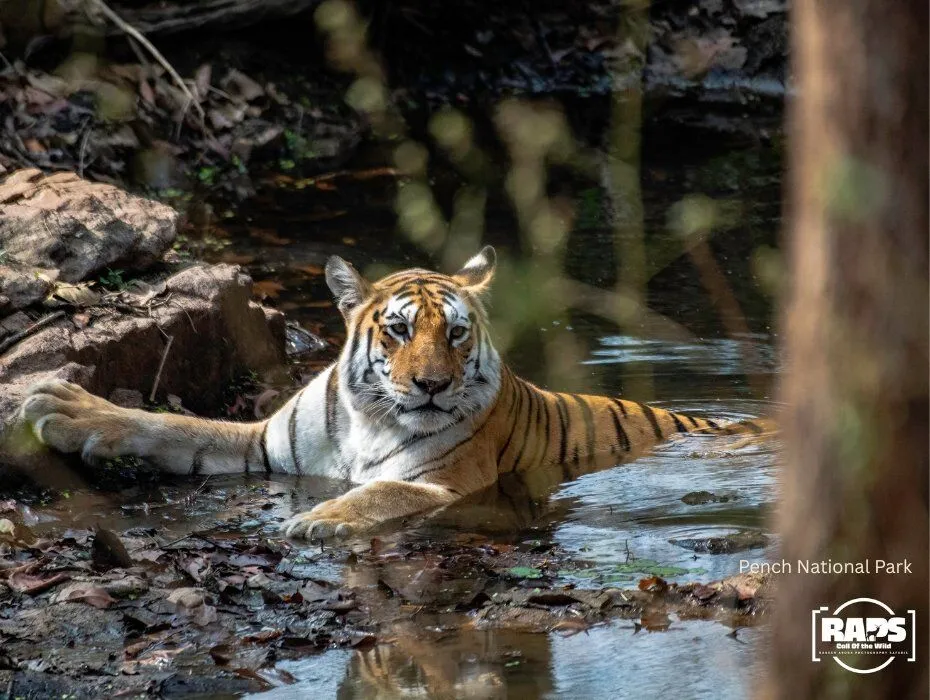
The tigress emerges from bamboo thicket at Telia Lake precisely 7:43 AM—Sonam, third-generation descendant of the legendary Maya, whose territorial claim over Moharli range continues matriarchal dynasty defining Tadoba as the land of the tiger. Our RAPS guide Prakash whispers: “She’ll cross toward water. Position left, 400mm, expect ten minutes.” He’s correct entirely. Sonam settles lakeside drinking methodically while morning light transforms teak forest behind her into amber backdrop. This precision—this convergence of intimate territorial knowledge, photographic positioning expertise, and that quiet confidence flowing from fifteen years tracking Tadoba’s 115+ tigers—explains why Australian photographers from Australia to India increasingly choose RAPS for Maharashtra’s tiger kingdom: sometimes the difference between hoping for encounters and systematically documenting apex predators involves selecting guides whose expertise transforms India’s highest tiger sighting probabilities (approaching 90 percent across 4-5 safaris) into guaranteed portfolio masterpieces through positioning mastery only decades’ dedication delivers.
Welcome to Tadoba Andhari Tiger Reserve—the “Jewel of Vidarbha” where RAPS transforms exceptional wildlife access into transformative photographic experiences specifically designed for discerning Australian travelers seeking more than mere sightings.
Understanding why Australian photographers choose Tadoba begins with recognizing statistical realities distinguishing this 1,727-square-kilometre reserve from India’s 50+ tiger parks. The 2024 camera trap survey documented over 115 individual tigers—highest recorded count in reserve history, representing tiger density of 7.18 per 100 square kilometres. This extraordinary population creates encounter mathematics favoring photographers: where Ranthambore might deliver 70-80 percent sighting rates, Tadoba consistently exceeds 90 percent across 4-5 safaris.
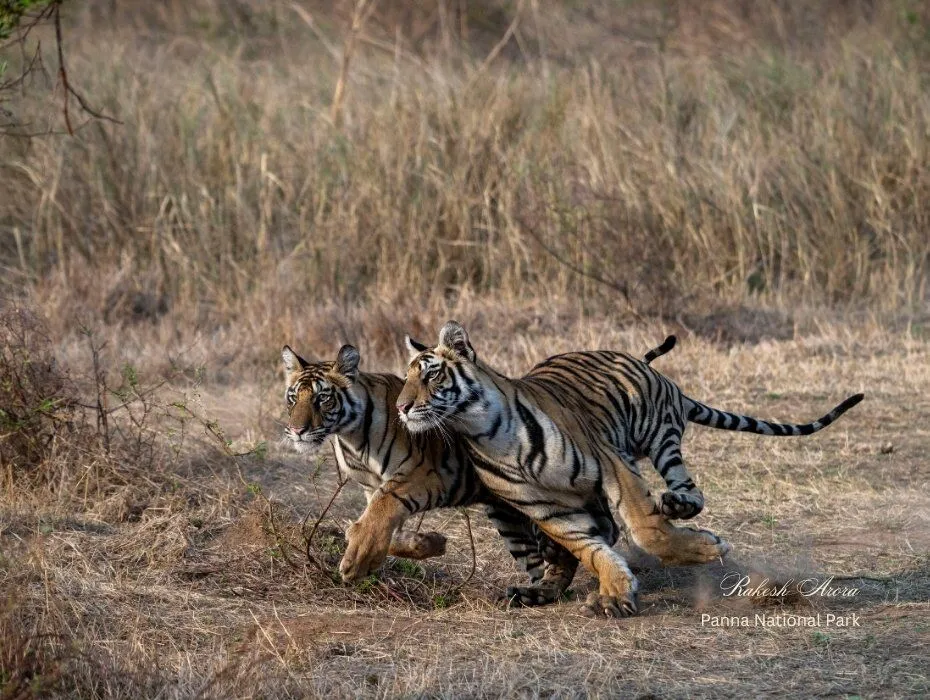
But numbers alone don’t explain Tadoba’s designation as land of the tiger. It’s behavioral habituation creating photographic accessibility rivaling anywhere globally. Tadoba’s tigers—descendants of Maya, Matkasur, Bajrang, and other legendary lineages—display diurnal activity unusual for wild populations. Unlike reserves where tigers retreat midday heat, Tadoba’s cats remain visible throughout mornings, crossing forest roads mid-afternoon, drinking at lakes during harsh daylight. This extended activity window transforms typical dawn/dusk restrictions into all-day photography opportunities.
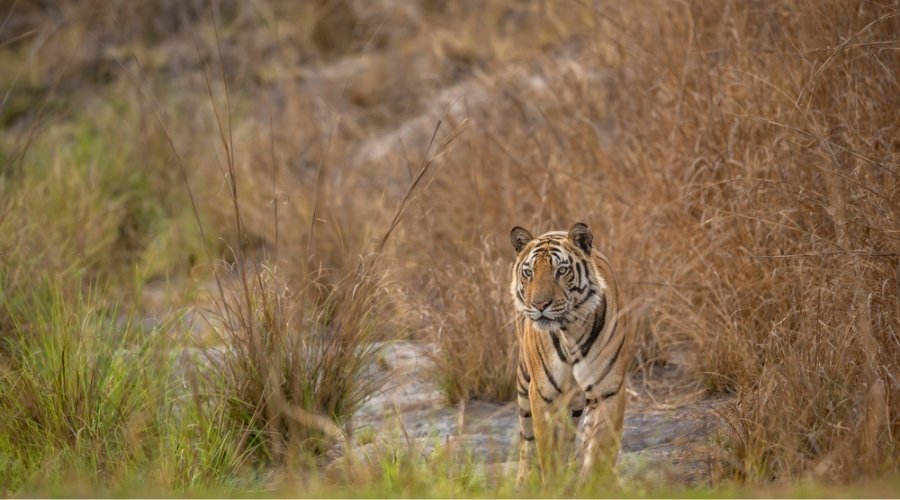
The landscape architecture amplifies advantages. Dry deciduous forest dominated by teak and bamboo creates relatively open structure where visibility exceeds dense sal forests characterizing Central India reserves. The grassland maidans—those distinctive clearings where Tadoba Lake and smaller water bodies create natural amphitheaters—provide unobstructed sightlines when tigers traverse between forest patches. For Australian photographers accustomed to Africa’s savannah accessibility, Tadoba delivers comparable openness within Indian context.
RAPS expertise capitalizes on these structural advantages. Our naturalists don’t merely know tigers occupy territories—they recognize individuals, track lineages across generations, and position cameras where specific tigers appear predictably rather than hoping random routes deliver encounters.
What distinguishes RAPS from generic Tadoba operators becomes apparent examining specific advantages we provide Australian photographers:
Territorial Intelligence: Our guide Prakash has tracked Tadoba across twelve seasons. He recognizes Sonam’s movement patterns inherited from mother Lara, knows Choti Tara utilizes specific bamboo thickets mid-morning, understands Matkasur’s territorial boundaries overlapping multiple zones. This generational knowledge—tracking families rather than random individuals—allows strategic positioning impossible for guides working seasonally or rotating reserves.
Photography-First Approach: Unlike naturalist guides prioritizing species identification or conservation education, RAPS personnel understand photographic imperatives: optimal light angles, compositional backgrounds, shutter speed requirements matching behavior. When Prakash positions jeeps “left, 400mm, expect ten minutes,” it’s because he’s calculating not merely where tigers will appear but where photographers can capture them with teak forest backgrounds, side-lighting revealing stripe detail, and sufficient working distance preventing disturbance while maintaining frame-filling power.
Australian Traveler Understanding: After fifteen years serving predominantly Australian clientele traveling from Australia to India, RAPS comprehends specific needs: jet lag management requiring flexible safari scheduling, dietary preferences accommodating through lodge coordination, communication styles valuing directness over deferential ambiguity, and expectations shaped by Africa safari experiences requiring contextualization within Indian reality.
Logistics Management: For Australians investing significant expense reaching Maharashtra, RAPS handles complexities allowing photography focus. We coordinate Nagpur airport transfers, secure optimal zone permits through forest department relationships, manage accommodation near multiple gates allowing zone flexibility, and maintain backup plans when weather or animal movements require adaptation.
The technical photography Tadoba enables proves exceptional. The “bold” tigers—animals habituated tolerating vehicle approaches fifteen-to-twenty metres—create opportunities impossible reserves maintaining aggressive displacement protocols. Tigers walking road centers, lounging at lake edges, even hunting within view transform abstract wildlife photography into genuine behavioral documentation.
The focal length considerations favor moderate reach. While 500-600mm lenses dominate many reserves, Tadoba’s open structure and close approach distances reward 300-400mm ranges capturing environmental context. Frame-filling portraits prove dramatic, but Tadoba’s aesthetic emerges through compositions showing tigers within teak-bamboo architecture rather than isolated against out-of-focus backgrounds.
The exposure challenges center on landscape brightness. Dry season grasslands create high-key backgrounds confusing camera meters programmed expecting mid-tone averages. RAPS training emphasizes manual exposure: spot-meter on tiger’s illuminated portions, slight underexposure maintaining highlight detail while accepting some shadow areas falling dark. This high-contrast aesthetic—bright backgrounds, rich tiger tones—characterizes best Tadoba imagery.
The buffer zones deliver unexpected excellence. While core zones (Moharli, Kolara, Navegaon) attract majority tourists, Tadoba’s fourteen buffer zones increasingly produce exceptional encounters with fraction of vehicle density. RAPS strategic approach balances core zone prestige against buffer zone productivity, allocating safaris optimizing sighting probability while minimizing crowding stress both photographers and wildlife experience during peak vehicle clustering.
Between dawn and afternoon safaris, Tadoba’s position within Vidarbha region introduces cultural restoration through cuisine testing spice tolerance limits. Saoji food—Maharashtra’s spiciest preparations originating with Halba Koshti weaver community—delivers intensity matching tiger encounters’ adrenaline.
Saoji Mutton Rassa represents signature dish: mutton slow-cooked in fiery gravy blending 32+ spices creating heat building progressively from warm complexity into genuine fire requiring jowar bhakri moderating intensity. These meals, consumed between photography sessions at Nagpur’s simple bhojanalayas or lodge dining rooms, become cultural education matching wildlife documentation.
For Australian photographers reaching Tadoba from Australia, logistics flow through Nagpur—140 kilometres distant, two-to-three hours’ drive. Nagpur’s international airport receives excellent connectivity from Delhi, Mumbai, Bangalore where most Australian arrivals connect.
Tadoba operates October through June with core zones closing July-September monsoon. October-November delivers post-monsoon lushness. December-February provides moderate temperatures (10-28°C). March-June sees climbing heat (approaching 47°C) but delivers absolute peak sighting probabilities as summer stress drives tigers toward water sources.
RAPS coordinates comprehensive experiences: securing competitive online permits through mytadoba.mahaforest.gov.in, booking optimal zones based on recent sighting data, arranging accommodations near multiple gates, and providing naturalists whose expertise transforms three-day visits into concentrated documentation of the land where tigers reign absolutely.
Ultimately, Australian photographers choose RAPS for Tadoba because fifteen years serving predominantly Australian clientele created expertise specifically addressing needs travelers from Australia to India express: reliability over improvisation, photographic focus over generic tourism, territorial knowledge over seasonal guiding, and that quiet confidence allowing Australians enjoying wildlife encounters knowing logistics, positioning, and timing receive expert management while they concentrate on capturing tigers inhabiting the land where apex predators don’t merely survive but genuinely thrive.
When Sonam finally retreats into bamboo, when memory cards document not merely tiger presence but behavioral sequences revealing personality, territory, and that ineffable quality separating anonymous orange forms from individual animals whose stories RAPS tracks across generations—you understand why Australians increasingly bypass crowded circuits for Tadoba accessed through guides whose mastery matches the tigers’ magnificence. The land waits. The tigers rule absolutely. And RAPS continues curating encounters for those recognizing that sometimes the best safaris involve not famous parks but emerging destinations where conservation success creates encounter probabilities approaching certainty, where Australian expectations meet Indian reality through guides bridging cultures professionally, and where the tiger capital delivers exactly what photographers traveling from Australia seek: guaranteed magnificence documented through expertise only decades dedication provides.