April 14, 2026
The jeep stops. The engine cuts. And the sal forest of Sanjay Dubri settles around you in a silence so complete it feels deliberate.
No other vehicles. No distant engine sounds. No voices carrying from a nearby safari camp. Just the slow creak of ancient sal trees, the call of a crested serpent eagle somewhere above the canopy, and the kind of stillness that only exists in a forest that the tourist circuit has not yet fully discovered.
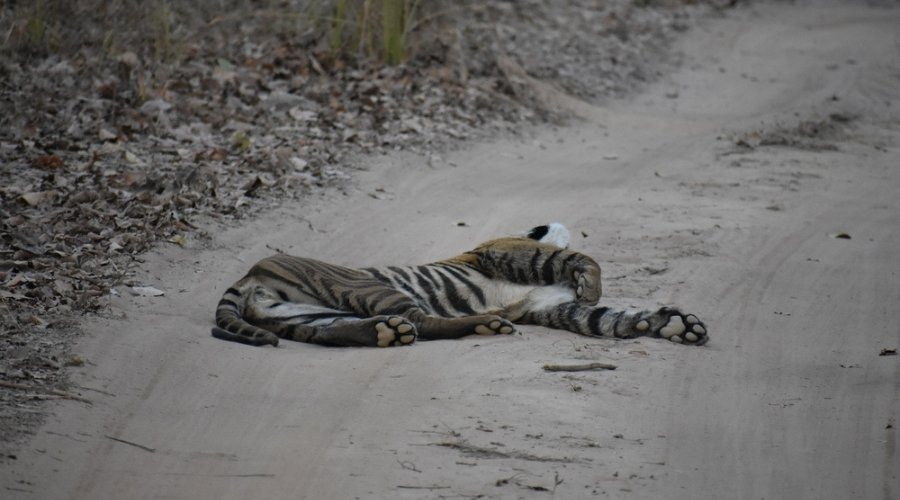
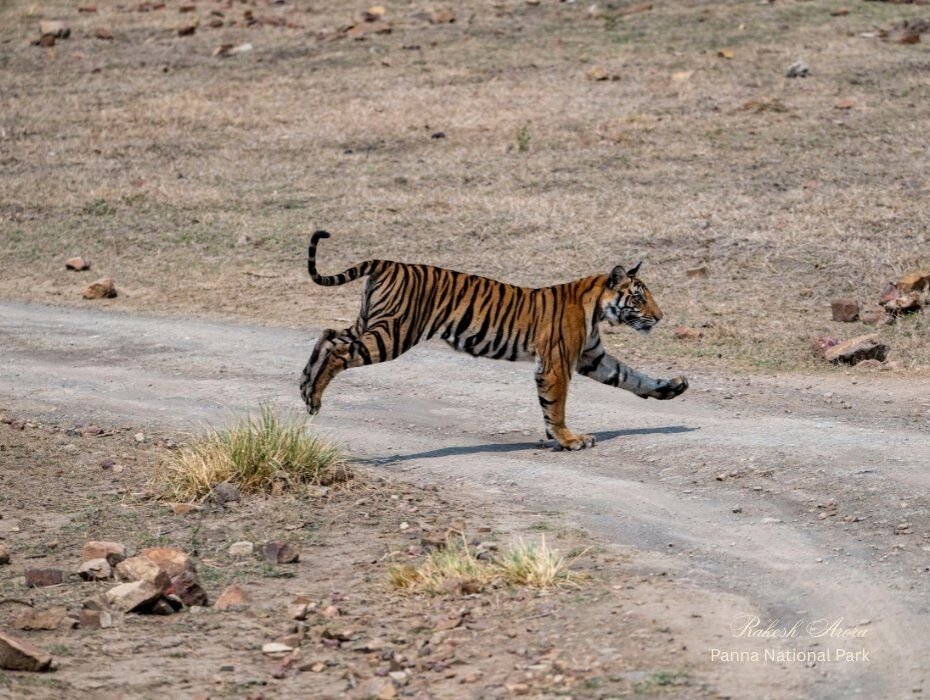
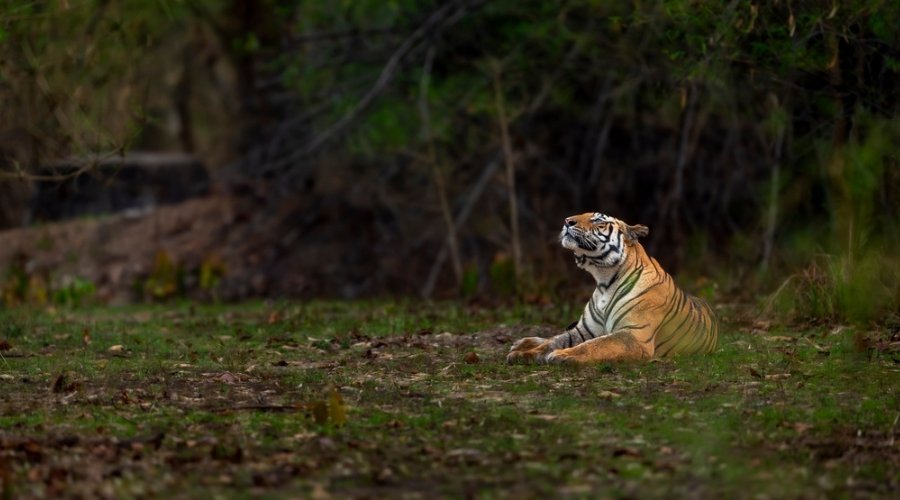
Your naturalist points to the soft mud at the edge of the track. A pugmark. Large, fresh, pressed deep enough that the edges are still sharp. Made within the last thirty minutes. A tiger was here — unhurried, moving through its territory in the dense sal corridor that connects two of India’s great tiger reserves — and it may still be close.
This is Sanjay Dubri tiger reserve safari. And for Australian wildlife travellers willing to venture beyond the well-known parks, it offers something that Bandhavgarh and Kanha, for all their extraordinary qualities, can no longer provide — the feeling of true wilderness.
Tucked into the northeastern corner of Madhya Pradesh, where the Gopad and Banas rivers carve through dense sal forest before draining into the Son, Sanjay-Dubri Tiger Reserve covers 1,674 square kilometres of some of the most pristine and least visited wildlife habitat in central India.
It is a park that most Indian wildlife travellers have never heard of. International visitors — especially those from Australia — rarely appear on its booking lists at all. And that obscurity is, paradoxically, precisely what makes it extraordinary.
In the overcrowded tiger parks of central India, animals have learned to associate the sound of a jeep engine with the approach of humans. They move away. They hide. Sightings happen, but they are often brief, often distant, often shared with a dozen other vehicles competing for position. At Sanjay Dubri, that dynamic is reversed. The park’s five zones — Dubri, Giddha, Bastua, Machmahua, and Koilari — receive a fraction of the visitor numbers that Bandhavgarh handles on a single morning. Wildlife here has not been conditioned to retreat from vehicles. Encounters happen at close range, in natural behaviour, without the competitive distraction of a crowd.
The reserve also carries a remarkable historical distinction. In 1951, in the forests of what is now Sanjay Dubri, the Maharaja of Rewa captured a wild white tiger cub — the legendary Mohan, whose captive breeding programme produced virtually every white tiger living in captivity anywhere in the world today. The forest that gave the world white tigers is still producing extraordinary encounters — now, as then, for those patient enough to seek them out.
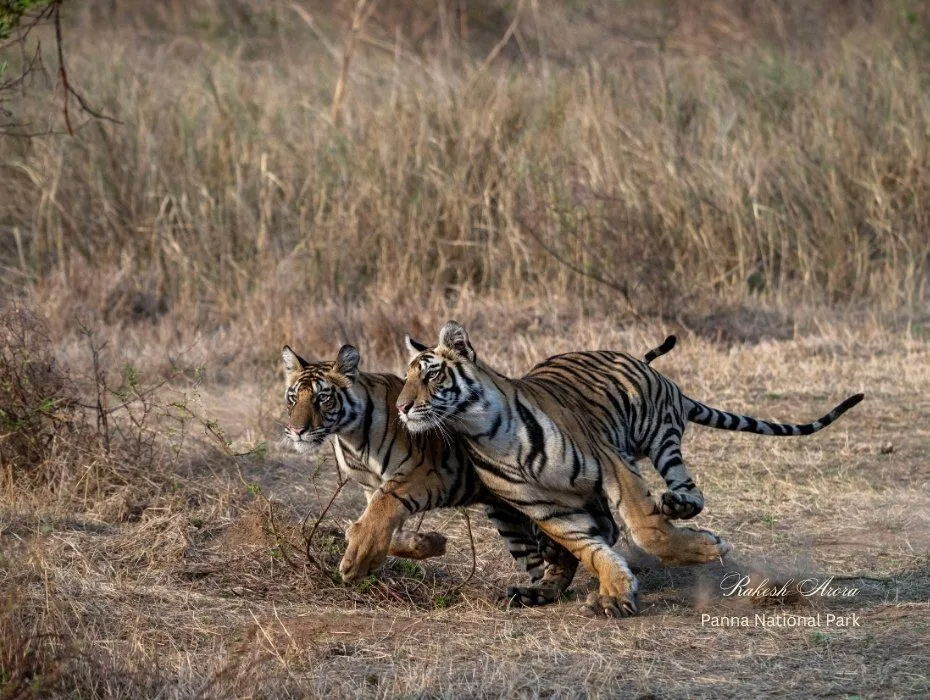
The tiger population at Sanjay Dubri has grown significantly in recent years — from six individuals recorded in 2018 to 41 tigers in the July 2023 census. That growth reflects both improved protection and the park’s critical role as a wildlife corridor connecting Bandhavgarh Tiger Reserve in Madhya Pradesh with Palamau Tiger Reserve in Jharkhand. Tigers move freely through this sal forest between protected areas, and understanding that movement — tracking individuals as they patrol corridor territories rather than confined zones — changes the nature of every safari encounter.
A tiger seen at Sanjay Dubri is not simply a tiger sighted. It is an animal that may have been moving through 50 kilometres of continuous forest over the past week, carrying the genetic diversity of two major reserve populations. The corridor itself is the conservation story.
The sloth bear, however, is the animal that surprises visitors most.
Most wildlife travellers from Australia arrive at Sanjay Dubri focused entirely on tigers. The sloth bear is an afterthought — a secondary species on a checklist. Within twenty-four hours, that hierarchy typically reverses itself entirely.
The sloth bear is one of India’s most visually extraordinary mammals — shaggy-coated, loose-limbed, moving through the forest with a lumbering confidence that belies genuine strength. Its face is remarkable: a long, mobile snout adapted for sucking termites from mounds, pale lips, and small, intelligent eyes that carry an expression of perpetual mild indignation. At evening safaris in Sanjay Dubri, sloth bears are regularly encountered foraging — digging at termite mounds, investigating fallen logs, occasionally standing upright to assess a scent on the air in a posture that reads, from a distance, with startling human quality.
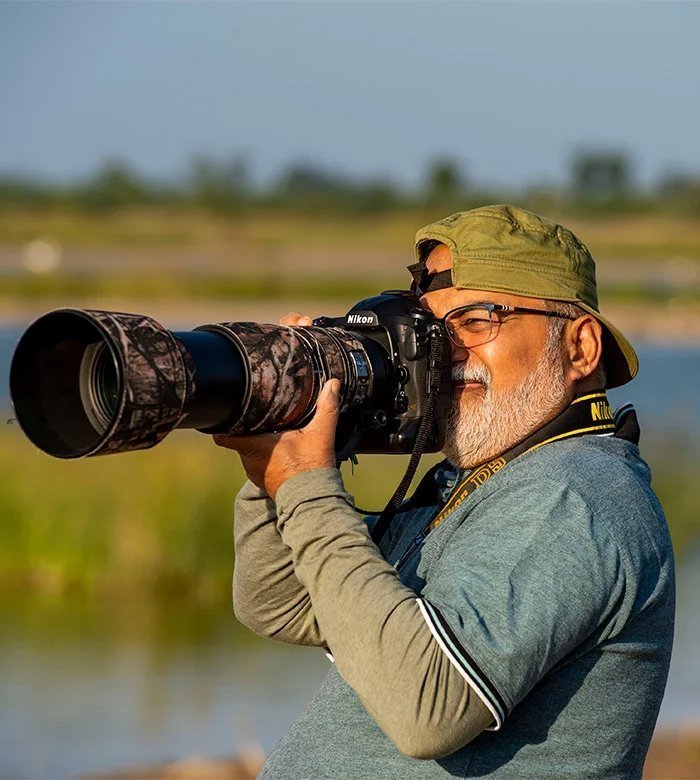
According to Rakesh Arora, our field expert and RAP Safaris founder, the sloth bear encounter is one of the most underrated wildlife photography experiences in central India. Unlike tigers, which move quickly and rarely remain in open ground for extended periods, a foraging sloth bear provides sustained photographic access — sometimes twenty minutes or more of natural behaviour in good evening light. The textures of its coat, the expressiveness of its face, and the drama of its digging posture produce images that consistently surprise even experienced wildlife photographers who expected to be most excited about the tiger.
The sal forest of Sanjay Dubri has a quality that is difficult to describe until you are inside it.
Sal — Shorea robusta — is one of India’s most magnificent trees. It grows tall and straight, its canopy forming a high, dense ceiling that filters light in long, dusty shafts at dawn and dusk. The forest floor is relatively open beneath it — clear sight lines, no impenetrable undergrowth, a visual space that allows wildlife encounters to develop over distance rather than appearing and disappearing in seconds. Walking or driving through dense sal forest at golden hour, with light shafts cutting between trunks and falling across the track ahead, is one of the most atmospherically beautiful experiences India’s central forests offer.
For wildlife photographers, the combination of uncrowded conditions, clear sight lines, and extraordinary light quality creates a working environment that most of the famous parks cannot provide. No competing vehicles. No rushed repositioning. No crowd noise disturbing the subject’s natural behaviour. Just the forest, the light, the animal, and the frame.
Solo travellers and female-friendly small group expeditions with RAP Safaris are designed specifically around this kind of extended, unhurried encounter — where the value of an experience is measured in quality of presence rather than number of species ticked.
The landscape surrounding Sanjay Dubri carries a cultural richness that most wildlife itineraries drive straight past — and a RAP Safaris expedition is designed to ensure that nothing of significance is missed.
The region’s tribal communities — primarily Baiga and Gond peoples who have inhabited these forests for centuries — maintain a relationship with the landscape that predates every conservation designation by generations. Their knowledge of animal behaviour, seasonal patterns, and forest rhythms is intimate and practical in ways that complement formal naturalist training rather than duplicating it. The weekly tribal haat market at Chamrdadol, just five kilometres from the park’s main gate, offers an extraordinary window into this living culture — hand-woven fabrics, forest produce, and the unhurried commerce of a community that has always understood the forest as home rather than resource.
The Son Gharial Sanctuary, which forms part of the broader Sanjay Dubri landscape, adds a further dimension entirely. Critically endangered gharials — long-snouted, fish-eating crocodilians with fewer than 1,000 individuals remaining in the wild — breed in the Son River here, one of the few places in central India where their recovery is genuinely underway. Walking barefoot on the Banas River sand flats in the late afternoon, watching gharials rest on exposed sandbanks in the low sun, is one of those quietly extraordinary wildlife experiences that appear in no guidebook and cost nothing at all.
Flying from Australia to Sanjay Dubri requires one connecting flight after landing in India. The most practical routing connects Sydney or Melbourne to Mumbai or Delhi, with onward domestic flights to Jabalpur or Varanasi — both approximately four hours by road from the park’s main Badkadol gate. Khajuraho, with its extraordinary 10th-century temple complex, is 260 kilometres away and adds an effortless cultural dimension to any Sanjay Dubri itinerary.
November through April is the prime wildlife window. Sloth bear activity peaks between February and April as the bears move extensively before summer heat arrives. Tiger sightings are consistent throughout the season, with March and April offering thinner vegetation and better visibility around waterholes. The sal forest is at its most photogenic from November through February — cool mornings, golden afternoon light, and a forest atmosphere that rewards every hour spent inside it.
Sanjay Dubri combines naturally with Bandhavgarh Tiger Reserve — just 110 kilometres north — creating a central India itinerary that moves between India’s most famous tiger park and its most extraordinary hidden one. The contrast between the two experiences is, for travellers from Australia who have made the journey specifically to understand what India’s forests really are, one of the most illuminating things this circuit offers.
The sal corridor is patient. The tigers are already moving through it. The only question is whether you are there — quietly, in the right hands — when the forest chooses to reveal them.
Best time to visit Sanjay Dubri for tiger sightings?
November to April — clear visibility, active wildlife, golden sal light.
Are sloth bear sightings reliable at Sanjay Dubri?
Yes — evening safaris in February to April offer consistent bear encounters.
Why is Sanjay Dubri less crowded than other tiger reserves?
It remains largely undiscovered — fewer visitors mean wilder encounters.
What is the significance of the wildlife corridor in Sanjay Dubri?
It links Bandhavgarh and Palamau — tigers move freely between both reserves.
How do Australians reach the Sanjay Dubri Tiger Reserve?
Fly to Jabalpur or Varanasi, then drive approximately four hours to the park.