February 20, 2026
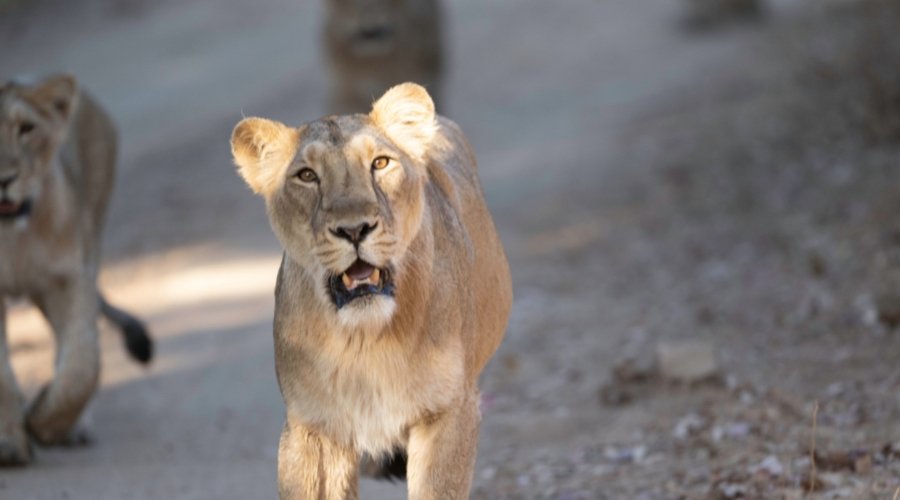
Many years ago, the Asiatic Lion was almost on the verge of extinction in India. Its roar was on the verge of vanishing from our globe. Today, it roams freely once again in the forests of Gir. This shows how India revived the legacy of the Asiatic Lion. It saved not just a species, but a whole ecosystem. The revival of our King Lion is a significant wildlife recovery story in modern history.
Lions are known not only for majestic hunting but also for maintaining balance within the ecosystem. When these lions prosper, biodiversity follows.
At the beginning of the 20th century, the population of the Asiatic lions began to diminish. The reasons were quite clear – brutal hunting of lions, destruction of their habitat, expansion of human settlement, and so on. Their numbers were reduced to around 18-20. Gir Forest in Gujarat became its last sanctuary. India recognised this urgency, and what followed was one of the world’s most remarkable conservation efforts.
India revived lions through a combination of effective legislation, habitat restoration techniques, scientific monitoring, and involvement from local communities for support. There are very few countries with such success stories based on working with highly endangered species.
The population of Asiatic Lions has now grown to over 600 individuals and continues to thrive not only in Gir but also in proximity. The successful revival of the Asiatic Lions back into the Indian Population has not been by accident; rather, it represents an investment in the conservation efforts of the Asiatic Lion.
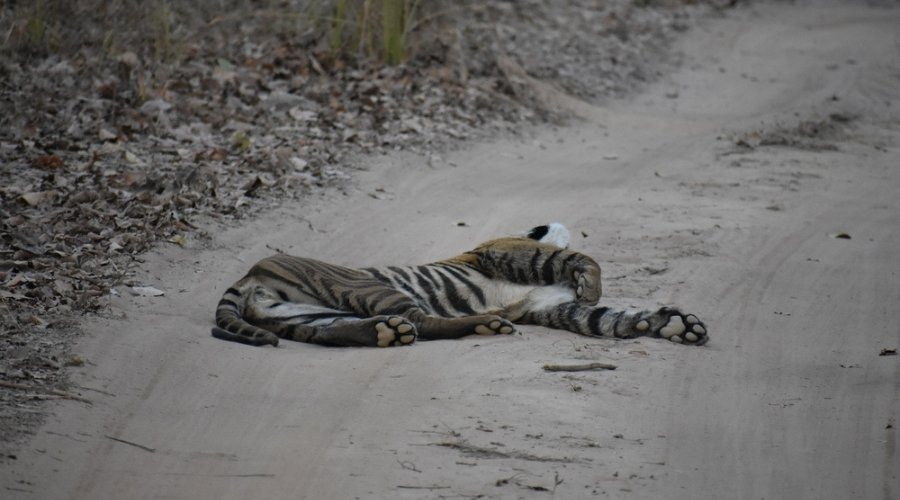
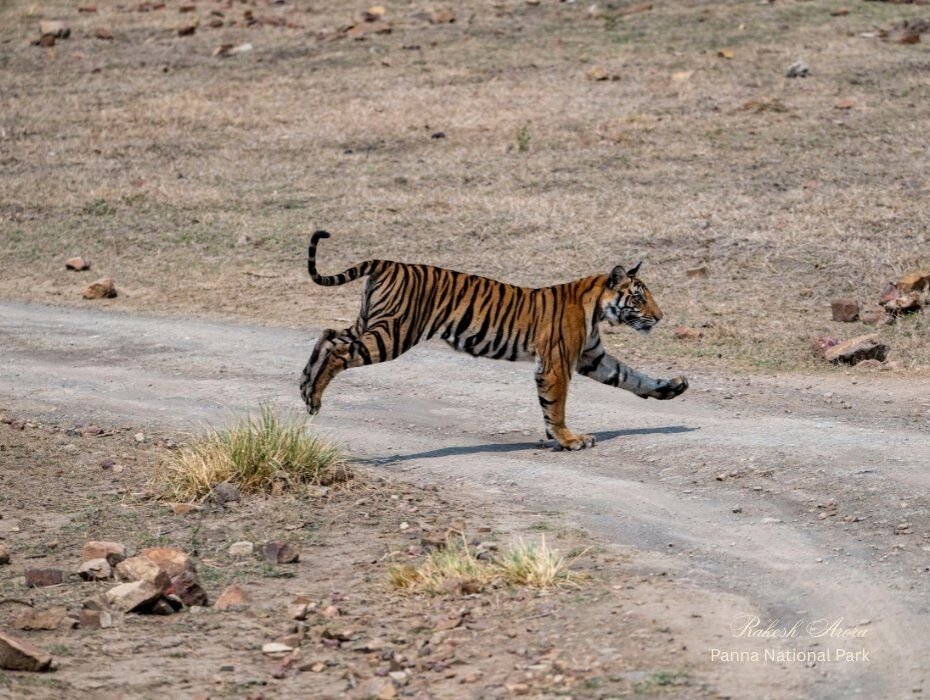
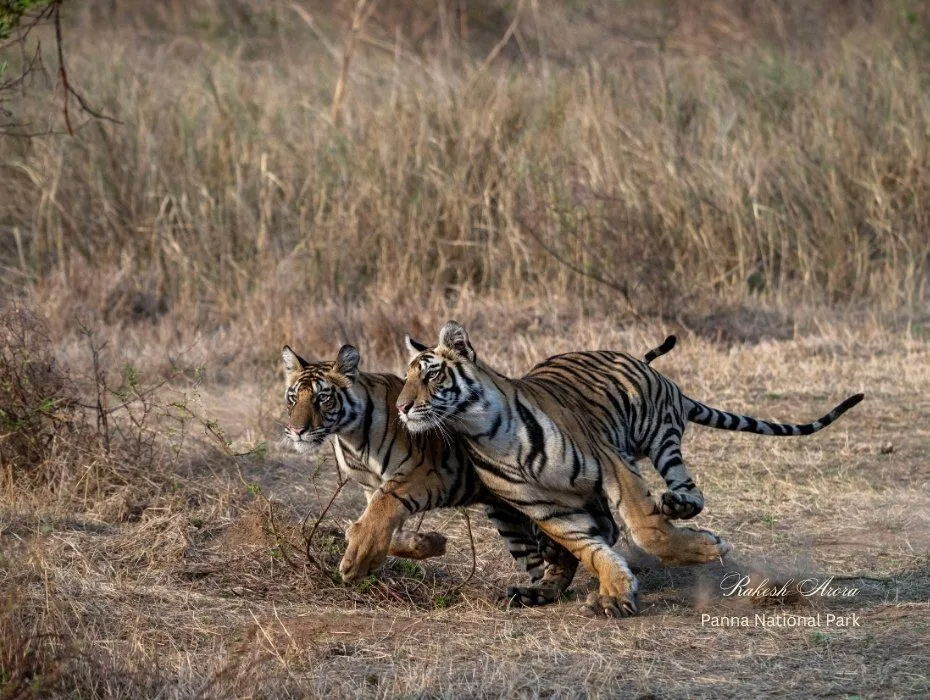
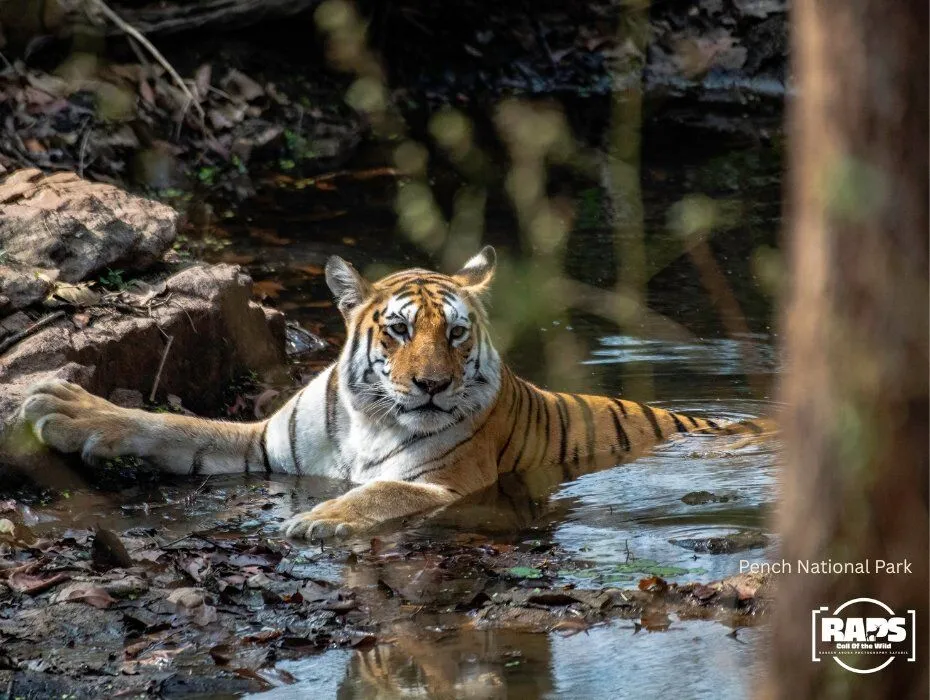
The success of the Asiatic lion’s recovery brings forth a similar story – the revival of the tiger. The population of the tiger was also reducing at an alarming rate. Through Project Tiger, India revived the tiger, creating reserves to increase its population. Thus, India brought back the tiger from near extinction to a prominent species on Earth. The Project Lion also follows the same model to safeguard the majestic predator species. Together, both these projects have demonstrated India’s Wildlife Conservation efforts.
What makes this story truly remarkable, though, is the involvement of the locals. The people of the Gir Forests, especially the Maldharis, have been the main reason for the lion’s resurrection. These people took up the role of the custodians of the land and adapted themselves so as to co-exist with the lions. However, the results of scientists, forest officers, veterinarians, and locals coming together prove that conservation can happen when the locals are included in the process rather than being ignored.
The ecotourism component has also been important. Travelling responsibly increased livelihoods, decreased conflict, and made wildlife protection a common objective. Today, tourists strolling through Gir Forest are seeing a unique balance between nature and humanity.
Many Australians respect and care for wildlife and also support conservation efforts. Just as Australia has developed extensive efforts to protect its unique species from extinction, India’s efforts to bring back the Asiatic lion are very popular with Australians who like conservation- driven travel. This is a unique experience that gives visitors to Australia who are passionate about conservation the ability to see success in an ecosystem rather than witnessing an ecosystem’s collapse. It gives visitors to Gir Forest National Park in India the opportunity to see how tourism supports the protection of wildlife and benefits local communities.
Travel with RAP Safaris under expert guides to learn the conservation efforts, meet the locals, and to understand how tourism supports the continued protection of the Asiatic lion and all of its natural habitat.
India didn’t just save a species. India revived a King!